
Quebec Court Says Province Violated Charter Rights by Cancelling Pro-Life Christian Conference
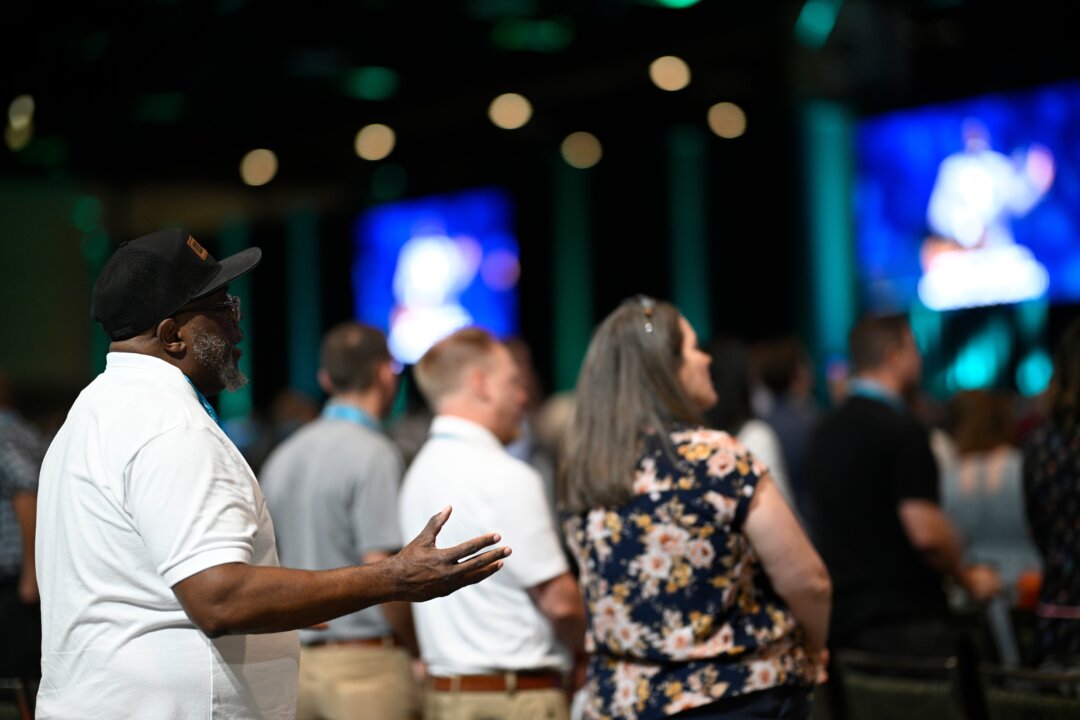
Quebec’s Superior Court has ruled that the provincial government violated the Canadian Charter of Rights and Freedoms by directing a publicly-owned convention center to cancel a scheduled Christian conference over its pro-life views.The conference at the Quebec City Convention Centre entitled “Faith, Freedom, Fire” had been slated to run June 23 to July 2, 2023, but was cancelled after then-tourism minister Caroline Proulx said statements on the website of organizer Harvest Ministries International were “anti-abortion” and that the group should therefore not allowed to hold a conference.In a ruling announced on July 31, Quebec Superior Court held that Proulx lacked the legal authority to direct the cancellation of the conference and had unlawfully denied Harvest Ministries access to the publicly owned venue because the government disagreed with the organization’s beliefs about abortion.The ruling held that Proulx’s direction was not justified and curtailed the organizations protected freedoms of association, religious belief and free expression. The court also ordered Proulx to personally pay $30,000 in punitive damages to Harvest Ministries due to their finding that she had intentionally infringed on their freedom of expression.Proulx is still a member of Quebec’s legislature with the Coalition Avenir Québec, a Quebec nationalist party and has served as parliamentary assistant to the province’s minister responsible for the status of women since April 29 of this year.Constitutional lawyer Olivier Séguin, who represented Harvest Ministries in the litigation and at trial, said the superior court’s ruling was correct and proves that Proulx acted “without legal authority” in ordering the convention centre to cancel the conference.“This judgment confirmed that governments cannot use public facilities to punish organizations because officials disagree with their beliefs,” Séguin said in a July 31 release from the Justice Centre for Constitutional Freedoms (JCCF).“The Court rightly found that the Minister acted without legal authority and violated fundamental freedoms guaranteed by the Charter.”At trial, Séguin argued that governments can’t bar organizations from publicly-owned facilities due to disagreement with their lawfully-held beliefs, relying partly on precedent established by the Supreme Court of Canada’s 1959 decision in Roncarelli v. Duplessis, which set strict limits on the use of discretionary government power, including when used to punish individuals for their religious associations.The 1959 decision held that former Quebec premier Maurice Duplessis had broken the law by ordering the cancellation of restaurant owner Frank Roncarelli’s liquor licence due to Roncarelli having helped pay bail for Jehovah’s Witnesses who had been arrested while handing out religious pamphlets.Séguin added that if the Harvest Ministries case hadn’t been challenged it could have set a dangerous precedent that infringed on religious liberty.“Had this case not been challenged, governments across Canada would have been encouraged to deny access to public facilities whenever they disagreed with an organization’s beliefs,” he said. “Today’s judgment reaffirmed that public officials are bound by the Charter and cannot use state power to silence lawful viewpoints.”BackgroundThe program for Harvest’s planned “Faith, Freedom, Fire” event was focused on Christian worship, music and seeking a stronger bond between Canada’s English and French-speaking population and did not include any scheduled discussions or presentations on abortion.However, Proulx’s opposition and direction to the convention centre to cancel the event was supported by then-premier François Legault who said the province would not permit “anti-abortion groups to put on big shows in public spaces.”During trial testimony in February of this year, Proulx defended her decision to cancel the event, saying that she would make “exactly the same decisions, with just as little hesitation” in the future, arguing that pro-life statements on Harvest’s website amounted to disinformation and were against Quebec’s pro-choice stance.Harvest Ministries founder and pastor Art Lucier testified at trial that the conference was not focused on abortion and called the cancellation “heartbreaking,” adding that participants planning to come had already purchased flights and that Harvest reached out to roughly 50 alternative venues with no luck.In June of 2024, the Catholic Register reported that Harvest had turned down a $100,000 settlement offer from the Quebec government because the government wouldn’t acknowledge to having violated its Charter rights. Séguin emphasized that the case was mainly about establishing case law and the principle of the matter rather than obtaining compensation.The Epoch Times contacted the office of the attorney general of Quebec but didn’t hear back by publication time.








Chinese Scientists Flagged Glacial Flood Danger One Year Before Nepal Catastrophe
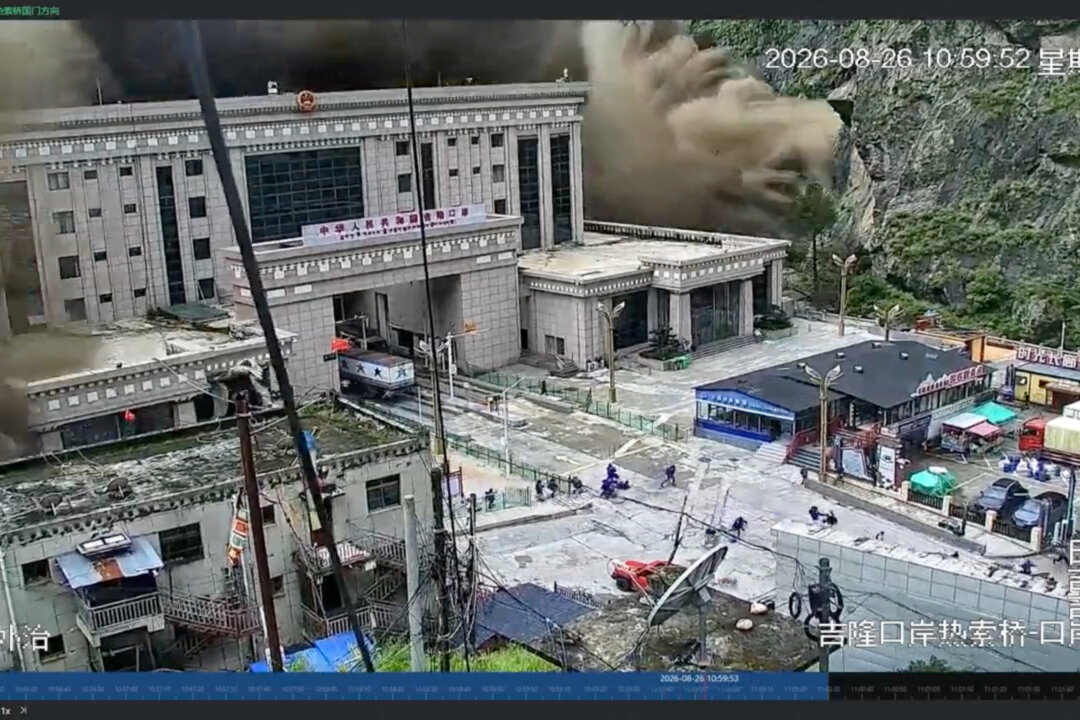
More than a year before the catastrophic flash flood devastated the China–Nepal...
Iceland Focuses on Security Partnerships After Voters Reject Opening EU Membership Talks
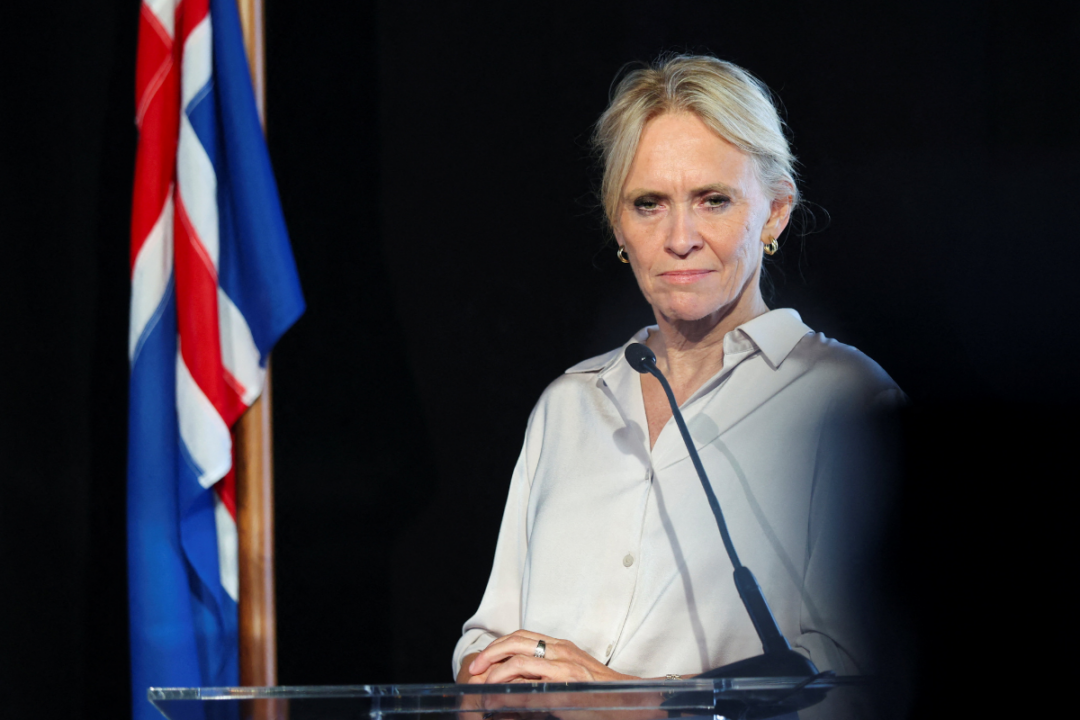
Icelandic Minister for Foreign Affairs Thorgerdur Katrin Gunnarsdottir attends a press conference...
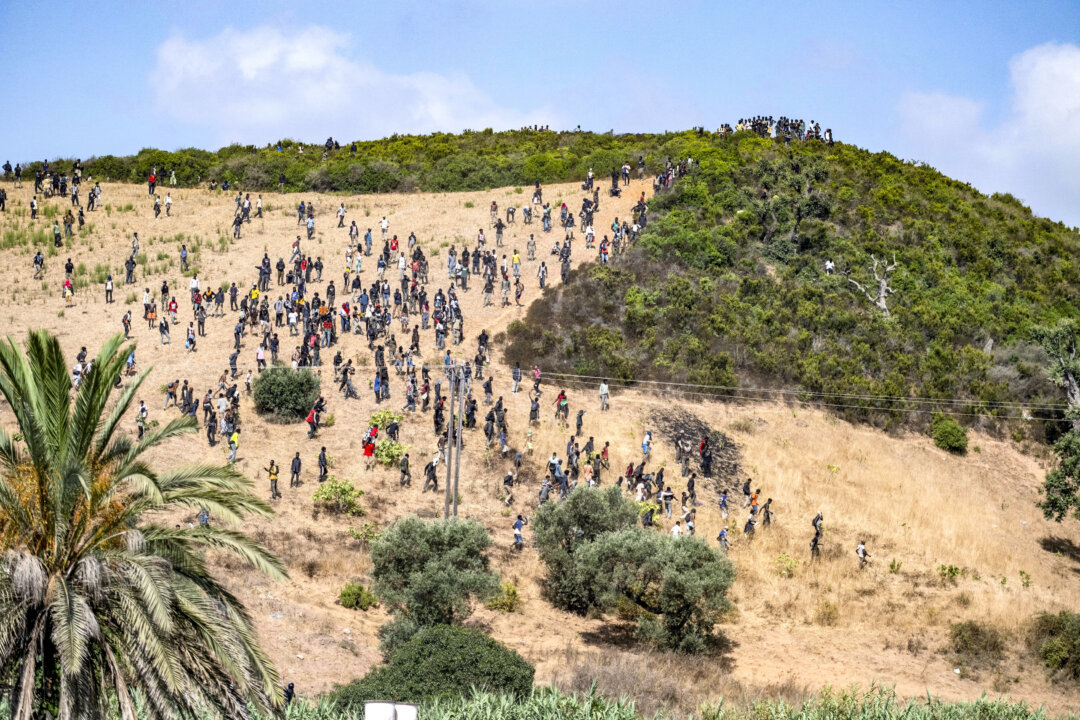
Italy, Spain Extend Tit-for-Tat Border Curbs After Ceuta Illegal Immigrant Crisis
Immigrants gather on a hill as they attempt crossing from the border...



Vaccine Maker Halts Trial on mRNA Cancer Shot
A pharmacist administers the Pfizer-BioNTech vaccine in Los Angeles, Calif., on October...
