Dairy company Fairlife LLC, owned by the Coca-Cola Company, suffered a cyberattack and has ceased its U.S. operations.A portion of Fairlife’s systems was accessed by a third party, “including its production-related systems, in connection with a ransomware event,” Coca-Cola said in a July 16 statement. “After detecting the issue, the company promptly activated its incident response and business continuity protocols,” it said.Although product quality and safety were not affected, production operations at Fairlife have been temporarily suspended, with the company clarifying that its Canadian operations are operating as usual.An investigation and assessment regarding the impact of the cyberattack is underway, with outside experts involved in the probe. The full scope and impacts of the attack “are not yet known,” Coca-Cola said, adding that law enforcement authorities have been informed about the incident.Chicago-based Fairlife is a nutrition company with more than $3 billion in annual sales. The company offers lactose-free dairy products, including ultra-filtered milk and protein shakes.According to a February report from nonprofit organization Information Technology-Information Sharing and Analysis Center (IT-ISAC), ransomware attacks last year were “highly concentrated” against companies located in the United States.In 2025, 48 percent of ransomware attacks against IT companies targeted U.S.-based entities. Second-placed Germany accounted for a far lower 5.2 percent of the attacks.“The U.S. is also the world’s largest economy, housing many high-value corporations and critical infrastructure components. Thus, it is a prime target for ransomware operators who seek to enrich themselves and create chaos,” the nonprofit said in the report.Globally, the critical manufacturing sector faced the highest number of attacks, accounting for 22.7 percent of such incidents. This was followed by commercial facilities, IT, healthcare and public health, financial services, and legal sectors.The U.S. government is taking action to tackle cyber threats. On June 2, President Donald Trump signed an executive order titled “Promoting Advanced Artificial Intelligence Innovation and Security.”U.S. President Donald Trump signs an executive order during an event in the Oval Office of the White House on June 3, 2026. Kevin Dietsch/Getty ImagesThe order directed the establishment and expansion of federal programs and cybersecurity services that result in enhancing AI-enabled defensive tools. It called for prioritizing the cyber defense of information systems under the federal government to protect the country’s vital functions.Trump clarified in the order that Washington will work collaboratively with the private sector to harden government and private sector information systems against external threats.In a July 14 statement, the White House announced the launch of the Golden Eagle initiative. The Golden Eagle operational model for cyber defense will leverage frontier AI capabilities to deliver “prioritized and actionable threat and remediation information” to government and private sector entities, according to the statement.The model is a “force multiplier” that enables the government and industry to identify cyber risks, prioritize actions to secure systems, and strengthen the resilience of systems that power national security and the economy.“Under President Trump’s leadership, the Treasury Department is working hand in hand with the private sector to safeguard our financial institutions, close vulnerabilities, and protect the integrity of the U.S. financial system,” Secretary of the Treasury Scott Bessent said in the statement.“Treasury, along with our partner agencies, will continue to harness frontier AI capabilities to stay ahead of our adversaries and defend the American people from emerging threats.”

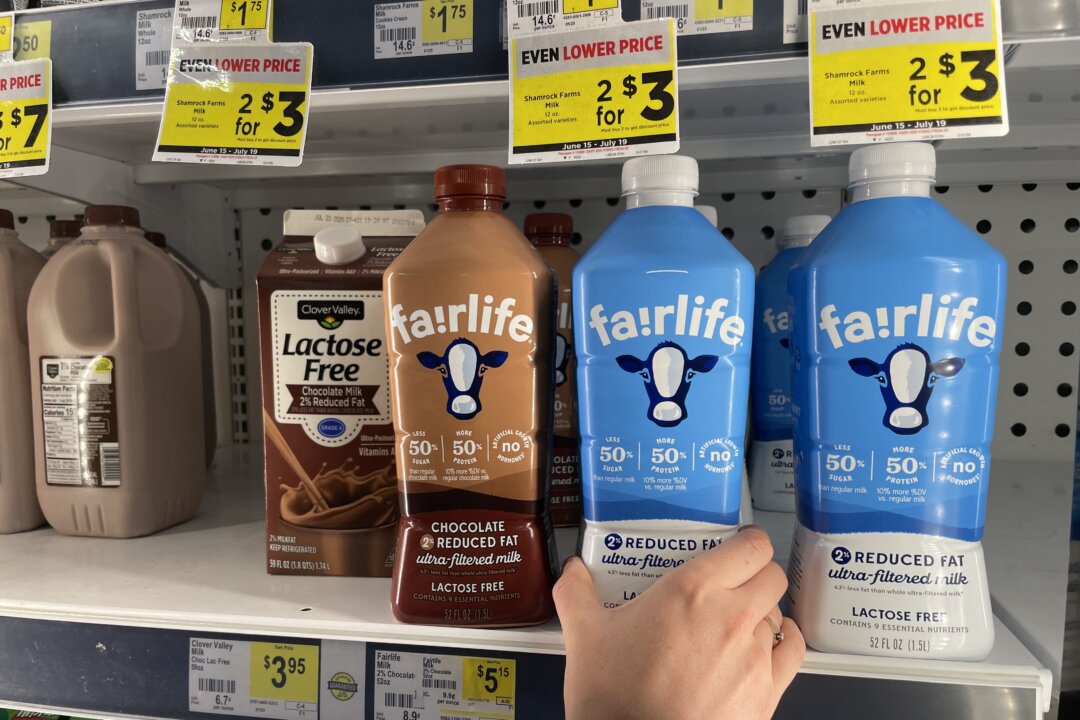
Coca-Cola Suspends Fairlife Milk Production After Hacking Incident








Related Articles
BusinessCompaniesEnergy
EQT to Buy Range Resources, Creating Largest US Natural Gas Producer
EQT Corp. has agreed to acquire rival Appalachian shale driller Range Resources...
BrightBusinessInvestingPersonal FinanceStocks
Wall Street Is Very NervousShould You Worry? Can You Repair Your Losses?
On Oct. 23, the Dow Jones Industrial Average fell 652.82 points, or...

BusinessMarkets
Nearly 3 in 10 New-Car Trade-Ins Are Underwater, Edmunds Finds
Almost three in 10 vehicles traded toward a new car are worth...



Asia & PacificChina NewsEuropeInternational RelationsNational SecurityPolicies & ImpactsUSUS NewsUS-China RelationsWorld News
Japan Defense Academy Chief Calls for 3 Red Lines in Competition With China
Japan’s former top uniformed military officer has called for establishing three “red...
