Producer prices unexpectedly declined in June, driven primarily by a sharp drop in energy costs, the government said on July 15.The producer price index—a measure of prices paid for goods and services by U.S. firms—fell by 0.3 percent, from the downwardly revised 0.6 percent jump in May, according to the Bureau of Labor Statistics.Economists had penciled in a flat reading.Nearly all of June’s drop is due to a 1.4 percent decline in goods inflation, the largest decrease since July 2022. A majority of the decline can be traced to falling gasoline, diesel, jet fuel, and crude petroleum prices.The services index, meanwhile, jumped by 0.2 percent after sliding by 0.1 percent in May. Almost two-thirds can be traced to trade services.On a 12-month basis, wholesale inflation slowed to 5.5 percent, lower than expected.Inflation has been accelerating since the start of the war in Iran in late February. The data have shown that much of the increase has been centered on energy, leaving underlying inflation trends tamer.Core producer prices, which omit volatile energy and food categories, edged up at a smaller-than-expected pace of 0.2 percent. This is up from the downwardly adjusted 0.1 percent in the previous month.In the 12 months ending in June, core producer inflation ticked up to 4.7 percent—also below economists’ expectations.Excluding food, energy, and trade, the producer price index was little changed last month.This comes one day after the bureau reported that consumer inflation eased significantly in June, again fueled by stabilization in global energy markets.What comes next for inflation is unclear, says Bill Adams, chief U.S. economist at Fifth Third Commercial Bank.“The outlook for inflation in July is less promising. Gas prices have jumped since the re-escalation of the Iran conflict last week. [West Texas Intermediate] crude is back over $80 today for the first time in a month,” Adams said in a note emailed to The Epoch Times.Updates to the Cleveland Federal Reserve’s Inflation Nowcasting model suggest monthly consumer prices could dip by 0.1 percent and the annual rate could ease to 3.3 percent.As of July 15, the national average for a gallon of gasoline is $3.89, up almost 10 cents from a week ago.The United States initiated a fresh round of strikes in Iran early on July 15, the U.S. Central Command confirmed on X.“The strikes are designed to further degrade military capabilities Iranian forces have used to attack commercial shipping in the Strait of Hormuz,” it stated.U.S. President Donald Trump has warned that military strikes will escalate if Iran does not participate in peace negotiations.In a July 14 interview with Fox News, the president suggested the conflict was more likely to intensify than de-escalate, despite last month’s ceasefire.“We’re going to hit them very hard tonight,” he said. “We’re going to hit them hard tomorrow night. We’re going to hit them really hard the night after.”Cloudy Outlook at the FedRecent inflation data have forced traders to reprice their expectations for Federal Reserve policy.New CME FedWatch numbers suggest that investors have pushed out their forecast for a rate hike to October, from the previous base-case scenario of September.Federal Reserve Chairman Kevin Warsh testifies before the House Committee on Financial Services on Capitol Hill in Washington on July 14, 2026. Madalina Kilroy/The Epoch Times“The Fed will need to see more cool inflation reports to hold off from raising rates in the second half of the year. June’s CPI report is a big step in the right direction, but more is needed,” Adams said.Federal Reserve board member Christopher Waller, in a July 13 speech, stated that he needs to see several reports of cooling inflation before withdrawing his support for raising interest rates.“When inflation is well above its target and the labor market is near full employment and stable, any serious policy rule calls for raising the policy rate to bring down inflation,” Waller said.“Sternly staring at inflation until it melts before our withering gaze is not an option.”Appearing on Capitol Hill on July 14, Fed Chairman Kevin Warsh did not signal what the central bank’s next policy action will be. But he assured lawmakers that the inflation surge over the past five years “will be a thing of the past.”“The Fed’s No. 1 objective is to get monetary policy right—or as near to it as we possibly can. That is our clear and constant aim, the star we steer by,” he said in his opening statement.“And if we get policy right—and we will—the inflation surge of the last five years will be a thing of the past.”The next two-day Federal Open Market Committee policy meeting will take place on July 28 and 29.

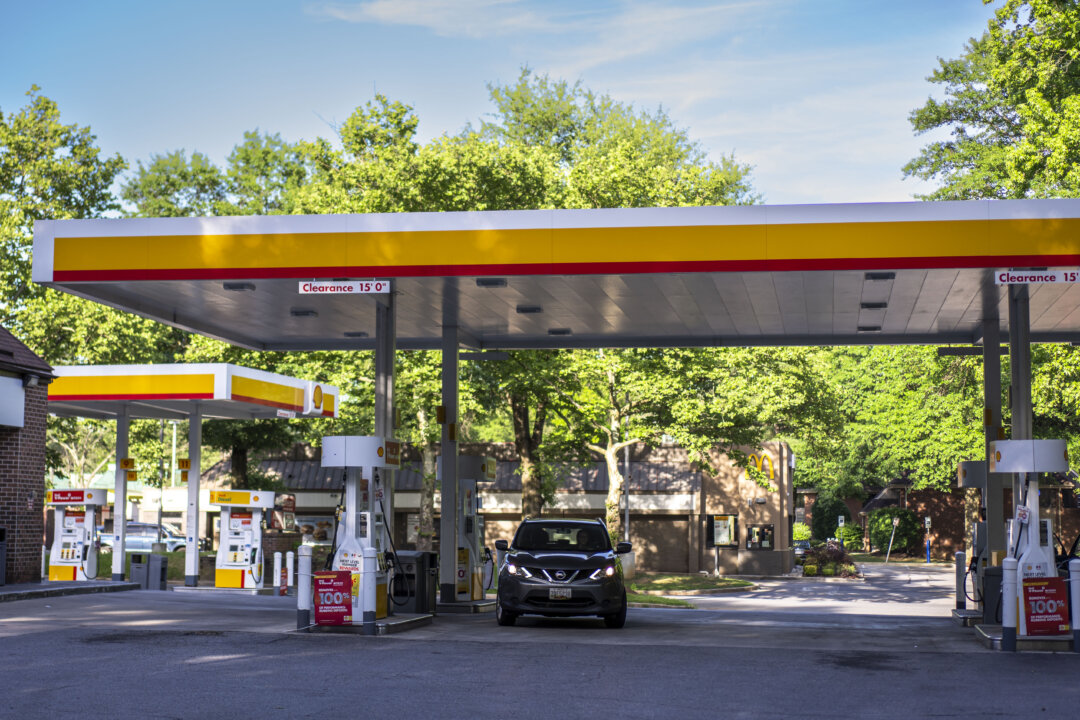
US Producer Inflation Unexpectedly Falls in June









Related Articles
BusinessCompaniesEnergy
EQT to Buy Range Resources, Creating Largest US Natural Gas Producer
EQT Corp. has agreed to acquire rival Appalachian shale driller Range Resources...
BrightBusinessInvestingPersonal FinanceStocks
Wall Street Is Very NervousShould You Worry? Can You Repair Your Losses?
On Oct. 23, the Dow Jones Industrial Average fell 652.82 points, or...
BusinessMarkets
Nearly 3 in 10 New-Car Trade-Ins Are Underwater, Edmunds Finds
Almost three in 10 vehicles traded toward a new car are worth...



Asia & PacificChina NewsEuropeInternational RelationsNational SecurityPolicies & ImpactsUSUS NewsUS-China RelationsWorld News
Japan Defense Academy Chief Calls for 3 Red Lines in Competition With China
Japan’s former top uniformed military officer has called for establishing three “red...
