Nearly seven months after China launched full-island “customs closure” operations in Hainan, the regime has repeatedly highlighted rising trade figures and declared that the benefits of the island’s free trade port are accelerating.However, many residents say they have yet to see those gains in their daily lives.Discussions on Chinese social media have focused instead on rising living costs, stagnant wages, fewer job opportunities, declining small businesses, and a weak property market. Visitors to the resort city of Sanya in Hainan have also described scattered tourist traffic, discounted hotel prices, and difficulty filling rooms.The contrast between official economic data and residents’ experiences has fueled debate over whether Hainan’s long-promised transformation is reaching ordinary people.“Things are not really like what you imagined,” one Hainan resident said in a video circulating online. “For people who actually live here, the reality is very different. Some large companies are reducing positions, and it has become even harder to run small businesses.”The resident said that although there are still many vehicles on the streets, drivers, delivery workers, and other service workers have complained of fewer opportunities to earn money.Beijing Highlights Trade Gains China officially launched island-wide customs operations in the Hainan Free Trade Port on Dec. 18, 2025. The move did not mean sealing off the island or restricting people from entering and leaving. Instead, the regime designated the entire island as a special customs zone.Beijing has promoted the policy as a major step in opening China’s economy and turning Hainan into a global trade and investment hub.China’s General Administration of Customs reported on June 18 that from the start of the new customs regime through May 31, Hainan’s foreign trade in goods increased 54.6 percent year over year. The number of newly registered customs-recorded companies rose 57.8 percent, while imports under the island’s “zero tariff” policy increased 120 percent.During the first five months of this year, cargo throughput at Hainan ports increased 12.1 percent year over year, while container throughput rose 53.9 percent. The Chinese regime presented the figures as evidence that the free trade port is delivering economic benefits.However, some observers told The Epoch Times that the figures primarily reflect trade activity and corporate performance rather than improvements in household incomes. They spoke on condition of anonymity, citing concerns about possible retaliation.A Hainan-based scholar told the publication that official statistics have focused heavily on trade, tax-free consumption, and business registrations, but do not show whether ordinary residents are benefiting.“Hainan’s local industrial foundation is relatively weak, and wages have remained low for a long time,” he said. “Many young people can only find work in tourism, catering, retail, and basic service industries. Tax-free policies may benefit large companies and people with strong purchasing power first, but ordinary residents are dealing with food prices, rent, and difficulty finding jobs.” Tourism Up, Demand DownThe Chinese regime has highlighted tourism growth as another major success after Hainan’s customs transition. Chinese state media People’s Daily reported that from December 2025 to May 2026, Hainan received 1.344 million foreign tourists, up 93.9 percent year over year. The report attributed the growth partly to policies such as visa-free entry for citizens of 86 countries.However, one Chinese tourist from outside the province said the broader picture is less optimistic. The tourist, surnamed Chen, who was visiting Sanya, told The Epoch Times the market was far weaker than before the COVID-19 pandemic.“Tourism this year is really much worse than before,” he said. “Even when visitors come, they arrive only in small numbers.”Chen said hotels were struggling to raise prices despite some occupancy.“Before COVID, a room that cost about 300 yuan ($44.31) per night cannot even sell for 100 yuan ($14.77) now,” he said.Official reports have highlighted growth in international arrivals but have provided fewer details on the overall number of domestic visitors from other parts of China during the same period. The short-term holiday surges may not reflect the broader tourism trend after nearly seven months of customs operations.The scholar said Beijing has used the economic figures to promote Hainan as a model for China’s broader opening-up strategy.“Even if trade figures improve, that does not mean ordinary people’s lives have improved,” he said. “Hainan residents’ most direct feelings are that incomes have not increased and housing remains unaffordable. No matter how impressive the official numbers look, they cannot change people’s daily experiences.”Xue Xiaoguang contributed to this report.

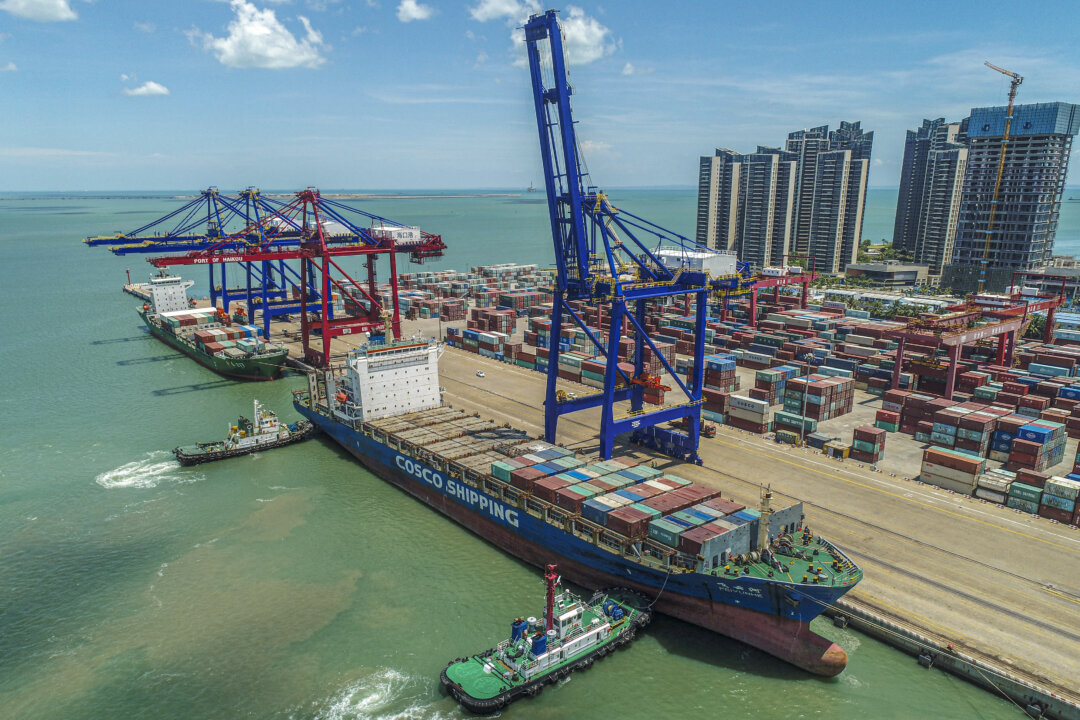
Chinas Hainan Free Trade Port Posts Gains, but Benefits Remain Uneven









Related Articles
China Business & EconomyChina NewsChina Technology
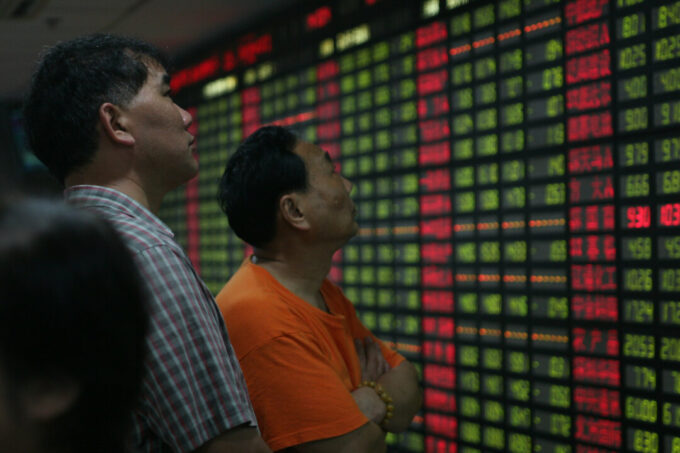
China Tech Index Plunges More Than 40 Percent From July Peak
China’s technology-heavy STAR 50 index has fallen by more than 40 percent...
China Military NewsChina NewsChinese RegimeInside CCP OfficialdomSpecial TopicsZhang Youxia
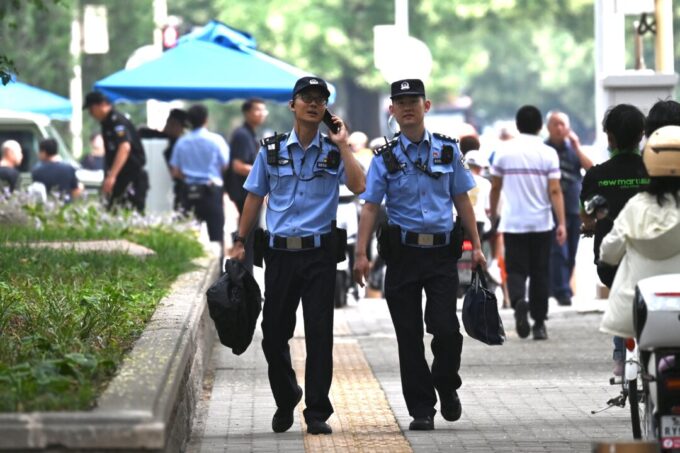
Xi Opens CCP Plenum Amid Sweeping Purges, Record-Low Attendance Forecast
Chinese Communist Party leader Xi Jinping opened a four-day meeting of senior...

China Business & EconomyChina NewsChinese RegimeFinance & Business TiesInside CCP OfficialdomSpecial Topics
Chinas Economic Woes Deepen as CCP Plenum Focuses on Political Control
The Chinese Communist Party (CCP) opened a four-day leadership meeting in Beijing...



China NewsEuropeGlobalUK NewsWorld News
UK Must Be Ready for War in 1,000 Days, Says British Defense Secretary
British Defense Secretary Wes Streeting has said the country must be ready...
