A new study by the Australian Institute of Health and Welfare (AIHW) estimates that around 969,000 people alive at the end of 2025 had been diagnosed with cancer over the last 10 years.Overall, cancer incidence dropped from 342 cases per 100,000 people, to 315 in the years between 2011 and 2025, while the mortality rate dropped from 148 deaths to 105.Cancer occurs across all ages but is more common in older people; in 2025 an estimated 88 percent of cancers affected people aged 50 or more, but rates for people in their 30s and 40s have been increasing.Between 2000 and 2025, it went from 121 to an estimated 135 cases per 100,000 people for people in their 30s, largely driven by higher rates of colorectal cancer and thyroid cancer.For people in their 40s, the rate increased from 280 to 313 cases per 100,000 people, with thyroid, breast, prostate, colorectal, and kidney cancers all strongly contributing to the increase.Lower MortalityBut while more people in those age groups are being diagnosed, mortality rates have generally been decreasing between 2000 and 2025.For people in their 40s, it dropped from 60 deaths per 100,000 people to an estimated 37 deaths, while for people aged in their 30s it fell from 18 to an estimated 11 deaths per 100,000 people, the study found.From 1987 to 1991, the 5-year survival rate for cancer was 50 percent, but between 2017 and 2021, it had increased to 72 percent.However, some cancers defied this trend.For instance, 5-year survival rates for brain cancer remained below 30 percent, improving only slightly between the early 1990s and 2021, while survival rates for pancreatic cancer also remained low, at 14 percent between 2017 and 2021.It’s estimated that in 2025, cancer was responsible for around 3 of every 10 deaths in Australia. The percentage has increased gradually from 17 percent in 1971 but has been relatively stable between 28 and 30 percent for almost all years since 2000.But even with increasing survival rates, the raw number of deaths from cancer has been increasing as the population grew.In 2000, there were 36,000 deaths from cancer, and by 2025 the number is estimated to have increased by 47 percent to 53,500. GroupIncidence rate per 100,000Death rate per 100,000Age-standardised, all people61419430s1351140s31337Males727240Females516156Indigenous315105Another group particularly affected are Indigenous Australians, who are twice as likely than other Australians to be diagnosed with cancers which have low survival rates. However, the overall number of cases in this group is declining, according to the AIHW.Lung cancer was the leading cause of cancer death for that group, accounting for an estimated 26 percent of all Indigenous cancer deaths.Breast Cancer the Most CommonFor women, breast cancer remains the most common type diagnosed, representing around 27 percent of the total. AIHW estimated there were around 20,000 new breast cancer cases diagnosed in females in 2025. It is the most commonly diagnosed cancer in Australia for persons aged 20 to 59. Again, though, mortality rates for both sexes have decreased. For men, it went from 342 to an estimated 240 deaths per 100,000 males. For women it went from 197 to 156 deaths per 100,000 females.Between 1997 to 2001 and 2017 to 2021, the 5-year survival rate for females increased from 63 to 73 percent, while the corresponding survival rates for males improved from 57 to 71 percent.Rates of melanoma in people over 50 have continued to rise, but cases have been decreasing in younger people over many years thanks to public education campaigns which began in the 1980s with the “Slip, Slop, Slap” campaign.Cervical cancer is also slowly being conquered, by increased testing. By 2035, the AIHW estimates it will no longer be among the 20 most commonly diagnosed cancers in women aged 15 to 29.Since 2000, colorectal cancer rates have decreased more than any other cancer. Age-standardised incidence rates peaked in 2001 at 86 cases per 100,000 people and are estimated to have decreased to 53 cases per 100,000 people in 2025.Last year, research published in Nature Medicine found that Australia and New Zealand recorded the most breast cancer incidences in the world in 2022, with around 1 in 7 women and 1 in 550 men receiving a diagnosis.In June, the Trump administration announced plans to return clinical trials of new medicines, including possible cancer breakthroughs, back to the United States at the expense of countries, including Australia, where they are currently carried out.

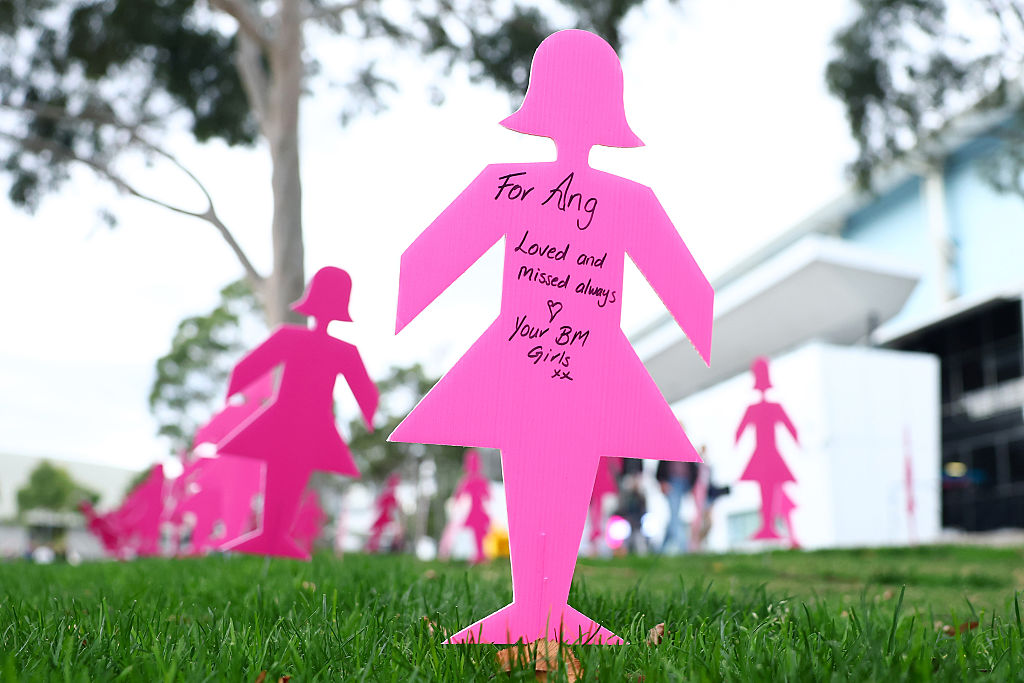
Nearly a Million Australians Have Cancer, Breast Cancer the Most Common









Related Articles

China NewsEuropeGlobalUK NewsWorld News
UK Must Be Ready for War in 1,000 Days, Says British Defense Secretary
British Defense Secretary Wes Streeting has said the country must be ready...
China NewsEuropeGlobalUK NewsUK Top NewsWorld News
UK Prime Minister Says He Agrees With Principle of Migration Reform
British Prime Minister Andy Burnham said on Oct. 26 that he agreed...

China NewsEuropeGlobalWorld News
Serbian President Concedes Election Defeat to Student-Led Coalition
Serbian President Aleksandar Vucic has conceded defeat in the Oct. 25 election...



Asia & PacificChina NewsEuropeInternational RelationsNational SecurityPolicies & ImpactsUSUS NewsUS-China RelationsWorld News
Japan Defense Academy Chief Calls for 3 Red Lines in Competition With China
Japan’s former top uniformed military officer has called for establishing three “red...
