The average lifetime cost of electricity from a new combined-cycle natural gas power plant in the United States has climbed 15.4 percent over the past year to a 15-year high, while utility-scale solar projects have become 18 percent more expensive, according to financial advisory firm Lazard.According to Lazard’s report, released on July 13, the average unsubsidized cost of electricity from new utility-scale solar projects increased to about $69 per megawatt-hour, up from $58 per megawatt-hour in the 2025 edition.Lazard’s average estimate for the lifetime cost of electricity from a new combined-cycle natural gas plant rose to $90 per megawatt-hour from $78 per megawatt-hour a year earlier. This is the highest level shown in Lazard’s results, which date back to 2009.The unsubsidized levelized cost of electricity from new utility-scale solar projects rose to $40-$98 per megawatt-hour from $38-$92 per MWh a year earlier.The report also found that the average cost of onshore wind projects rose to $68 per megawatt-hour from $61 per megawatt-hour a year earlier, while the average cost of gas peaking plants increased to $210 per megawatt-hour, extending a long-term upward trend.Electricity demand in the United States is expected to record its strongest four-year growth period since 2000, the U.S. Energy Information Administration (EIA) said in January. It added that expanding data centers, manufacturing growth, and electrification would drive the higher demand.Lazard said rising electricity demand is changing investment decisions across the U.S. power sector as utilities seek generating capacity that can be built quickly enough to avoid supply shortages.“We’ve entered a speed-to-power era—demand is outpacing supply, costs are climbing across every technology, and value is shifting to whoever can deliver capacity the fastest,” the company’s managing director, Samuel Scroggins, said. “Renewables remain the lowest-cost and quickest to deploy resource, but meeting this moment will require a diverse generation fleet.”Lazard said utilities continue to announce new gas-fired generating projects because demand forecasts have risen sharply, even though the economics of constructing those facilities have deteriorated.The company said long development schedules and equipment delivery delays are expected to push gas project costs even higher.Costs RiseVirtually every major source of electricity generation is facing higher construction costs, Lazard said.Inflation has picked up over the past year, with the U.S. consumer price index rising 4.2 percent in the 12 months through May after easing through much of 2025. Heightened tensions around the Strait of Hormuz raised shipping costs and contributed to volatility in energy and commodity markets.In an aerial view, the Amazon Fort Powhatan Solar Farm is seen in Disputanta, Virginia, on August 19, 2022. Drew Angerer/Getty ImagesThese pressures, as well as elevated financing costs, make replacing power plants more expensive to build, Lazard said. This increases the value of existing generating assets connected to the grid.The United States had 57 operating nuclear power plants with 97 reactors and 219 coal-fired power plants with 462 generators as of March 2026, according to EIA.Lazard said that conventional power plants are operating more frequently as electricity demand rises, allowing owners to spread fixed operating costs over greater electricity output. The company cautioned that operating costs for coal- and gas-fired plants remain vulnerable to swings in fuel prices, particularly natural gas.The report comes as the Trump administration is seeking to expand domestic power generation to meet rising electricity demand.Last week, the U.S. Nuclear Regulatory Commission proposed narrowing environmental reviews for new and renewed nuclear reactor licenses, saying the change could reduce licensing costs by about $135 million for developers and the agency.Battery StorageBattery storage, another rapidly expanding part of the U.S. electricity system, also became more expensive after several years of declining costs, according to Lazard.The company said tariffs on imported lithium-ion batteries have reduced access to lower-cost Chinese battery cells, reversing earlier price declines. It added that supply chain restrictions are encouraging manufacturers to expand production in Southeast Asia and the United States.Despite higher prices, Lazard said battery storage remains an important tool for balancing electricity generated by intermittent renewable resources such as solar and wind.

Lifetime Cost of New US Gas-Fired Power Hits 15-Year High, Solar Costs Jump 18 Percent: Lazard
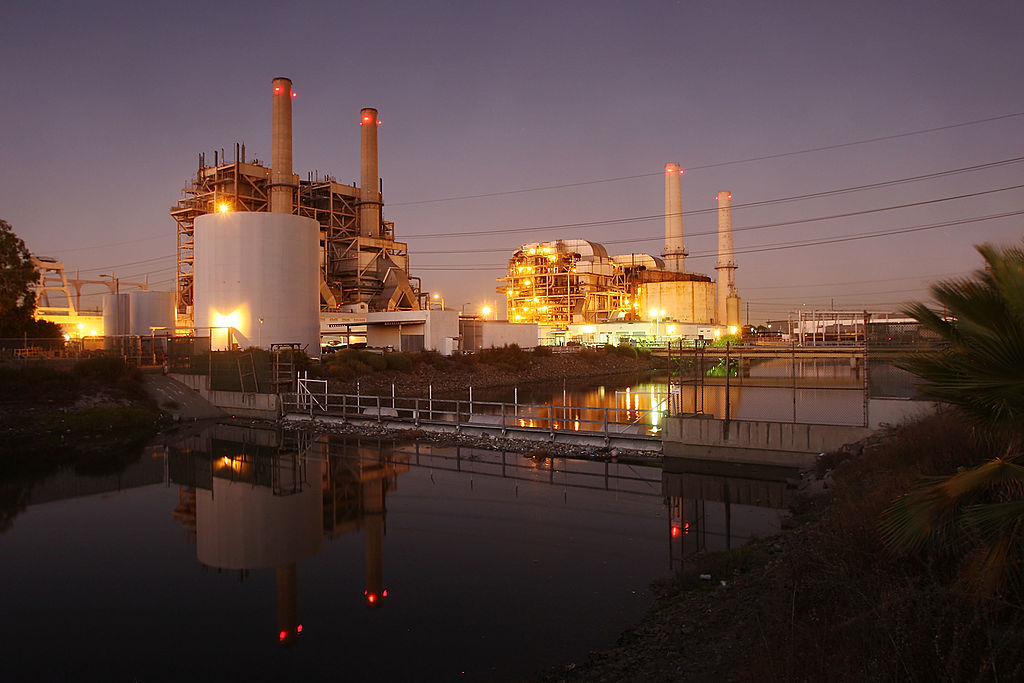
Lifetime Cost of New US Gas-Fired Power Hits 15-Year High, Solar Costs Jump 18 Percent: Lazard









Related Articles
BusinessCompaniesEnergy
EQT to Buy Range Resources, Creating Largest US Natural Gas Producer
EQT Corp. has agreed to acquire rival Appalachian shale driller Range Resources...

BrightBusinessInvestingPersonal FinanceStocks
Wall Street Is Very NervousShould You Worry? Can You Repair Your Losses?
On Oct. 23, the Dow Jones Industrial Average fell 652.82 points, or...
BusinessMarkets
Nearly 3 in 10 New-Car Trade-Ins Are Underwater, Edmunds Finds
Almost three in 10 vehicles traded toward a new car are worth...



Asia & PacificChina NewsEuropeInternational RelationsNational SecurityPolicies & ImpactsUSUS NewsUS-China RelationsWorld News
Japan Defense Academy Chief Calls for 3 Red Lines in Competition With China
Japan’s former top uniformed military officer has called for establishing three “red...
