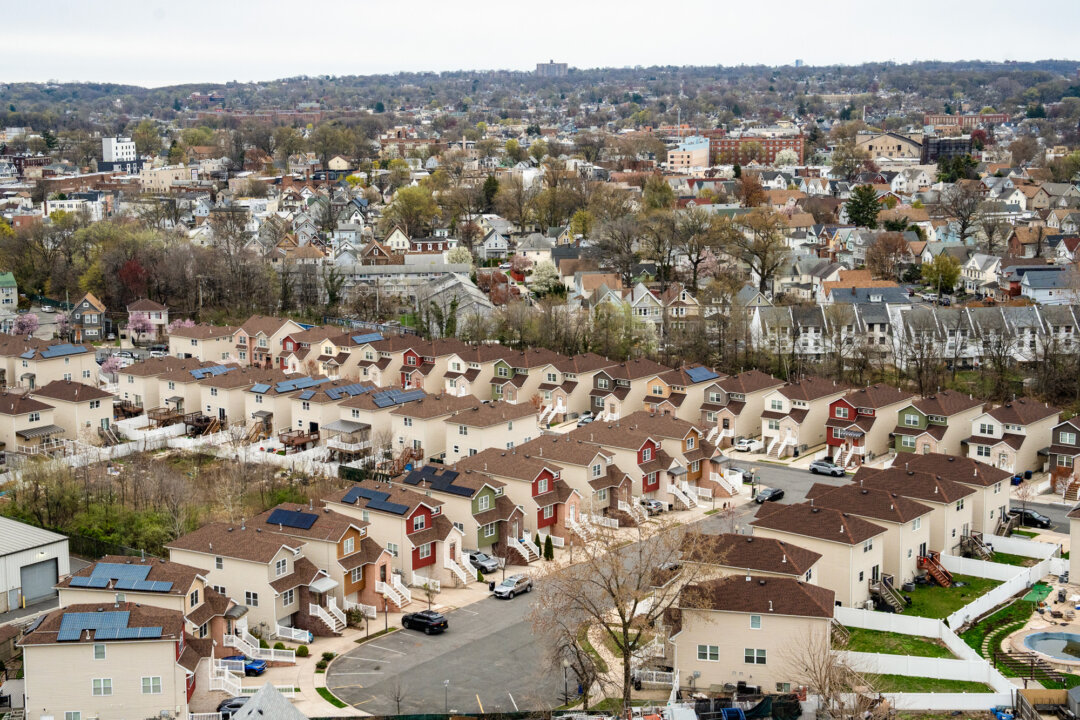
Homes in Staten Island, N.Y., on April 10, 2025. Samira Bouaou/The Epoch TimesAlmost two-thirds of Americans said they prefer to live in homes in close proximity to parks, restaurants, and shopping, even if it means housing costs more, a new survey from the National Association of Realtors (NAR) found.The NAR’s triennial Community and Transportation Preferences Survey, released on July 10, polled 2,000 Americans in 50 of the country’s largest metropolitan regions this past May. Walkability, living in mixed-use neighborhoods that blend public spaces with retail and commercial businesses, and having a variety of choices when it comes to housing were primary concerns when searching for housing, regardless of whether those amenities come with a cost premium.Nearly 90 percent of people surveyed said easy access to walking space was an important factor in their housing choices, with another 82 percent agreeing that being able to walk to parks and nearby shops was also a significant consideration. Almost three-quarters of respondents noted that having nearby places to take their pets for exercise was important.“It’s clear that Americans place a high value on making sure the place they call home has the amenities they need to lead a happy and healthy life,” said Shannon McGahn, NAR’s executive vice president and chief advocacy officer.Walkable neighborhoods emphasize walking as a primary means of transportation, online research platform EBSCO noted. They typically have features such as smaller-sized city blocks, connected streets, sidewalks, lower traffic volumes and speeds, and are zoned for mixed land use, according to the Washington-based nonprofit Congress for the New Urbanism.Walkability often translates to higher housing prices, the NAR report found, with 63 percent of prospective homebuyers saying they would be willing to pay more for homes in communities where shops, parks, and stores are within easy walking distance. Nearly 60 percent of survey respondents said they would choose a home with a smaller living footprint if it meant they could avoid driving to nearby amenities, even if they could live in a bigger house.A Pew Research Center survey conducted in January found that 44 percent of U.S. adults prefer smaller homes in denser communities so long as restaurants, stores, and schools are within walking distance. Fifty-five percent of survey respondents said they prefer larger homes with more distance between neighbors, provided schools, stores, and eateries were just a few miles away.However, among people already living in urban areas, 61 percent said they prefer communities with smaller houses within walking distance of those amenities, Pew Research Center said, suggesting Americans already living in denser urban cores view walkable communities more favorably than those living in more rural areas and subdivisions where homes are spread out.Americans largely favor community design choices that emphasize small-lot single-family homes, the NAR report added, and 46 percent said local governments should make walkable neighborhoods a high priority.“Collectively, the findings suggest continued demand for housing and development patterns that combine accessibility, convenience and a variety of housing choices,” NAR researchers wrote.

Nearly Two-Thirds of Americans Willing to Pay More for Homes in Walkable Communities: NAR









Related Articles

BusinessCompaniesEnergy
EQT to Buy Range Resources, Creating Largest US Natural Gas Producer
EQT Corp. has agreed to acquire rival Appalachian shale driller Range Resources...

BrightBusinessInvestingPersonal FinanceStocks
Wall Street Is Very NervousShould You Worry? Can You Repair Your Losses?
On Oct. 23, the Dow Jones Industrial Average fell 652.82 points, or...
BusinessMarkets
Nearly 3 in 10 New-Car Trade-Ins Are Underwater, Edmunds Finds
Almost three in 10 vehicles traded toward a new car are worth...



Asia & PacificChina NewsEuropeInternational RelationsNational SecurityPolicies & ImpactsUSUS NewsUS-China RelationsWorld News
Japan Defense Academy Chief Calls for 3 Red Lines in Competition With China
Japan’s former top uniformed military officer has called for establishing three “red...
