California Democratic Sen. Adam Schiff is pushing for Quebec to resume importing and allowing the sale of American wine, as U.S. political pushback against several provincial restrictions on selling U.S. alcohol grows.Schiff posted a comment on an article regarding a letter he wrote to Quebec Premier Christine Fréchette in late June urging the province to resume selling California wine.“Canada’s boycott of California wine is causing devastating harm to winegrowers,” Schiff posted July 9 on X.“I’m urging the Canadian government to recognize that California doesn’t agree with these tariff wars, to lift these restrictions, and increase consumer options to strengthen both our economies.”Canada was the top destination for American wine and accounted for 36 percent, or US$460 million worth, of all American wine exports in 2024, according to the California-based Wine Institute.Data from the same organization shows a decline of 12 percent of American wine going to Canada in 2025.US Booze BansA number of provincial liquor agencies stopped importing American alcohol last year in retaliation for tariffs placed on some Canadian goods by U.S. President Donald Trump and comments Trump had made about Canada becoming the “51st state.”Alberta and Saskatchewan have since resumed selling U.S. alcohol products, but Ontario and Quebec still don’t import American liquor, wine, and beer, which is drawing attention from lawmakers in both major U.S. political parties.In addition to Schiff’s letter to Fréchette on June 24, a bipartisan group of 14 California legislators sent her a letter earlier in the month also urging Quebec to start buying American wine once again.“Québec consumers have historically enjoyed access to a wide variety of American wines, and their absence limits choice in the marketplace, while cutting off a $434 million market,” the legislators wrote.Further action has come from New York Republican Congresswoman Claudia Tenney, who said on July 6 that she would introduce the Combating Attacks on our National Alcoholic Drinks by Allies Act (CANADA Act) in the House of Representatives.The CANADA Act calls for an investigation under Section 301 of the Trade Act of 1974 into the provincial liquor boards’ bans on American alcohol and, if it determines unfair trade practices took place, it can lead to the U.S. Trade Representative imposing tariffs and other measures in response.“Canadian provinces cannot be allowed to hold American wineries, breweries, and distilleries hostage and attempt to ransom them,” Tenney said in a July 6 release.American alcohol producers and industry groups say that the bans from a number of Canadian provinces have led to significant financial losses, including a 63 percent decline in the export of U.S. spirits to Canada last year, according to the Distilled Spirits Council of the United States.Quebec and OntarioFor its part, Quebec has given no sign it plans to resume importing American alcohol.“In the context of the ongoing trade war, the premier continues to defend Quebec’s economic interests,” a spokesperson for Fréchette said July 10.“This measure will remain in place as long as the United States maintains these unjustified tariffs. Our government will re-evaluate its position when the American administration reverses these measures,” the spokesperson added.Ontario Premier Doug Ford has made similar statements, saying that American alcohol will be back on shelves in Ontario when U.S. tariffs are removed and Trump’s comments about making Canada the “51st state” are rescinded.During a visit to Washington last month, Ford specifically said Ontario would start selling U.S. alcohol if and when the Canada–United States–Mexico Agreement (CUSMA) gets renewed.Ford repeated this in the wake of Tenney announcing the CANADA Act.“We won’t back down. The fastest and only way to get U.S. alcohol back on Ontario shelves is for the U.S. to drop its illegal tariffs on Canada,” Ford posted on social media in response.The Trump administration announced last week that it would not extend CUSMA to a full 16-year renewal term as Canada and Mexico had sought but would instead begin an annual rolling review process that could continue for up to 10 years.The agreement will expire at the end of that period if the three countries fail to approve an extension.

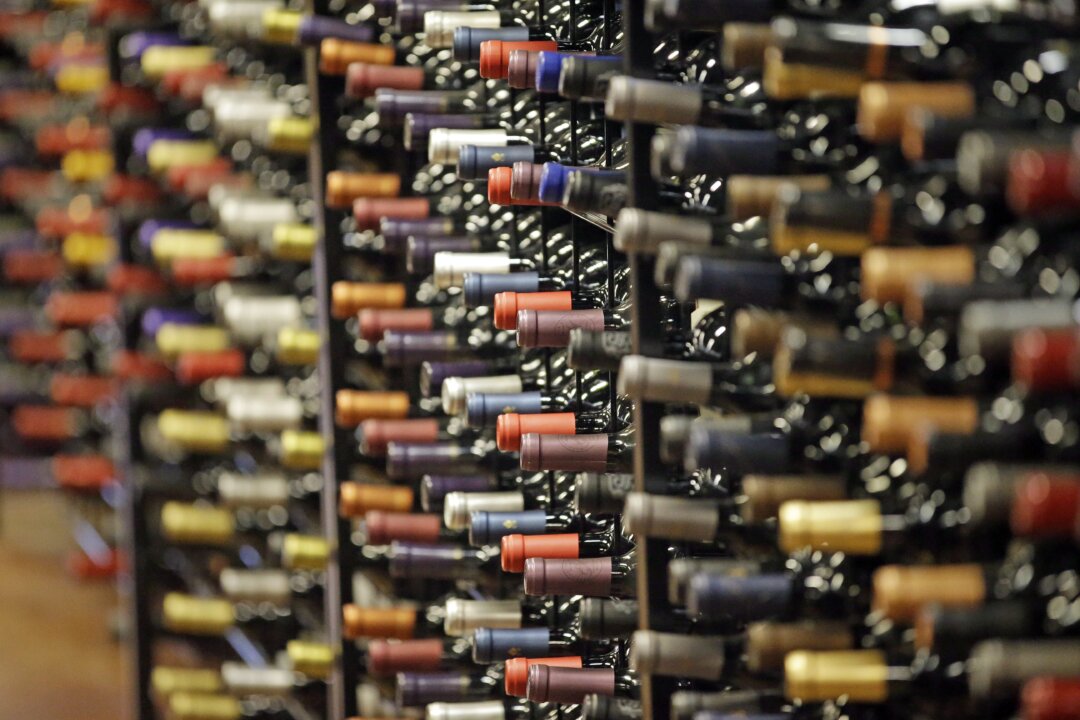
California Senator Calls on Quebec to Return to Selling American Wine









Related Articles
China NewsEuropeGlobalUK NewsWorld News
UK Must Be Ready for War in 1,000 Days, Says British Defense Secretary
British Defense Secretary Wes Streeting has said the country must be ready...

China NewsEuropeGlobalUK NewsUK Top NewsWorld News
UK Prime Minister Says He Agrees With Principle of Migration Reform
British Prime Minister Andy Burnham said on Oct. 26 that he agreed...

China NewsEuropeGlobalWorld News
Serbian President Concedes Election Defeat to Student-Led Coalition
Serbian President Aleksandar Vucic has conceded defeat in the Oct. 25 election...



Asia & PacificChina NewsEuropeInternational RelationsNational SecurityPolicies & ImpactsUSUS NewsUS-China RelationsWorld News
Japan Defense Academy Chief Calls for 3 Red Lines in Competition With China
Japan’s former top uniformed military officer has called for establishing three “red...
