U.S. drivers are seeing more relief at the pump heading into the busy Independence Day travel weekend, with gasoline prices continuing to fall as crude oil markets stabilize following the easing of Middle East supply disruptions.The national average price for regular gasoline fell to $3.84 per gallon on July 2, according to AAA, extending a steady decline from late May. Prices are down nearly 50 cents from a month ago, though they remain above year-ago levels.“Overall, gas prices remain the highest they’ve been in 4 years, but the downward trend since late May is welcome news during the busy summer driving season,” AAA said in a statement.The decline comes as millions of Americans prepare to travel over the long July 4 holiday weekend, traditionally one of the busiest driving periods of the year.Crude oil prices have retreated sharply from the highs reached during the U.S.–Iran war, helping to put downward pressure on retail gasoline costs despite lingering uncertainty surrounding shipping through the Strait of Hormuz.Transit of crude and other key commodities through the maritime chokepoint has picked up since Washington and Tehran signed a memorandum of understanding on June 17 that extended a fragile ceasefire and reopened the strait to commercial traffic.While the pause in fighting has largely held, there have been several minor exchanges of fire as Iran seeks to assert control over Strait of Hormuz shipping lanes and doubles down on plans to impose tolls, or what it calls maritime service fees, after the current 60-day grace period lapses.U.S. President Donald Trump, along with senior members of his administration, has opposed any type of fees on Hormuz transit, pushing for an arrangement that will ensure freedom of navigation.Crude Prices Continue to RetreatBenchmark oil prices softened this week as tanker traffic through the Strait of Hormuz continued to normalize.West Texas Intermediate (WTI) crude was down 6 cents at $68.63 per barrel early Friday, while Brent crude was at the $71.87 mark.Analysts at ING said the market is on track for a fourth consecutive week of declines, with improving oil flows through Hormuz helping to unwind the geopolitical risk premium that drove oil prices sharply higher during the conflict.The easing supply outlook has pushed the front end of the Brent futures curve toward contango—a market structure often associated with adequate or growing near-term supplies.“Yet with the flat price falling and the forward curve moving into contango, we could start to see more buying in the market,” ING analysts wrote, suggesting that trading dynamics could put some upward pressure on prices.Other experts described market participants as mostly hopeful but bracing for a possible uptick in tensions that could once again squeeze oil supply.“It’s a case of guarded optimism, with the market wanting to believe the peace efforts will hold, but it’s still hedging its bets until it sees real evidence on the water,” said Tim Waterer, chief market analyst at KCM Trade.Trump on Thursday hailed signs of energy markets’ normalization while predicting further declines in prices.In a post on Truth Social, Trump said oil prices were “plummeting fast,” and gasoline prices were also falling, “but not as fast as they should be.”The president praised a fuel retailer for announcing one-day price reductions at 25 gasoline stations across the Philadelphia area on July 3 to mark America’s 250th birthday celebrations.“A very smart Retailer … is stepping up,” Trump wrote, urging other gas stations to follow suit.The comments followed Trump’s June 30 warning that gasoline retailers should pass along falling crude oil prices more quickly to consumers.At the time, he accused some stations of price gouging and urged retailers to target prices around $2.50 per gallon, while saying his administration was examining whether companies were failing to reflect lower wholesale costs at the pump.If gas stations don’t lower prices at the pump, “big problems lie ahead,” Trump warned.Industry executives and energy analysts have said that gasoline prices typically lag movements in crude oil markets.Chevron Chief Financial Officer Eimear Bonner said last week that lower crude prices should lead to cheaper gasoline but predicted that the adjustment would take some time.“There is a lag between reductions in oil prices and when that shows up at the pump,” Bonner told CNBC.

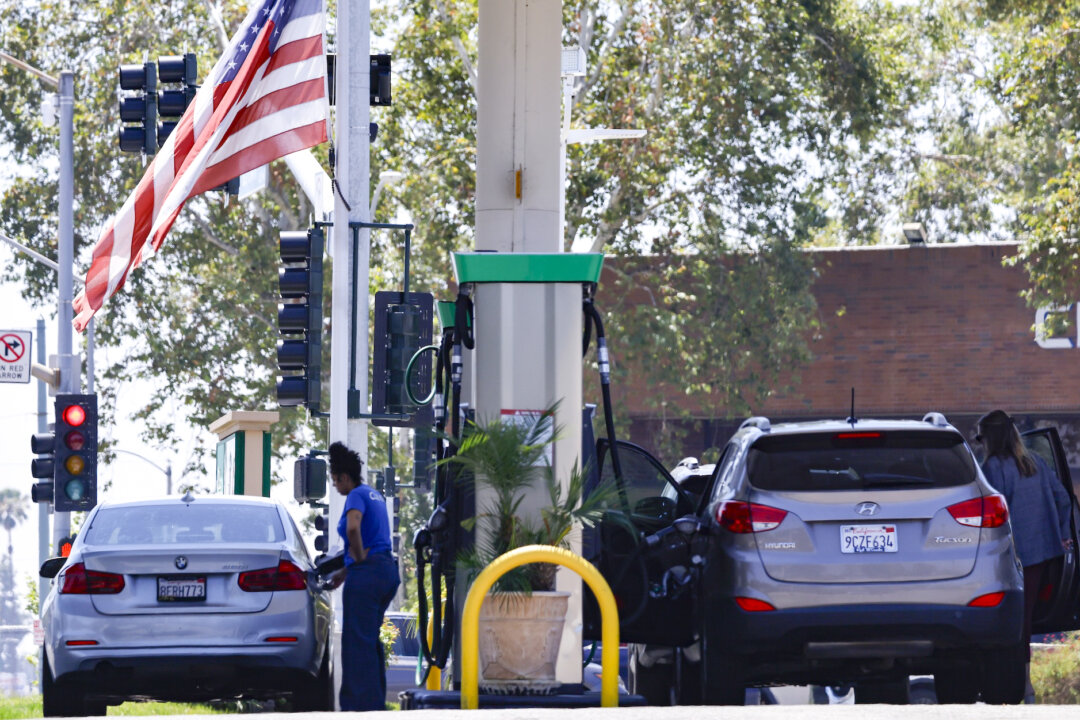
Falling Oil Prices Bring Pump Relief Ahead of July 4 Travel









Related Articles
BusinessCompaniesEnergy
EQT to Buy Range Resources, Creating Largest US Natural Gas Producer
EQT Corp. has agreed to acquire rival Appalachian shale driller Range Resources...
BrightBusinessInvestingPersonal FinanceStocks
Wall Street Is Very NervousShould You Worry? Can You Repair Your Losses?
On Oct. 23, the Dow Jones Industrial Average fell 652.82 points, or...
BusinessMarkets
Nearly 3 in 10 New-Car Trade-Ins Are Underwater, Edmunds Finds
Almost three in 10 vehicles traded toward a new car are worth...



Asia & PacificChina NewsEuropeInternational RelationsNational SecurityPolicies & ImpactsUSUS NewsUS-China RelationsWorld News
Japan Defense Academy Chief Calls for 3 Red Lines in Competition With China
Japan’s former top uniformed military officer has called for establishing three “red...
