Taiwanese prosecutors have expanded an investigation into alleged illegal exports of advanced AI servers to China, Hong Kong, and Macau.The June 29 searches reached American company Supermicro’s Taiwan office and two listed Taiwanese companies after authorities previously seized 50 Supermicro servers equipped with Nvidia chips.Keelung prosecutors said investigators searched 12 locations, including Supermicro’s Taiwan branch, Albatron Technology Co., Chief Telecom Inc., and residences tied to the case.Six people were summoned for questioning on suspicion of document forgery and breach of trust, prosecutors said.The case began in May, when Keelung prosecutors and Taiwan’s coast guard said investigators seized 50 Supermicro high-end AI servers equipped with Nvidia chips, along with phones, computers, account books, luxury cars, and more than NT$9 million (about $280,000) in cash. Three individuals were detained and questioned.Supermicro told The Epoch Times that it is “working closely with Taiwanese authorities on recent events” and that its products “continued to be targeted in these matters.”The company said it is cooperating with law enforcement and government officials in Taiwan and other jurisdictions “to ensure our technology is distributed as lawfully intended.”Public records do not show that Supermicro, Albatron, Chief Telecom, or Nvidia has been charged in Taiwan.Search Reaches Company OfficesThe second wave moved the case beyond the three men detained in May and into companies and facilities that investigators are examining in the shipment chain.Albatron, a Taipei Exchange-listed company, confirmed in a material disclosure that investigators searched the company. It said it would cooperate with the investigation and that the matter had no material effect on its finances or business operations.Chief Telecom did not immediately respond to a request for comment.Servers Seized in MayThe Keelung District Prosecutors Office said in a May 21 statement that three Taiwanese men surnamed You, Wang, and Chen, allegedly knew that the seized servers were subject to strict U.S. controls and prohibited from sale to China, Hong Kong, and Macau.The three allegedly bought the servers in Taiwan and used false documents to declare them for export, prosecutors said.Prosecutors said the men were suspected of document forgery and posed risks of flight, evidence destruction, or collusion. A court approved detention incommunicado, according to the prosecutors’ statement.Taiwan’s coast guard said its Keelung investigation team found that the suspects allegedly used shell companies, nominal company heads, false product names, and forged documents to declare exports of the Nvidia-equipped servers.The agency described the seized servers as high-tech controlled items with strategic and sensitive uses, including artificial intelligence training, high-performance computing, dual-use technology, and information warfare.Supermicro Says Products TargetedSupermicro said in a May 28 statement that the seized servers were “deceptively acquired” after being sold to an authorized reseller.The company said its cooperation with Taiwanese authorities helped lead to the arrest of three suspects and the seizure of the 50 servers.“[The case] also underscores the importance of continued collaboration across industry and government to strengthen safeguards, enhance supply chain visibility, and facilitate the enforcement of export control laws,” Supermicro said in that statement.US Controls Target AI Hardware Flow to ChinaThe Taiwan case comes as U.S. authorities have stepped up enforcement against efforts to route advanced AI hardware to China.The U.S. Department of Justice said on March 19 that an indictment had been unsealed charging three individuals with allegedly conspiring to divert U.S.-assembled servers containing artificial intelligence technology to China.The U.S. indictment names different defendants from the Taiwan case and describes a separate alleged scheme.The Justice Department said advanced AI accelerator chips and servers incorporating such chips are subject to export license requirements for transfers to China and Hong Kong because of U.S. national-security and foreign-policy concerns.Nvidia CEO Jensen Huang told shareholders on June 24 that building AI data centers with smuggled products is a “dead end,” saying advanced systems require trusted hardware, software, networking, and continuing support.“We do not provide any support or repairs for restricted products,” Huang said.

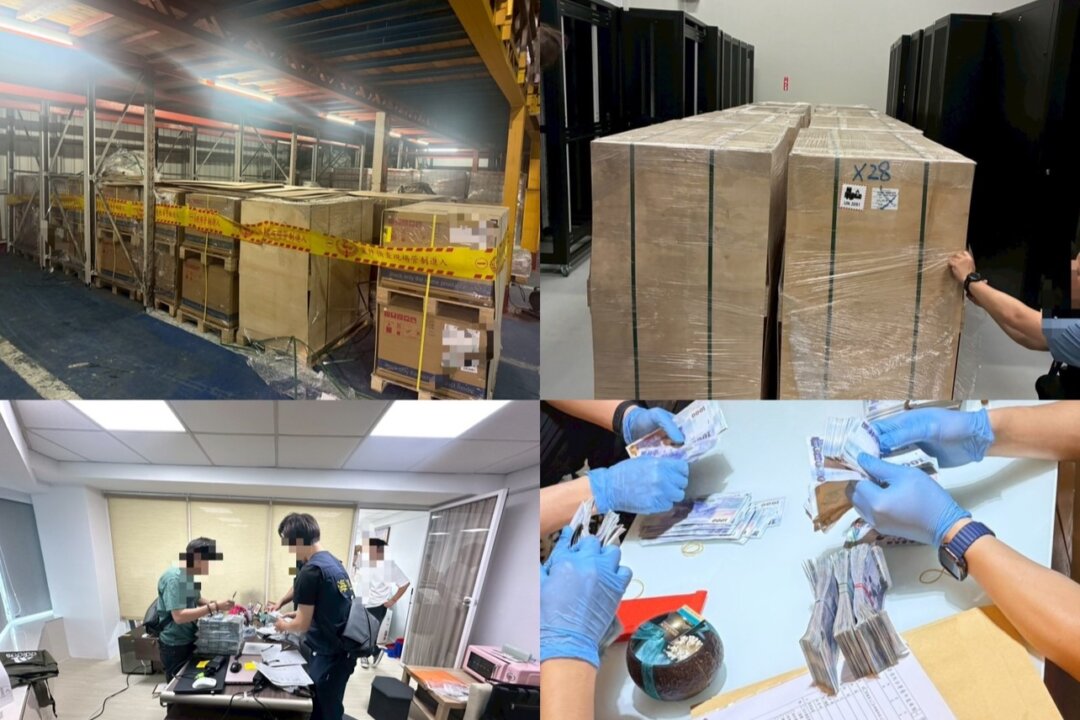
Taiwan Prosecutors Search Supermicro Office, 2 Firms in AI Server Smuggling Probe









Related Articles

EuropeThe Final wakeup call
Lula wins a miracle election in Brazil. Now comes the hard part: putting the country back on the right track
Three weeks ago, Brazilian President Luiz Inácio Lula da Silva’s political obituaries...

EuropeThe Final wakeup call
US midterms: what a new Congress could and could not change for Europe
US midterm elections traditionally attract fewer voters than presidential contests. But this...

EuropeThe Final wakeup call
Political power without balance leads to the erosion of democracy, what Montesquieu can teach modern-day France
KEY TAKEAWAYS Democratic erosion does not start by doing away with elections;...



China Business & EconomyChina NewsChina Technology
China Tech Index Plunges More Than 40 Percent From July Peak
China’s technology-heavy STAR 50 index has fallen by more than 40 percent...
