
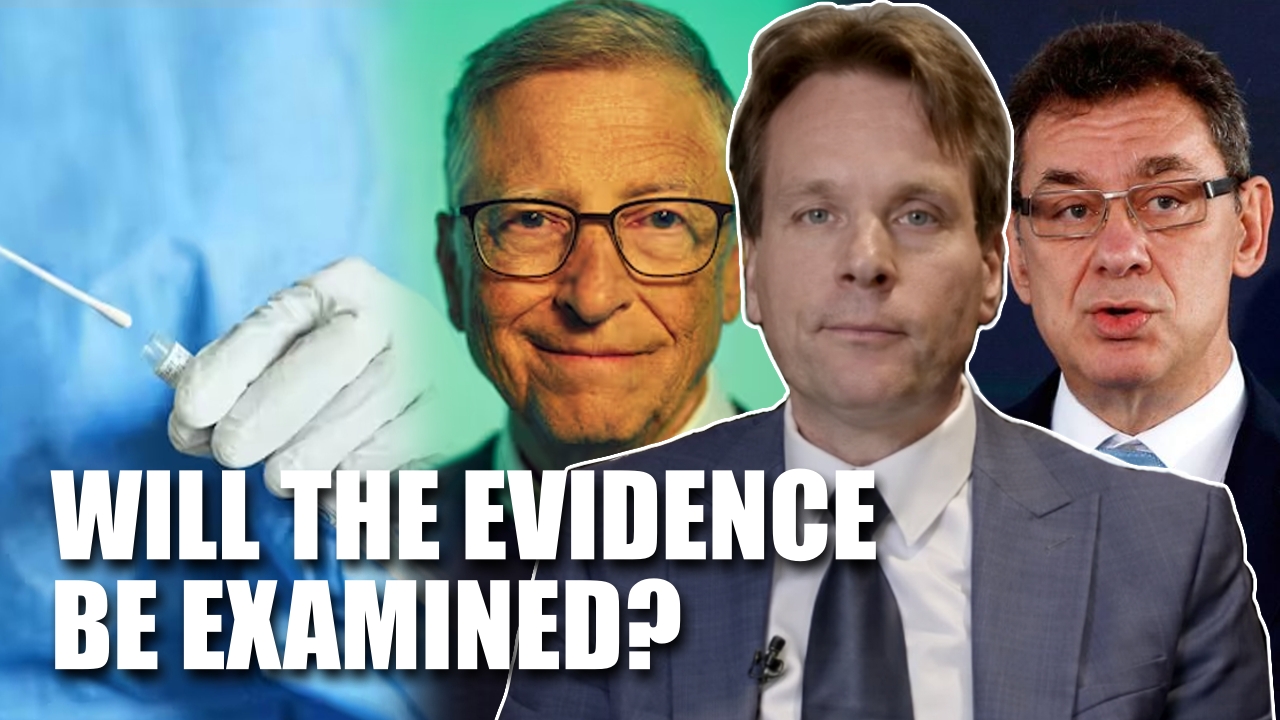
A high-profile civil case in the Netherlands is continuing to move forward, bringing together “vaccine”-injured plaintiffs against a group of prominent defendants, including Bill Gates and Albert Bourla, as well as Dutch officials and public health institutions. The case remains ongoing, with no final judgment issued, and is currently focused on preliminary legal questions that will determine whether it can proceed to a full substantive hearing.Thank you to Dr. Joseph Sansone for publishing this video. Dr. Sansone holds a B.A. in Psychology, an M.S. in Clinical Mental Health Counseling, and a Ph.D. in Psychology. He is a practicing psychotherapist, specializing in clinical hypnosis, and a vocal activist who has continually opposed the COVID criminals. You can follow him at:Website: sansonehypnosisSubstack: JosephsansonePlease consider supporting our ongoing work to restore human rights, uphold informed consent, and care for those who have been harmed. You can help by making a one-time donation or by becoming a paid Substack subscriber.One-Time DonationFree & Paid SubscriptionsThe lawsuit was initiated by plaintiffs alleging harm following COVID “vaccines.” Represented by lawyer Peter Stassen, they are seeking to establish liability against a network of public and private actors involved in pandemic policy, regulation, and distribution. The scope of the case is significant, both in terms of the claims being made and the individuals named (including Bill Gates and Albert Bourla). It reflects a broader attempt to pursue accountability across institutional and corporate lines.Central to the case are claims from individuals reporting significant health issues following COVID “vaccines,” including conditions they argue have not been adequately acknowledged or investigated. During the hearing, Stassen noted that some plaintiffs were unable to attend due to the severity of their condition.The plaintiffs’ legal approach depends heavily on the ability to introduce expert testimony to examine these outcomes in a formal setting. Without this, questions surrounding causation, mechanisms of injury, and regulatory oversight will remain largely under-respresented. The March 2026 hearing focused on procedural issues, particularly whether the plaintiffs’ appeal can proceed and whether expert witnesses may be admitted. Stassen argued that the lower court wrongly denied the opportunity to present expert testimony, framing this as a violation of fundamental principles of fairness. He maintained that access to independent experts is necessary to establish claims related to vaccine safety, regulatory conduct, and PCR testing and move the case forward in a legitimate way—especially given the technical nature of the claims.If granted, the plaintiffs could question specific experts in court, allowing their findings to be tested under oath and formally entered into the record. Stassen referenced individuals critical of PCR testing, including myself, Dr. Mark Trozzi (mentioned at around 20:30), as examples of perspectives he believes should be examined. Without the admission of expert testimony, the case risks becoming confined to procedural arguments rather than a full examination of the underlying claims.Stassen also pointed to expert materials already submitted to the court, including testimony from Dr. Joseph Sansone, which draws in part on the work of bioweapons law expert Francis Boyle. These submissions were presented as part of the evidentiary foundation the plaintiffs are seeking to have formally examined under oath.The defense countered that the appeal is inadmissible under Dutch law, emphasizing that the type of ruling being challenged is generally not open to appeal unless there is a clear violation of fundamental legal principles. Therefore, the plaintiffs must demonstrate that the original proceedings were flawed such that they cannot be considered fair or impartial.This disagreement highlights a broader tension. Strict procedural rules can limit what evidence is allowed early on, narrowing what can be examined before the case is fully developed. The resistance to expert testimony in scientific contexts has been a consistent trend over the past few years. Another point of contention during the hearing was the absence of key defendants. Stassen criticized the failure of individuals such as Bill Gates and Albert Bourla to appear in person, arguing that their absence undermines the seriousness of the proceedings and reflects a lack of accountability in a case of significant public importance. He urged the court to take a firmer stance in requiring their presence, particularly given the scale of the allegations being brought forward.The court acknowledged these concerns but reiterated that parties are generally permitted to appear through legal representation, and that non-attendance does not automatically invalidate proceedings. It was noted that Bourla had some level of remote representation during the hearing, though he did not directly participate. Despite this, it was indicated that both Gates and Bourla have been ordered to appear in person at future stages, although it remains to be seen whether they will.The defense maintained a strictly procedural focus throughout the hearing, consistently emphasizing that the court is not being asked to evaluate the truth of claims regarding COVID “vaccines,” but rather to determine whether the appeal itself is legally permissible. They argued that the plaintiffs are attempting to reopen issues that have already been decided and are using broader claims to circumvent procedural boundaries. From their perspective, the legal threshold required to override the prohibition on appeal has not been met, and the plaintiffs’ arguments—while extensive—do not demonstrate a failure of fairness or impartiality in the original proceedings. As such, they maintained that the appeal should either be declared inadmissible or dismissed without further examination of the underlying claims. This approach will have the effect of keeping the discussion confined to legal nit-picking rather than substance and truth, limiting the opportunity for the underlying claims to be directly examined.At the conclusion of the hearing, the court confirmed that no immediate ruling would be issued and that a decision would be delivered on April 9, determining whether expert evidence can be examined at this stage, and how the case proceeds moving forward. The oral proceedings were formally closed, although the court noted they could be reopened if necessary based on internal deliberations or emerging considerations. This leaves open the possibility of further examination, but only if deemed warranted by the court.The case remains active and unresolved, with the March 2026 hearing serving primarily to clarify the procedural framework within which it will continue. The upcoming decision is expected to play a decisive role in determining whether the plaintiffs can move forward, particularly in relation to the admission of expert testimony and the broader admissibility of their appeal.If the appeal is allowed, the case could progress toward a more substantive phase involving evidentiary review and witness examination, creating an opportunity for the claims to be tested more fully in court. If not, the plaintiffs may face significant limitations in pursuing their claims through this legal avenue, leaving key questions surrounding accountability unexamined.Given the prominence of the individuals involved and the broader implications of the case, the results could have a profound effect. The only way for the court to prove itself legitimate and genuine in its pursuit of justice is to allow a thorough examination of the evidence rather than limiting the case on procedural grounds.









Wins of the Week 140 with Ted Kuntz
Questions around health, free speech, and public accountability came into sharp focus...
Understanding Routine Newborn Interventions – Kristen Nagle 3/3
Part 3 of 3 - In the final part of this interview,...
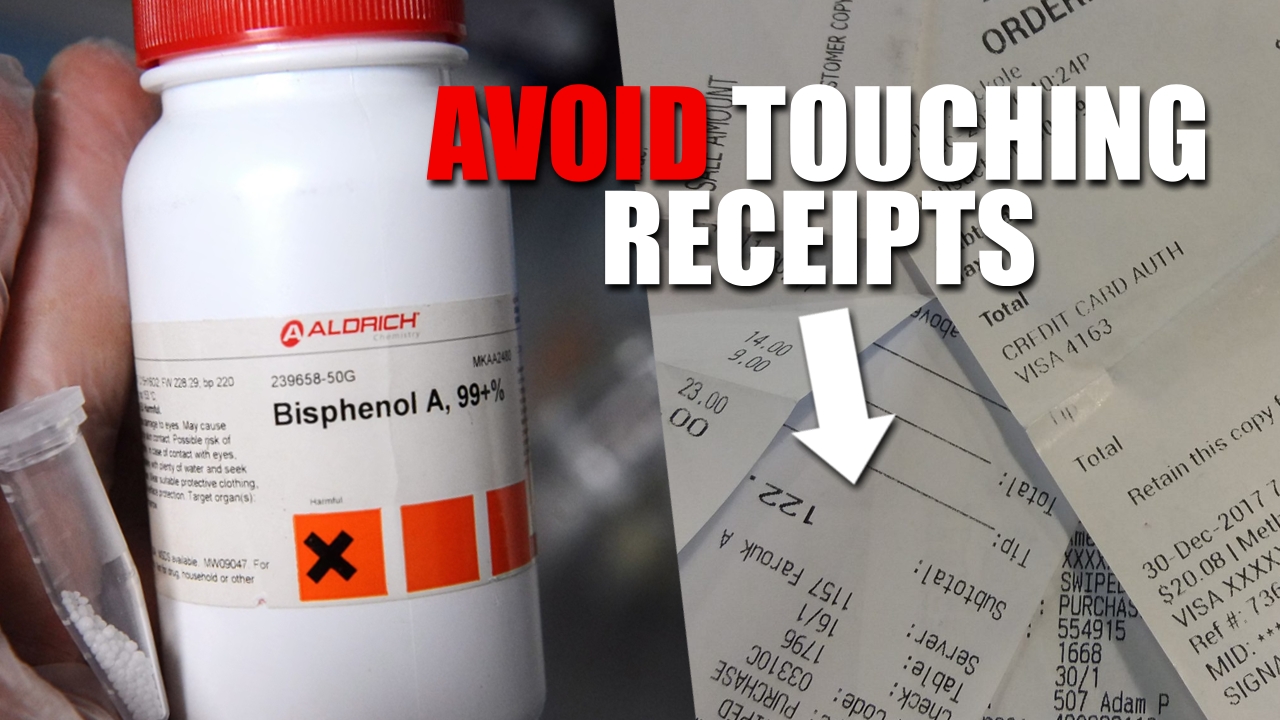
Are Thermal Paper Shopping Receipts Damaging Our Health?
Most of us think nothing of accepting a receipt at the checkout....



Wins of the Week 139 with Christof Plothe
Several important stories this week highlighted growing demands for transparency, legal accountability,...
