

No more tax break on catch-up contributions for some earners—but the strategy may still pay off. Andrey_Popov/ShutterstockSince 2002, retirement savers age 50 and over have had the option of making “catch-up” contributions to their 401(k) plans, which stack on top of the regular limits for employee contributions to tax-deferred retirement plans. The amounts were limited to $1,000 per year when they first came out but expanded to $7,500 by 2025.In addition, contributions to tax-deferred retirement plans are excluded from adjusted gross income, resulting in a lower tax bill on income that would otherwise be taxed. For example, a 50-year-old employee who contributed the $23,500 maximum to her retirement plan in 2025 plus the $7,500 catch-up amount would have effectively shielded $31,000 from current-year taxes, resulting in a tax break of $7,440 for someone in the 24 percent tax bracket. New for 2026: One Tax Break Goes Away With SECURE 2.0But starting this year, these tax breaks will be off-limits for some retirement savers. That’s because of a new provision from SECURE 2.0 that went into effect on Jan. 1, 2026. (SECURE refers to Setting Every Community Up for Retirement Enhancement.)









USDA Unveils New Support for Ranchers to Rebuild Cattle Herds
The U.S. Department of Agriculture has unveiled a new package of measures...

How Major US Stock Indexes Fared Aug. 31
Oil prices rose and U.S. stocks fell after American forces struck Iranian...
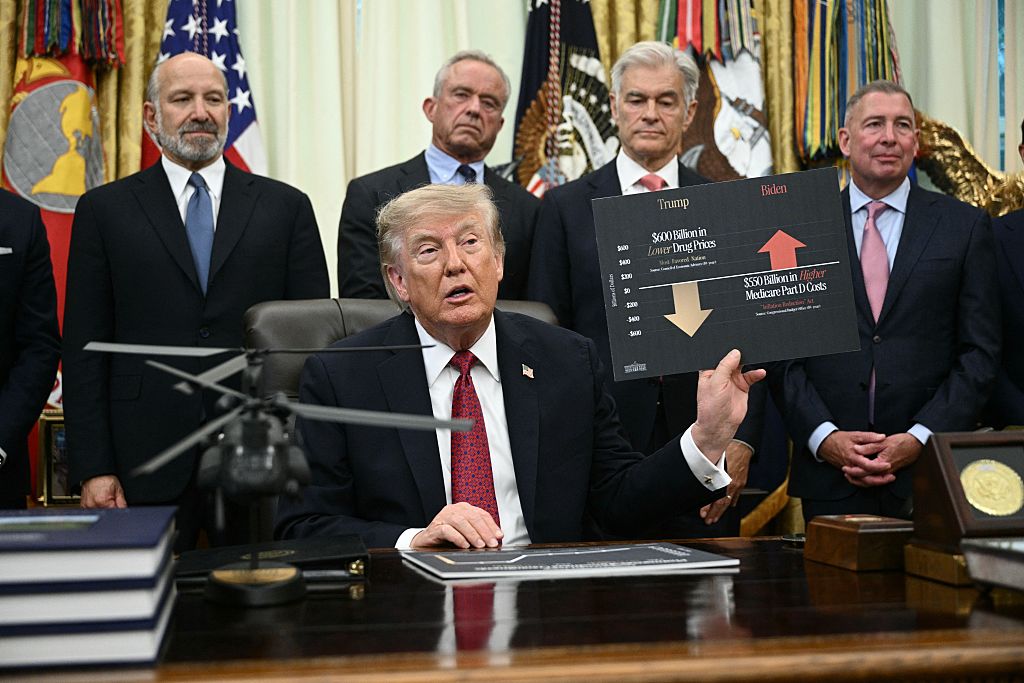
Trump Unveils New Drug Pricing Deals With 9 Pharmaceutical Companies
President Donald Trump on Aug. 31 announced agreements with nine midsize pharmaceutical...



Delcy Rodrguez Says Venezuelas Vast Oil Reserves Must Be Turned Into Prosperity
Oil rigs are pictured in Cabimas, south of Lake Maracaibo, Zulia State,...
