
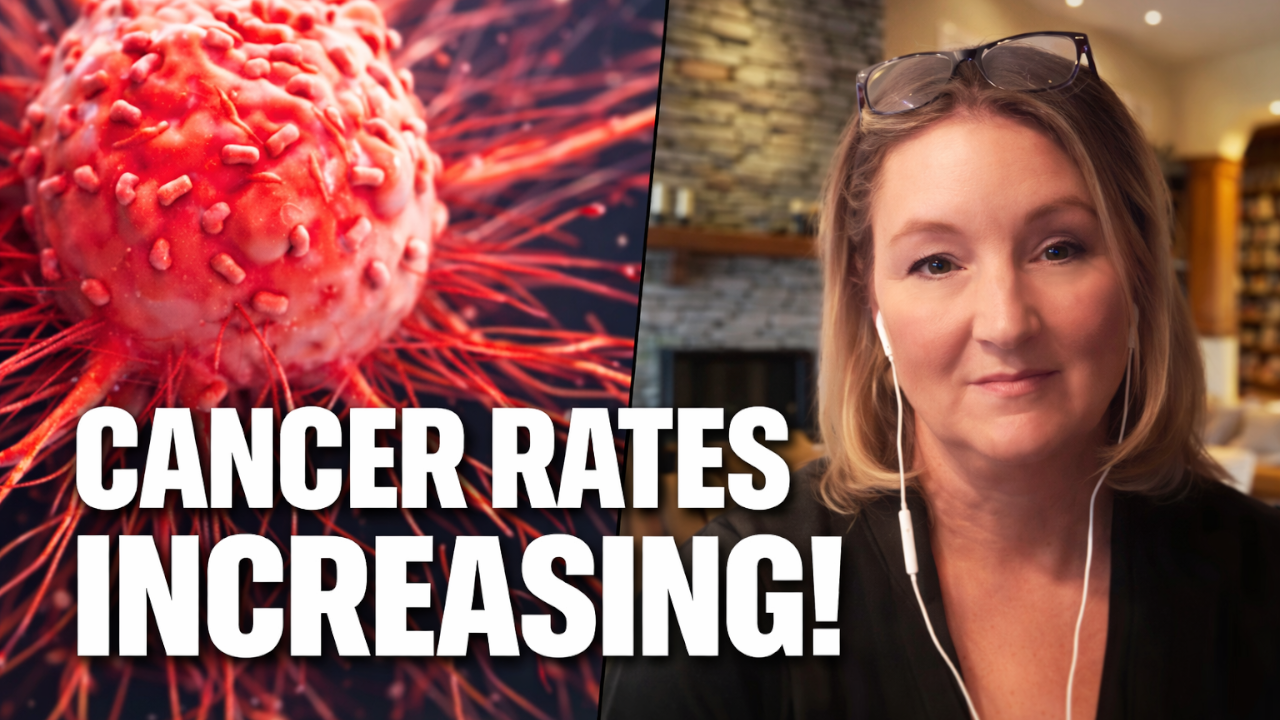
In this report, Deanna McLeod examines rising cancer trends in the wake of COVID-19 and the global pandemic response. Drawing on available administrative and registry data, she discusses how delayed care, disrupted screening programs, and late diagnoses may have contributed to increases in advanced cancer cases. The investigation also explores emerging scientific discussions around COVID, immune response, and spike protein research, while emphasizing the need for continued study and transparent analysis. Deanna McLeod presents current findings responsibly, encouraging viewers to consider multiple perspectives and rely on credible medical and scientific sources. This video focuses on understanding possible factors behind recent cancer increases, including healthcare disruptions during COVID, changes in patient access, and evolving biological research, without making definitive medical claims.For those of you who are short on time, this brief summary highlights the key points of the presentation.McLeod presents statistical data that reveals a clear pattern across multiple cancer indicators. Diagnostic billing codes dropped sharply in 2020, followed by noticeable increases in 2021 and 2022. Both administrative billing data and confirmed registry data show the same trajectory.She explains that the data also shows fewer cancers being diagnosed at early stages and more appearing at later stages. For cervical and breast cancers in particular, there was a reduction in stage-one diagnoses and a shift toward stage-two or more advanced disease.This shift may reflect cancers progressing untreated during periods when diagnostic capacity was reduced, but it could also indicate the emergence of more aggressive cancers.Related:McLeod identifies the widespread suspension of non-emergent (or non-emergency) care during lockdowns as a central failure of medical policy. Directives issued to hospitals and physicians halted screenings, imaging, biopsies, and many cancer surgeries.She explains that in Ontario alone hundreds of thousands of female cancer screenings were missed, along with thousands of surgeries. These disruptions created a backlog that continues to affect patients. The decline in diagnoses in 2020 likely reflects cancers that went undetected during that period.McLeod also points to a mismatch between projected and actual COVID hospitalizations. In Alberta, health authorities prepared for thousands of acute-care patients, but actual numbers were less than one percent of projections.Despite this, cancer services had already been suspended and resources redirected to wards that remained largely empty. This raises serious ethical and legal questions, particularly in a system where cancer patients are supposed to be guaranteed equitable access to care.Related:Beyond disruptions in care, McLeod raises concerns about the rapid development and deployment of COVID injections. The products were treated officially as vaccines, allowing them to bypass regulatory frameworks normally applied to gene therapies.Traditional vaccine development typically involves many years of safety data, while COVID “vaccines” were authorized under emergency conditions with fewer preclinical assessments. McLeod points to emerging studies that report statistically significant increases in cancer rates among “vaccinated” populations.New studies using updated data from millions of Ontario residents are now underway. McLeod explains that the aim is to better understand how delayed care, policy decisions, and COVID “vaccine” exposure may have interacted to influence cancer trends.Public health responses must always consider the full spectrum of consequences. A balanced, evidence-based approach, grounded in medical ethics and shared decision-making, is essential to prevent similar harms in the future. Related:Deanna McLeod is the founder of Kaleidoscope Strategic, an independent medical research firm that helps Canadian clinicians produce world-class, evidence-based reviews to advance patient care. With over 40 years of combined experience across oncology research, publishing, and the pharmaceutical sector, her team has contributed to numerous peer-reviewed publications guiding cancer treatment. In 2021, she launched COVID Sense to help the public interpret COVID data, later joining the Canadian COVID Care Alliance and supporting the We Can Do Better campaign, which focuses on restoring equity and ethics in cancer care.This oncologists panel was hosted and recorded by The World Council for Health. Healing After Harm Fundraiser Campaign (28% Raised)We need your support to launch our cutting-edge, evidence-based supplement line designed specifically to aid recovery, detoxification, and long-term prosperity for those affected by Covid-19 “vaccines”. These premium formulations draw on the latest independent research to empower healing, restore vitality, and build resilience for a healthier future.Help Our Cause








Wins of the Week 140 with Ted Kuntz
Questions around health, free speech, and public accountability came into sharp focus...
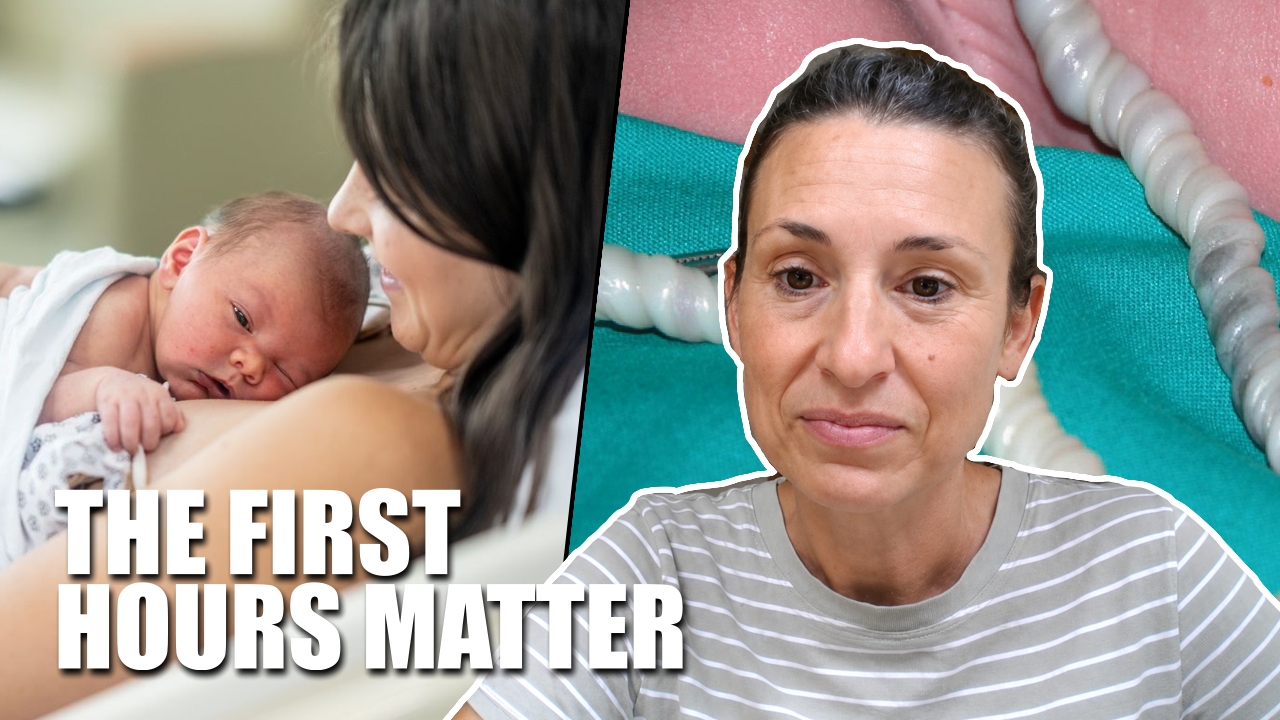
Understanding Routine Newborn Interventions – Kristen Nagle 3/3
Part 3 of 3 - In the final part of this interview,...
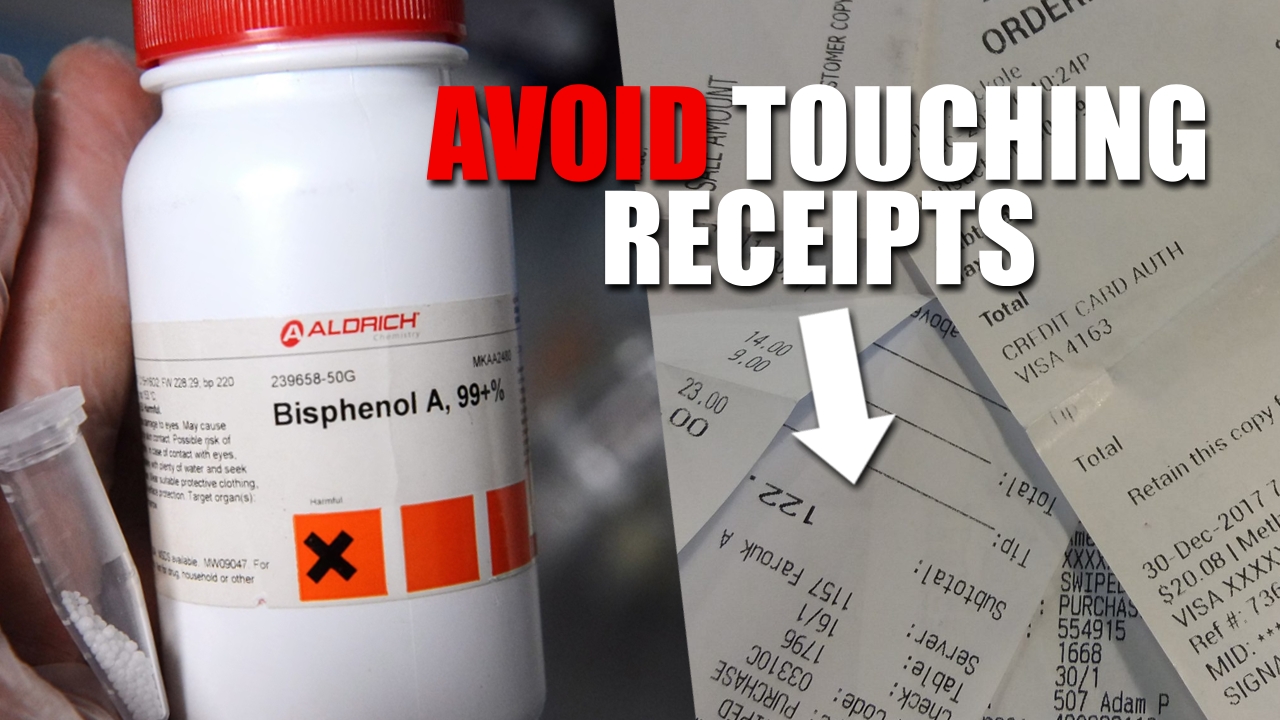
Are Thermal Paper Shopping Receipts Damaging Our Health?
Most of us think nothing of accepting a receipt at the checkout....



Wins of the Week 139 with Christof Plothe
Several important stories this week highlighted growing demands for transparency, legal accountability,...
