
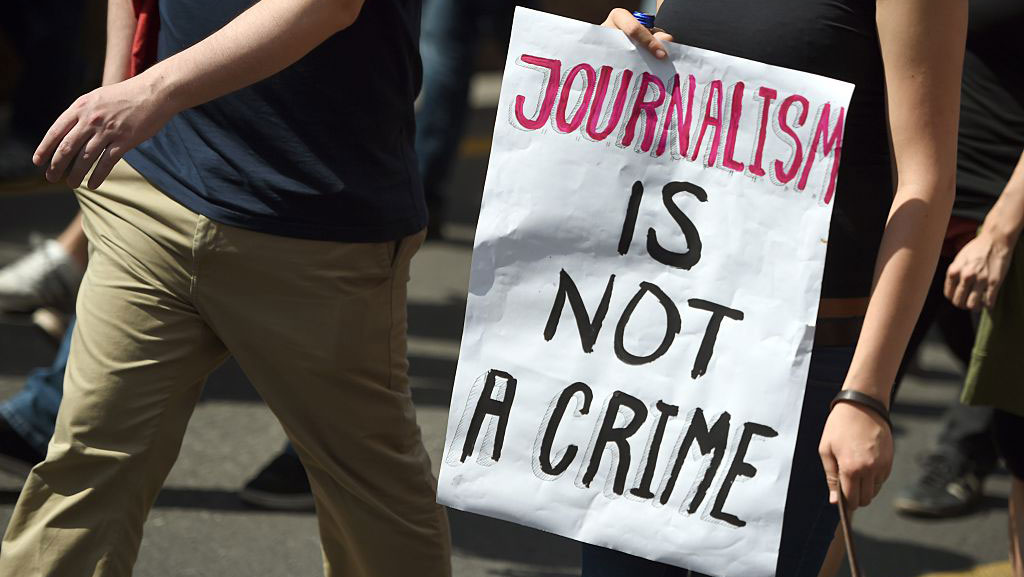
The freedom of speech and the independence of journalism are foundational pillars of democratic societies, enabling public accountability, informed citizenry, and the contestation of power. Yet, across the globe—within both established democracies and authoritarian regimes—governments have developed and refined a vast array of strategies to suppress dissent, control information, and shape public discourse. These strategies range from overt censorship and legal intimidation to more subtle forms such as media consolidation, economic pressure, and the weaponization of digital technologies. The rise of digital authoritarianism, the proliferation of disinformation, and the increasing use of surveillance technologies have further complicated the landscape, blurring the boundaries between legitimate regulation and repressive control.
This report provides a comprehensive analysis of how governments attempt to suppress free speech and control journalism, with a particular focus on the mechanisms employed, historical and contemporary case studies, and the broader implications for civil liberties and democratic accountability. Drawing on a wide range of sources and recent developments, the report examines both the overt and covert tools of repression, the resilience strategies of independent journalism, and the international frameworks designed to protect press freedom. A comparative table summarizes the approaches of key countries, and the report concludes with policy recommendations for safeguarding the independence of the press in an era of mounting challenges.
I. Mechanisms of Government Control Over Speech and Journalism
A. Surveillance and Digital Authoritarianism
The digital revolution has dramatically expanded the capacity of states to monitor, control, and manipulate information flows. Authoritarian regimes, and increasingly some democracies, have leveraged advanced surveillance technologies—such as artificial intelligence (AI), facial recognition, and mass data collection—to track citizens, suppress dissent, and preempt opposition movements. China’s “Great Firewall” and its AI-powered surveillance infrastructure exemplify the most sophisticated and pervasive model of digital authoritarianism, combining real-time monitoring, content filtering, and behavioral analysis to enforce ideological conformity and social control.
Russia has followed a similar trajectory, developing its own “sovereign internet” and deploying technical and legal tools to isolate its digital space, block foreign platforms, and surveil online activity. Iran, too, has invested heavily in digital repression, employing deep packet inspection, hacking, and targeted surveillance to monitor activists and journalists, both domestically and abroad.
The export of surveillance technologies by China and Russia to other authoritarian and hybrid regimes has globalized the threat, enabling governments in Myanmar, Ethiopia, Kazakhstan, and beyond to adopt similar systems of control. The recent leak of internal documents from China’s Geedge Networks has provided unprecedented insight into the technical sophistication and international reach of these censorship and surveillance tools, confirming their deployment in multiple countries and their capacity for granular, real-time monitoring of individual users.
The implications of digital authoritarianism are profound: it enables not only the suppression of dissent and the silencing of independent journalism but also the manipulation of public opinion, the targeting of minority groups, and the export of repressive norms to the global stage.
B. Censorship: Blocking, Takedowns, and Content Moderation
Censorship remains a central tool for governments seeking to control the narrative and suppress unwanted information. Traditional methods—such as the banning of publications, the seizure of printing presses, and the closure of media outlets—have been supplemented by digital techniques, including website blocking, DNS and IP filtering, and the forced removal of online content.
DNS and IP-based blocking, while technically straightforward, are blunt instruments that often result in collateral damage, restricting access to legitimate services and undermining trust in digital infrastructure. Governments frequently justify such measures on grounds of national security, public order, or the fight against disinformation, but the lack of transparency, due process, and proportionality raises serious concerns about their legitimacy and impact on fundamental rights.
In China, the “Great Firewall” employs a multi-layered approach, combining network-level filtering, service-level censorship (where platforms are required to self-police content), and the cultivation of self-censorship among users and companies. Enforcement is intentionally intermittent but consequential, creating a climate of uncertainty that encourages compliance and discourages dissent.
Russia’s “sovereign internet” law has enabled the government to throttle or block foreign platforms, disrupt VPNs, and promote domestic alternatives that are more easily controlled and monitored. Iran routinely shuts down the internet during periods of unrest, blocks access to foreign news sites, and criminalizes the use of unauthorized communication tools.
Even in democracies, content moderation policies—whether mandated by law or implemented by private platforms under government pressure—can result in the over-removal of legitimate speech, the suppression of minority voices, and the chilling of investigative journalism.
C. Legal Mechanisms: Laws, Licensing, and ‘Fake News’ Statutes
Legal frameworks are among the most potent instruments for suppressing free speech and controlling journalism. Governments have enacted a proliferation of laws targeting “fake news,” disinformation, hate speech, and threats to national security—often with vague definitions and broad discretionary powers that enable selective enforcement.
Between 2011 and 2022, at least 78 countries adopted laws aimed at combating disinformation, with a sharp increase during the COVID-19 pandemic. While some of these laws focus on transparency and media literacy, many criminalize the creation or dissemination of “false information,” impose heavy fines and prison sentences, and require the removal or correction of content deemed objectionable by authorities. Such measures have led to the arrest and imprisonment of hundreds of journalists worldwide.
Licensing regimes are another powerful tool. In many countries, media outlets and journalists must obtain government approval to operate, with licenses subject to revocation for perceived violations. In Iran, for example, the Ministry of Culture and Islamic Guidance, in conjunction with state broadcasters, exercises strict control over who can publish or broadcast, effectively excluding independent and critical voices.
Defamation, sedition, and anti-terrorism laws are frequently weaponized to target journalists, activists, and opposition figures. Strategic Lawsuits Against Public Participation (SLAPPs), criminal defamation suits, and “foreign agent” laws have become common tactics for draining the resources of independent media and deterring investigative reporting.
D. Media Consolidation and Economic Pressure
Media consolidation—the concentration of media ownership in the hands of a few government-aligned or corporate actors—poses a grave threat to the independence and diversity of journalism. In Hungary, for example, over 80% of media outlets are now controlled by allies of the ruling Fidesz party, with state advertising and regulatory favoritism used to reward loyal outlets and marginalize critics. Serbia has followed a similar path, with privatization and regulatory capture handing control of major outlets to government supporters.
Economic pressure is also exerted through the selective allocation of state advertising, the withdrawal of government contracts, and the use of tax audits and financial investigations to harass independent media. In India, the withdrawal of government advertising and the threat of tax raids have been used to punish critical outlets and incentivize self-censorship.
The consequences of media consolidation are manifold: the narrowing of the public sphere, the amplification of government propaganda, the marginalization of dissenting voices, and the erosion of public trust in the media.
E. Disinformation, Propaganda, and State-Sponsored Influence Operations
Governments increasingly deploy disinformation and propaganda—both domestically and internationally—to shape public opinion, undermine critics, and influence foreign audiences. Authoritarian regimes such as China and Russia have developed sophisticated state-sponsored influence operations, employing troll farms, bots, and coordinated campaigns to amplify preferred narratives, discredit opponents, and sow confusion.
China’s “50 Cent Party” and “Internet Water Army” are tasked with flooding social media with pro-government content, while Russia’s Internet Research Agency and related entities have targeted elections and public debates in multiple countries. Iran, India, and other states have also been implicated in the use of troll armies and fake news networks to attack critics and manipulate discourse.
Disinformation is not limited to authoritarian regimes. Populist leaders in democracies have increasingly adopted similar tactics, denouncing critical media as “enemies of the people,” promoting conspiracy theories, and leveraging state resources to favor friendly outlets.
The proliferation of disinformation undermines public trust, polarizes societies, and creates an environment in which independent journalism struggles to compete with state-sponsored narratives.
F. Legal Intimidation and ‘Lawfare’ Against Journalists and Lawyers
Legal intimidation—often referred to as “lawfare”—has become a central strategy for silencing journalists and their defenders. Governments and powerful actors file frivolous lawsuits, exploit vague or overly broad laws, and use legal processes to drain the resources and morale of targeted individuals and organizations. Criminalization, professional sanctions, and even violence are deployed against lawyers who defend journalists, further eroding the rule of law and access to justice.
The chilling effect of lawfare is profound: it not only deters critical reporting but also isolates journalists from legal support, undermines the independence of the legal profession, and signals to others the risks of challenging power.
G. Surveillance, Hacking, and Digital Targeting of Journalists
The use of spyware, hacking, and digital surveillance to target journalists has escalated dramatically in recent years. Tools such as NSO Group’s Pegasus spyware have been deployed by governments to infiltrate the devices of journalists, activists, and opposition figures, enabling the interception of communications, the identification of sources, and the orchestration of harassment and violence.
Recent investigations have documented the targeting of journalists in Serbia, Russia, Latvia, Belarus, and beyond, with evidence of state involvement and a lack of accountability for abuses. The threat of digital surveillance not only endangers individual journalists but also undermines the confidentiality of sources and the integrity of investigative reporting.
H. Self-Censorship and Editorial Capture
Self-censorship—the voluntary suppression of information or opinions by journalists and media outlets out of fear of reprisal, economic loss, or social ostracism—has become a pervasive phenomenon, even in democratic societies. The threat of legal action, economic pressure, or physical harm incentivizes journalists to avoid sensitive topics, tone down criticism, or refrain from investigative reporting.
Editorial capture occurs when media outlets, either through ownership changes or regulatory pressure, align their editorial policies with government interests, marginalizing dissenting voices and narrowing the scope of public debate.
The consequences of self-censorship are insidious: the erosion of pluralism, the impoverishment of public discourse, and the weakening of democratic accountability.
II. Historical and Contemporary Case Studies
A. United States: Historical and Contemporary Pressures
1. Early Republic and Civil War
The United States, often celebrated as a bastion of free speech, has a complex history of government suppression of the press. The Alien and Sedition Acts of 1798 criminalized criticism of the federal government, leading to the prosecution and imprisonment of opposition journalists. During the Civil War, Union authorities arrested editors and shut down newspapers deemed disloyal or subversive, justifying such actions on grounds of military necessity.
2. World Wars and the Red Scare
During World War I, the Espionage Act of 1917 and the Sedition Act of 1918 were used to prosecute antiwar and radical newspapers, revoke mailing privileges, and suppress dissenting voices. The Red Scare and McCarthy era saw further attacks on journalists and media outlets accused of subversion or communist sympathies.
3. Contemporary Pressures
In recent years, the United States has witnessed renewed threats to press freedom. The Trump administration vilified the press, threatened to change libel laws, and undermined public trust in the media. The Biden administration, while strengthening some protections, has continued prosecutions under the Espionage Act and pursued cases that risk criminalizing routine newsgathering, such as the prosecution of Julian Assange and journalist Tim Burke.
Media consolidation has accelerated, with mega-conglomerates controlling vast swathes of the news landscape and economic pressures leading to layoffs, closures, and the marginalization of local journalism. The rise of strategic lawsuits, subpoenas, and surveillance of journalists has further complicated the environment.
B. India: Media Capture, Disinformation, and Regulatory Pressure
India’s media landscape is vast and diverse, but in recent years it has come under increasing pressure from both the government and corporate interests. Since Prime Minister Narendra Modi took office in 2014, India has dropped precipitously in the World Press Freedom Index, with journalists facing raids, arrests, and intimidation for critical reporting.
The government has selectively granted or revoked licenses, withdrawn advertising from critical outlets, and used tax investigations to punish dissent. The rise of “Godi media”—outlets perceived as lapdogs of the ruling party—has narrowed the space for independent journalism, while disinformation campaigns and foreign influence operations (notably from China) have further muddied the information environment.
Journalists covering sensitive topics, such as Kashmir or government corruption, have faced legal harassment, violence, and even death. The use of colonial-era sedition laws and new regulations targeting “fake news” have created a climate of fear and self-censorship.
C. Hungary and Serbia: Media Consolidation and Political Control
Hungary under Viktor Orbán has become a textbook case of democratic backsliding through media capture. Since 2010, Orbán’s Fidesz party has orchestrated the consolidation of over 80% of media outlets under government-aligned ownership, using state advertising, regulatory favoritism, and legal intimidation to marginalize independent voices.
Public broadcasters have become government mouthpieces, opposition politicians are denied meaningful airtime, and pro-government narratives dominate both traditional and digital media. The creation of the KESMA foundation, which brought hundreds of outlets under a single, loyalist umbrella, has cemented this control.
Serbia has followed a similar path, with privatization handing control of major outlets to allies of President Aleksandar Vučić, the use of tax harassment and defamation suits to intimidate critics, and the deployment of spyware and surveillance against investigative journalists.
D. China: The Great Firewall, Social Credit, and Xinjiang Surveillance
China represents the most advanced and comprehensive model of centralized media control. The “Great Firewall” blocks access to foreign websites, censors domestic content, and employs AI and machine learning to detect and suppress dissent. The social credit system sanctions and publicly shames individuals for perceived ideological nonconformity, while the surveillance infrastructure in Xinjiang combines facial recognition, biometric data, and predictive policing to monitor and repress the Uyghur population.
China’s censorship system is multi-layered, involving network-level filtering, platform-level self-censorship, and the cultivation of self-censorship among users and companies. Enforcement is intentionally unpredictable, creating a climate of uncertainty and compliance.
China has also become the leading exporter of surveillance and censorship technologies, providing tools and training to authoritarian regimes worldwide.
E. Russia: Sovereign Internet, Legal Repression, and Propaganda
Russia has systematically expanded its control over the internet and media, enacting the “sovereign internet” law to enable the isolation of its digital space, the blocking of foreign platforms, and the promotion of domestic alternatives. The government has blocked thousands of websites, throttled VPNs, and pressured tech companies to comply with censorship demands.
Legal repression is widespread, with journalists prosecuted under “fake news” and anti-extremism laws, and independent outlets labeled as “foreign agents” or forced to close. State-sponsored propaganda and disinformation campaigns target both domestic and foreign audiences, amplifying government narratives and undermining critics.
The use of spyware and digital surveillance against journalists and activists has escalated, with evidence of Pegasus and other tools being deployed against exiled and domestic reporters.
F. Iran: Internet Control, Arrests of Journalists, and Cyber Tactics
Iran maintains strict control over the media through licensing, censorship, and the criminalization of dissent. The Ministry of Culture and Islamic Guidance, in conjunction with state broadcasters, determines who can publish or broadcast, effectively excluding independent voices.
Journalists face harassment, arrest, and prosecution under vague charges such as “spreading false information” or “propaganda against the state.” The use of spyware, hacking, and surveillance is widespread, and the government routinely shuts down the internet during periods of unrest or conflict.
The recent war with Israel saw the arrest of journalists, the blocking of independent outlets, and the criminalization of contact with foreign media. The forced closure of journalists’ associations and the targeting of “citizen journalists” have further narrowed the space for independent reporting.
III. Comparative Table: Country-by-Country Approaches to Media Control
| Country | Mechanisms Used | Regime Type | Notable Examples |
|---|---|---|---|
| Hungary | Media consolidation, state advertising, legal pressure, disinformation | Democratic backsliding | 80% media owned by government allies; KESMA; Soros disinformation campaigns |
| Serbia | Media ownership changes, tax harassment, defamation suits, public broadcaster control | Democratic backsliding | Tax raids on Juzne Vesti; defamation suits by ministers; RTS bias |
| India | Licensing restrictions, intimidation, “antinational” rhetoric | Democracy | Selective TV licenses; raids on journalists; pro-Modi media bias |
| United States | Vilification of press, threats to libel laws, erosion of public trust | Democracy | Trump’s attacks on media; threats to revoke licenses |
| China | Censorship, surveillance, foreign media influence, diaspora control | Authoritarian | Great Firewall; StarTimes; WeChat censorship; China Watch advertorials |
| Russia | Internet blocking, legal repression, propaganda | Authoritarian | Telegram ban; state media dominance |
| Iran | Internet control, arrests of journalists, cyber tactics | Authoritarian | Internet shutdowns; journalist detentions |
| Venezuela | Media repression, blackout, tech-based resistance | Authoritarian | Electricity blackouts; low-bandwidth video tools; community reporting |
| Sudan | Arrests, censorship, social media blocks | Authoritarian (transitioning) | NISS trolls; social media blocks; citizen journalism |
| Ethiopia, Malaysia, Armenia, Ecuador, The Gambia | Media liberalization post-authoritarianism | Democratizing | Return of exiled journalists; independent outlets rebounding |
Source: Freedom House, 2019; updated with recent developments
This table illustrates the diversity of mechanisms employed by governments across regime types, highlighting the convergence of tactics—such as media consolidation, legal repression, and digital censorship—in both democratic and authoritarian contexts.
IV. Implications for Civil Liberties and Democratic Accountability
A. Erosion of Civil Liberties
The suppression of free speech and the control of journalism have direct and far-reaching consequences for civil liberties. The right to freedom of expression, enshrined in international human rights instruments such as Article 19 of the Universal Declaration of Human Rights and the International Covenant on Civil and Political Rights, is foundational to the exercise of other rights and the functioning of democracy.
When governments restrict speech, criminalize dissent, and silence independent journalism, they undermine the ability of citizens to access information, participate in public debate, and hold power to account. The chilling effect of surveillance, legal intimidation, and economic pressure leads to self-censorship, the narrowing of public discourse, and the marginalization of minority and opposition voices.
The targeting of journalists, lawyers, and human rights defenders with violence, harassment, and legal sanctions further erodes the rule of law and creates a climate of fear and impunity.
B. Democratic Backsliding and the Breakdown of Accountability
The decline of media freedom is both a symptom and a driver of democratic backsliding. As governments capture or co-opt the media, manipulate information, and suppress dissent, they weaken the institutions and norms that sustain democratic accountability.
The consolidation of media ownership, the marginalization of independent outlets, and the proliferation of disinformation undermine the ability of citizens to make informed choices, scrutinize government actions, and participate meaningfully in public life.
The erosion of press freedom is closely linked to broader declines in civil liberties, the rule of law, and political pluralism. As Freedom House and other organizations have documented, countries experiencing media repression are often those undergoing wider democratic regression.
C. The Role of Independent Journalism and Resistance Strategies
Despite mounting challenges, independent journalism continues to play a vital role in exposing abuses, informing the public, and resisting authoritarian encroachment. Citizen journalism, alternative media, and exile-based outlets have emerged as critical counterforces to censorship and propaganda, particularly in contexts where traditional media are captured or suppressed.
Digital tools, encryption, and international networks have enabled journalists to circumvent censorship, document abuses, and collaborate across borders. Organizations such as Forbidden Stories, the Committee to Protect Journalists, and the Thomson Reuters Foundation provide legal, technical, and security support to journalists at risk.
Legal defense funds, rapid response mechanisms, and international advocacy have helped to challenge lawfare, defend press freedom, and hold governments accountable for abuses.
However, the risks remain high, and the resilience of independent journalism depends on sustained support from civil society, international organizations, and democratic governments.
V. International Norms, Legal Protections, and Human Rights Frameworks
International law and human rights frameworks provide important protections for freedom of expression and the independence of the press. Article 19 of the Universal Declaration of Human Rights and the International Covenant on Civil and Political Rights guarantees the right to seek, receive, and impart information and ideas through any media.
The UN Basic Principles on the Role of Lawyers affirm the right of lawyers to perform their duties without intimidation or interference, and the importance of an independent legal profession for the protection of human rights.
Regional instruments, such as the European Convention on Human Rights, and international mechanisms, such as the UN Plan of Action on the Safety of Journalists, provide additional safeguards and avenues for redress.
However, the effectiveness of these frameworks depends on political will, enforcement, and the ability of civil society to mobilize in defense of fundamental rights.
VI. Policy Responses and Recommendations
In light of the mounting threats to free speech and independent journalism, a multi-faceted and coordinated response is essential. The following recommendations are drawn from leading human rights organizations, press freedom advocates, and recent policy analyses:
- Strengthen Legal Protections for Journalists and Lawyers: Governments should repeal or amend laws that criminalize legitimate speech, restrict licensing, or enable arbitrary censorship. Legal frameworks should be aligned with international human rights standards, ensuring that restrictions on expression are necessary, proportionate, and subject to independent judicial review.
- Combat Media Consolidation and Promote Pluralism: Regulatory bodies should enforce antitrust laws, limit media concentration, and support the development of independent and community media. State advertising and subsidies should be allocated transparently and fairly, without political favoritism.
- Enhance Transparency and Accountability in Content Moderation: Governments and platforms should ensure that content moderation policies are transparent, consistent, and subject to independent oversight. Blocking and takedown measures should be narrowly tailored, time-limited, and accompanied by clear notification and redress mechanisms.
- Protect Against Surveillance and Digital Repression: Export controls, sanctions, and international cooperation should be used to limit the proliferation of surveillance technologies to regimes with poor human rights records. Journalists and civil society should be supported with training, tools, and resources to enhance digital security and resilience.
- Support Legal Defense and Rapid Response Mechanisms: Legal aid, emergency funds, and international networks should be expanded to defend journalists and lawyers facing lawfare, harassment, or violence. Bar associations and professional organizations should monitor and denounce attacks on the legal profession.
- Promote Media Literacy and Counter Disinformation: Governments, civil society, and educational institutions should invest in media literacy, fact-checking, and public awareness campaigns to build resilience against disinformation and propaganda.
- Defend and Expand International Norms: Democratic governments should lead by example, uphold their own commitments to press freedom, and support international mechanisms for monitoring, reporting, and accountability. Diplomatic pressure, targeted sanctions, and support for civil society should be deployed to hold authoritarian regimes accountable for abuses.
- Foster Innovation and Support Alternative Media: Funding, training, and technical support should be provided to independent, nonprofit, and exile-based media, as well as to citizen journalists and new digital platforms that can circumvent censorship and reach marginalized audiences.
Conclusion
The suppression of free speech and the control of journalism by governments—whether through overt censorship, legal intimidation, economic pressure, or digital repression—pose a grave threat to civil liberties, democratic accountability, and the public’s right to know. While the mechanisms of control have become more sophisticated and globalized, the resilience of independent journalism, the mobilization of civil society, and the defense of international norms remain vital counterforces.
The challenge is urgent and ongoing. Protecting press freedom requires not only vigilance and solidarity but also concrete policy action, legal reform, and sustained support for those who risk their lives and livelihoods to speak truth to power. In the words of the UN Special Rapporteur on freedom of expression, “The decline of media freedom and the rise in threats to the safety of journalists is a worldwide trend, most sharply evident in backsliding democracies and recalcitrant totalitarian States”. The defense of free speech and independent journalism is, ultimately, the defense of democracy itself.








One Man Against the Giants: Donald Trump’s Fearless Drive to Reshape America
In an era where many citizens feel shackled by the influence of...

The False Idol of Greed
Greed has been enthroned as the engine of progress, the supposed proof...

Help This Hero That Gave His Life For Your Freedom – David Romlewski’s Widow Continue His Supreme Court Battle
You need to watch this !!! https://thealliancepress.com/wp-content/uploads/2025/11/179K-views-·-6K-reactions-_-Help-David-Romlewskis-Widow-Continue-His.mp4 Help David Romlewski’s Widow Continue...


Reiner Fuellmich – A Courageous Voice for Justice
Reiner Fuellmich – A Courageous Voice for Justice in the Aftermath...
