

“This ‘induce dependency, then weaponize it’ strategy is a hallmark of hybrid economic warfare,” says Scott McGregor, an author and intelligence professional.
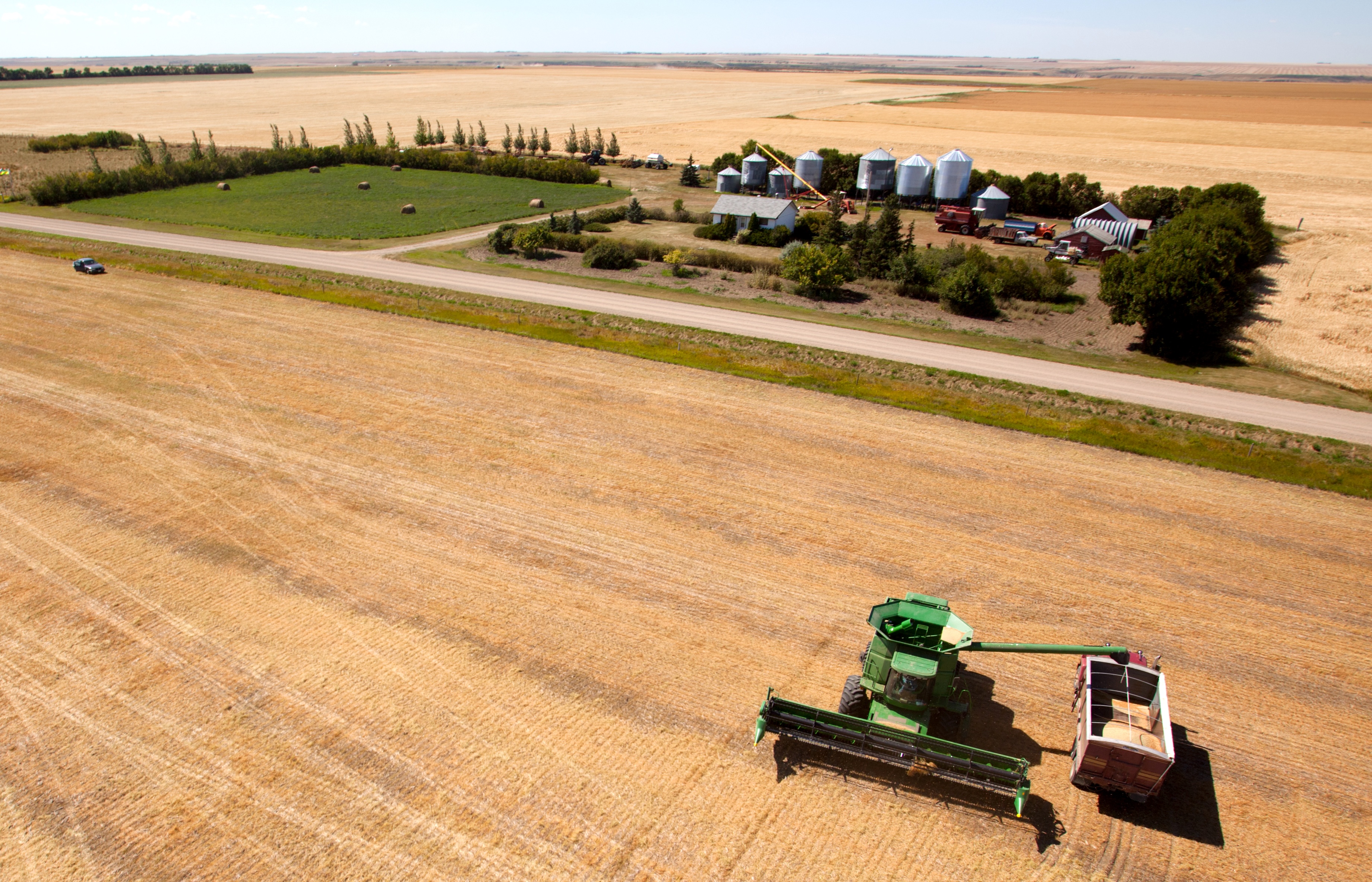
Experts say China exploits regional economies, such as in the agricultural sector, to advance its interests by sowing divisions and creating political pressure. Tyler Olson/Shutterstock
|
Updated:
Prime Minister Pierre Trudeau’s effort to forge diplomatic ties with the Chinese Communist Party (CCP) in 1970 proved highly consequential, opening the floodgates for other Western Bloc nations to follow suit and bringing the regime out of isolation. But another move made by Canada years earlier has continued to entangle its relationship with the communist regime.
In 1958, as millions were starving to death in China due to the famine caused by CCP leader Mao Zedong’s disastrous Great Leap Forward, China bought a small amount of grain from Canada, which Ottawa took note of as a sign of an emerging market. And after two Chinese agents who visited Canada in 1960 struck a deal for wheat worth $60 million, the government of John Diefenbaker, a self-declared staunch anti-communist, seized the opportunity to forge a $420 million deal for wheat and barley exports to China.