
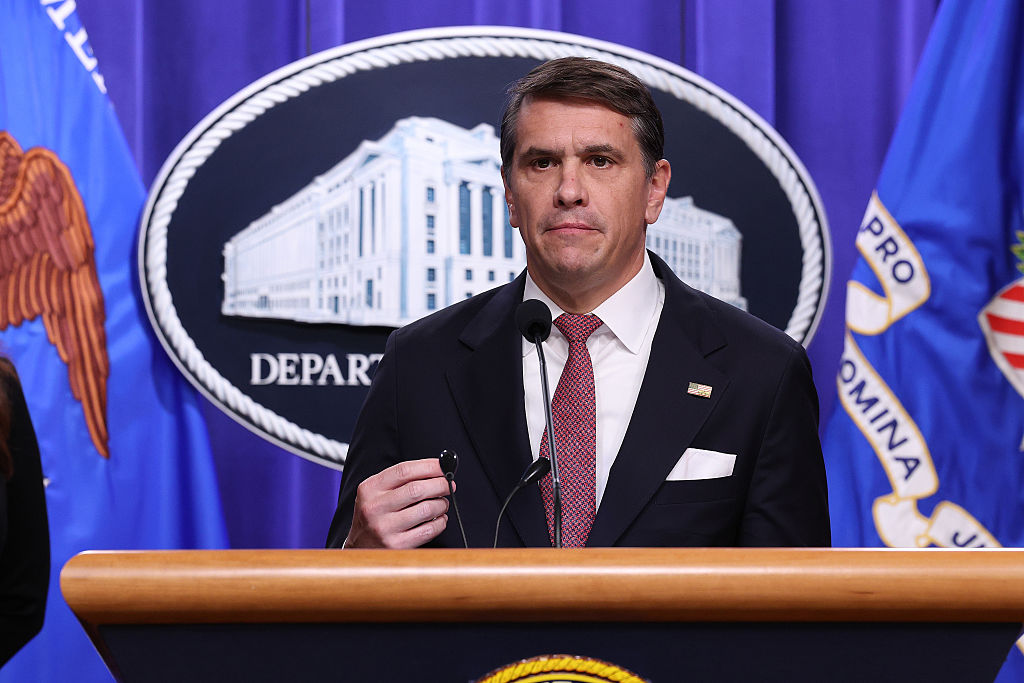
Acting Attorney General Todd Blanche on Aug. 5 announced the Justice Department had unsealed indictments against five high-ranking members of a notorious Mexican drug cartel, and established a $100 million reward fund for information leading to their capture.The defendants included Julio Alberto Castillo Rodriguez and Hugo Gonzalo Mendoza Gaytán, who are accused of trafficking tons of methamphetamine and cocaine into the United States for the Jalisco New Generation Cartel—better known by its Spanish acronym CJNG—along with firearm charges.Gaytán also trained the cartel’s hired assassins, Drug Enforcement Administration (DEA) head Terry Cole said.Julio César Montero Carlos Pinzón—aka Tarjetas—and Carlos Andrés Rivera Varela are accused of utilizing those assassins to control communities and government officials through threats of violence, Cole added.The fifth defendant, Ricardo Ruiz Velasco, is accused of trafficking heroin and fentanyl to the United States.The indictments come as the United States looks to curtail activities of the CJNG. President Donald Trump designated the group as an international terrorist organization in February 2025.The cartel’s former leader, El Mencho, was killed when Mexican authorities tried to capture him earlier this year. His stepson, Juan Carlos Valencia Gonzalez, aka Palon, has taken his place.The CJNG’s ability to quickly regroup showed the group’s resilience and the threat its continues to pose, Cole told reporters at a Justice Department press conference.“They are relentless, but so is DEA,” he said.Last Friday, El Mencho’s brother, Antonio Oseguera Cervantes, pleaded guilty to drug and weapons charges. In April, CJNG co-founder Erick Valencia Salazar also pleaded guilty to narcotics charges.New monetary awards offered for the capture of some high-ranking cartel members range from $2 million to $15 million each, according to Ambassador Michael Gonzalez, Deputy Assistant Secretary of State for International Narcotics and Law Enforcement.The bounty for Palon has been bumped up to $25 million.He said such rewards had proven “highly effective tools” in the Justice Department’s mission to bring narco-terrorists to justice, noting that more than $200 million had been paid out for the capture of over 90 suspects.The State Department is also eyeing 65 “family members or close associates to persons linked to CJNG,” by preventing them from entering the United States, Gonzalez said. Twenty-six of those individuals have had their U.S. visas revoked.In addition to drug trafficking, the cartel is accused of running complex, multilayered fraud operations, often against the elderly. Cartel members would cold-call potential victims, offering to rent out or sell timeshares they’d purchased in Mexico for a fee.In one instance, an 83-year-old man was victimized over and over by such a scheme, Assistant Attorney General of the Criminal Division Tysen Duva said.Phony lawyers offered to get his money back, sending fake credentials and websites to back up their claims. Cartel members then impersonated government officials, at first demanding extra fees, then charging the victim criminal and civil fines for making payments to a cartel.The scam went on for eight years and cost the man hundreds of thousands of dollars, Duva said.Between 2019 and 2023, more than 6,000 Americans were taken for more than $400 million dollars, he added. The cartel allegedly used profits from such scams to fund its narcotics operations.








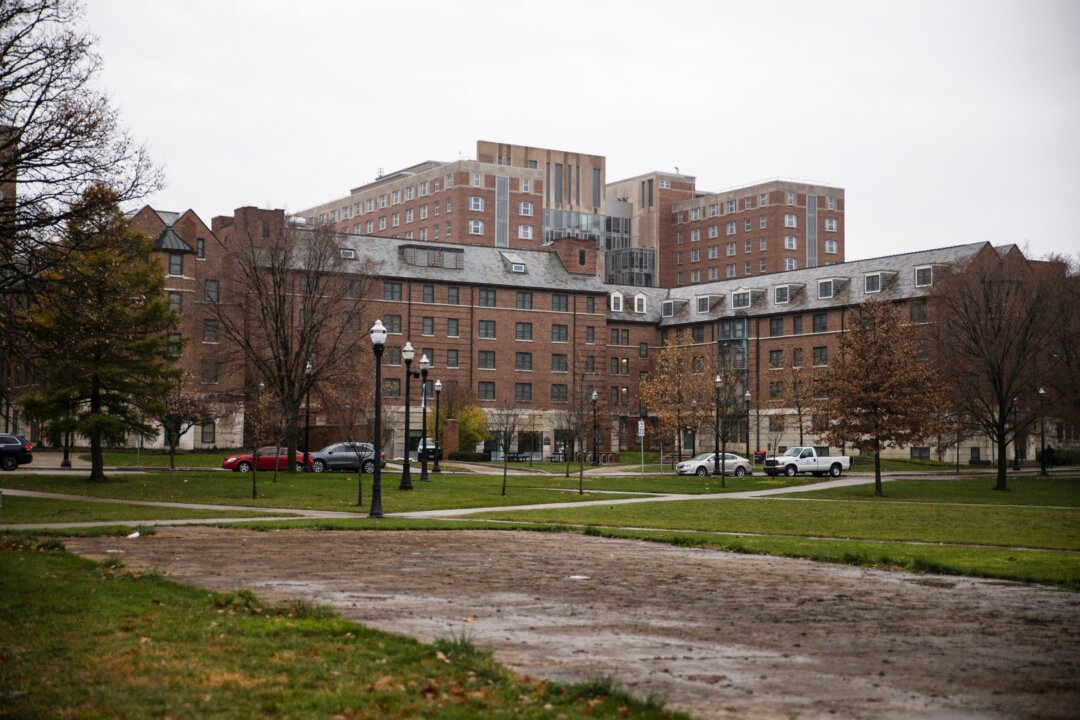
Ohio State Agrees to $2.1 Million Federal Settlement Over Undisclosed China Research Ties
Ohio State University has agreed to pay $2.1 million to resolve federal...
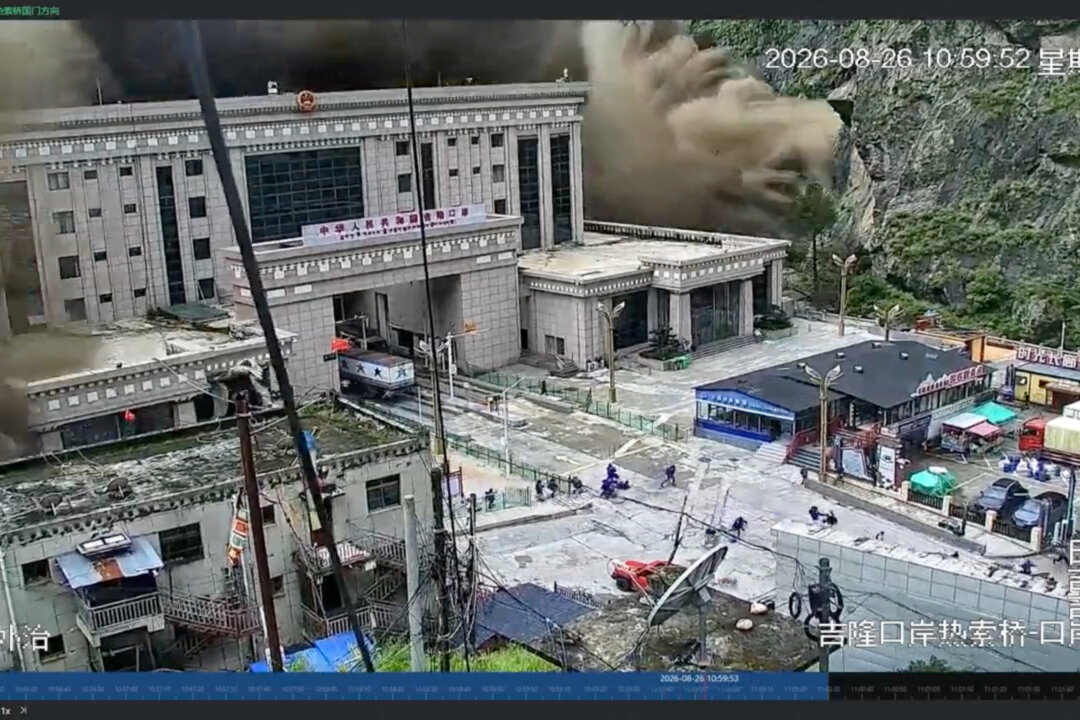
Chinese Scientists Flagged Glacial Flood Danger One Year Before Nepal Catastrophe
More than a year before the catastrophic flash flood devastated the China–Nepal...
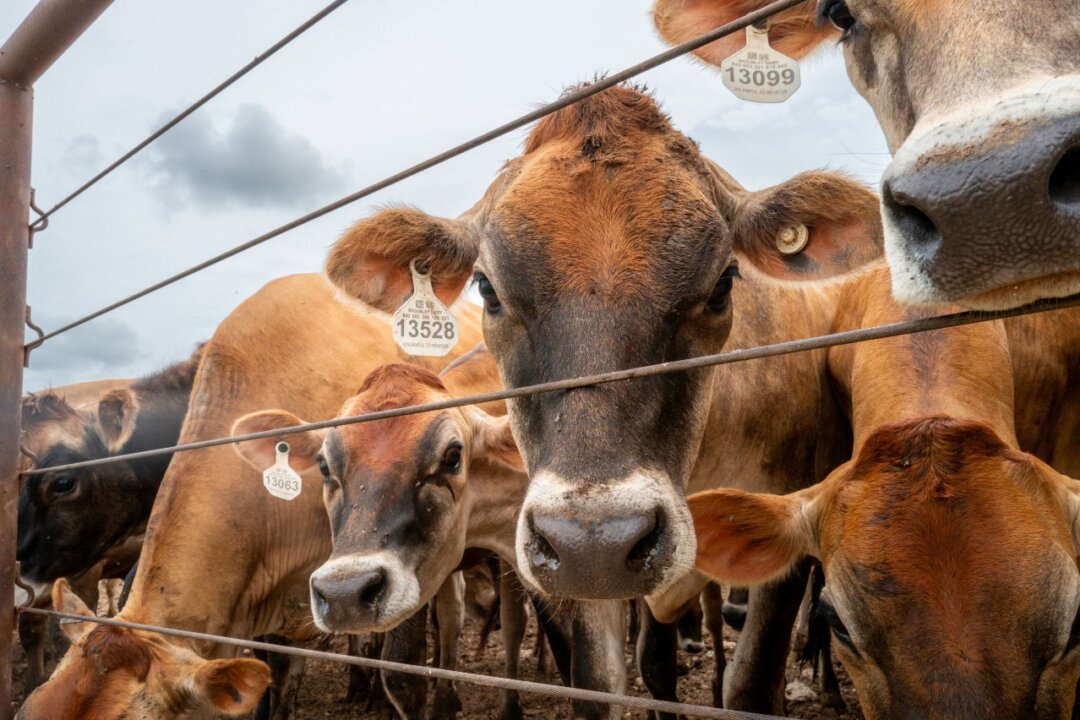
USDA Unveils New Support for Ranchers to Rebuild Cattle Herds
The U.S. Department of Agriculture has unveiled a new package of measures...
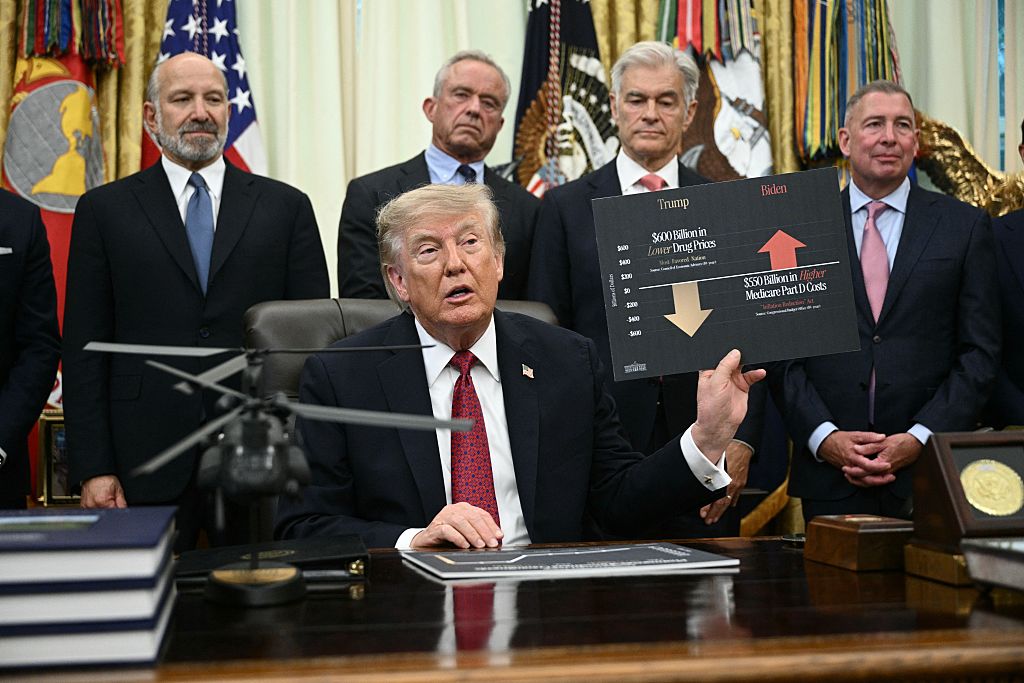


Trump Unveils New Drug Pricing Deals With 9 Pharmaceutical Companies
President Donald Trump on Aug. 31 announced agreements with nine midsize pharmaceutical...
