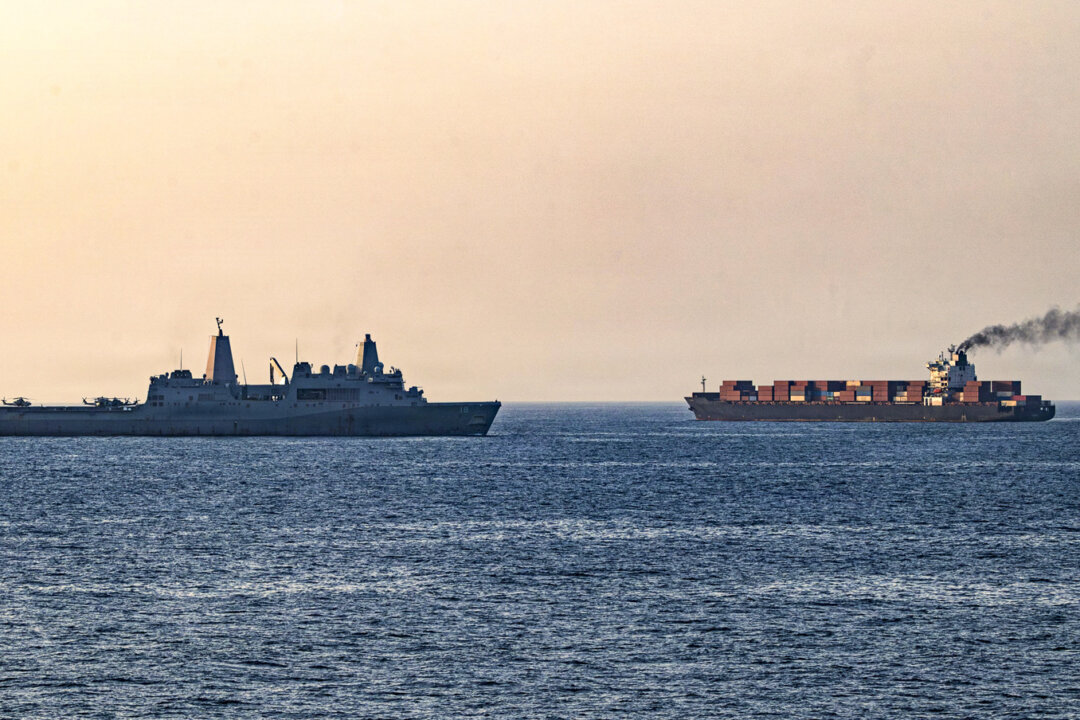
Brent crude oil futures prices rose on Thursday following a significant decline on Wednesday.Brent futures settled at $94.62 per barrel on Wednesday, down 8.7 percent. On Thursday, they were trading at $96.88 around 11:00 a.m. ET, up about 2.4 percent.The modest recovery reflected the unresolved situation in the Middle East, said Giovanni Staunovo, commodity analyst at UBS.More volatility is likely because the path to a diplomatic end to the war remains uncertain, and global strategic reserves have been drawn very thin, said June Goh, senior oil analyst at Sparta Commodities.Democrats flipped both the House of Representatives and Senate in Tuesday’s midterm elections. Vice President JD Vance blamed the U.S. war with Iran for Republican losses, and President Donald Trump told reporters Vance’s assessment was largely true because the war drove up gasoline prices.The Democratic win has increased hopes for a quicker end to the conflict, Warren Patterson, head of commodities strategy at ING Bank, and Ewa Manthey, commodities strategist at ING, said in a Nov. 5 noteThey said lawmakers are likely to scrutinize the war more closely and that funding it could become harder, though the new Congress doesn’t take office until January, leaving room for escalation. Absent escalation, the oil market is likely to keep giving back the risk premium it built in recent months, they said, adding that the selloff appeared overdone.Iran’s Qeshm Island, the biggest island in the Persian Gulf, was hit by the U.S. military on the night of Nov. 2, Trump said, a day prior to the elections, with the strikes targeting an Iranian anti-aircraft facility.House Minority Leader Hakeem Jeffries (D-N.Y.) said in a Nov. 4 letter to colleagues that House Democrats must act during their first 100 days in the majority to stop the war.The national average price for a gallon of regular gasoline was $4.10 on Thursday, down by more than two cents from the previous day, according to data from the American Automobile Association. Prices were at almost $3.08 per gallon a year ago.The national average gas price could drop to $3.65 per gallon in the weeks ahead, with diesel falling to $5.50, based on Wednesday’s close, Patrick De Haan, head of petroleum analysis at GasBuddy, said in a post on X. He said retail prices would begin reflecting the steep wholesale losses on Thursday and Friday.A gallon of diesel cost an average of $6.29 for the week ending Nov. 2, according to data from the Federal Reserve Bank of St. Louis.Despite Brent crude oil futures prices declining in recent days, prices are still above the roughly $72 per barrel closing price on Feb. 27, the day before the U.S.–Iran war began. The war triggered an upsurge in energy prices.One of the factors for elevated oil prices is that shipments through the Strait of Hormuz have been disrupted since the war began. Roughly 25 percent of global seaborne oil trade typically flowed through the strait prior to the conflict, according to the International Energy Agency (IEA).Vessel traffic through the strait edged up in October to its highest monthly level since July, but crude tanker movements fell, and security incidents continued, according to S&P Global.International Maritime Organization Secretary-General Arsenio Dominguez told reporters on Nov. 2 that he could not guarantee it was safe to transit the Strait of Hormuz amid uncertainty over possible naval mines, and that the organization was not recommending anyone go through.Soaring shipping costs are also contributing to elevated oil prices on top of supply disruptions, International Energy Agency analysts said in an Oct. 21 commentary. Higher freight rates have made it far more expensive to move crude and oil products, and for some refiners, especially in Asia, they can mean the difference between a profit and a loss, the IEA analysts said.Oil exports from the Persian Gulf have surpassed pre-conflict levels, Treasury Secretary Scott Bessent said in an Oct. 23 post on X. A Treasury chart attached to the post showed crude and condensate exports through the Strait of Hormuz, Oman and Fujairah ports, and the Red Sea, including routes that bypass the strait, at roughly 17 million to 18 million barrels per day by early October, slightly above the January–February average. Exports through the Strait of Hormuz alone remained below their pre-war level, according to the chart.Bessent said in a separate post on X that Treasury’s Operation Economic Outcast, launched less than two months earlier, had decimated Iran’s oil lifeline, leaving its shadow tanker fleet depleted, its main oil terminal empty, and its offshore reserves exhausted.Reuters contributed to this report.










Related Articles

BusinessCompanies
Wendys Rejects $1.4 Billion Buyout Offer From Nelson Peltz-Led Group
Wendy’s has rejected a $1.4 billion takeover offer from billionaire investor Nelson...

Business
Nasdaq Plunges Into Correction Territory as Wall Street Dumps Tech Stocks
A selloff in tech stocks pushed the Nasdaq Composite Index into correction...

China NewsEuropeGlobalRussia-Ukraine WarUSUS NewsWorld News
Zelenskyy Awards Melania Trump Ukraines Highest Honor for Women
Ukrainian President Volodymyr Zelenskyy has awarded U.S. First Lady Melania Trump a...



AmericasAsia & PacificGlobalUSUS PoliticsUS-Venezuela TensionsWorld News
Rubio Meets Venezuelan Minister to Discuss Election Reforms
U.S. Secretary of State Marco Rubio (R) meets with Venezuelan Foreign Minister...
