

CommentaryWhile the summer is in full swing and most Ontario parents aren’t thinking about school, major problems exist in the province’s education system. According to the Programme for International Student Assessment (PISA), the math scores of Ontario students declined by 35 points from 2000 to 2022, the latest year of PISA data.To put this in perspective, PISA equates 20 points with approximately one grade level. This means Ontario students are nearly two grade levels behind in their math skills than they were in 2000. Over the same period, reading scores declined by 12 points, which puts Ontario students approximately half a year behind where they were in 2000.Many factors have contributed to this decline including frivolous spending by school boards, substandard curriculum guides imposed on teachers, ongoing violent incidents in schools, and high student absenteeism rates. Clearly, there are plenty of areas where the provincial government should help improve Ontario’s education system.Unfortunately, since the Ford government was elected in 2018, one education minister after another has talked a good game but ultimately failed to make meaningful changes. To make matters worse, the Ford government wasted a lot of time and effort early in its first term when it imposed an unnecessary “e-credit” mandate on high school students despite the lack of evidence this requirement would benefit students.However, when current Education Minister Paul Calandra was appointed in March 2025, he quickly moved to implement significant changes. After threatening to reign in renegade school boards that wasted taxpayer dollars, Calandra followed through by placing a total of eight government public and Catholic school boards under direct provincial supervision, meaning they’re now run directly by a provincially appointed supervisor.As an additional measure, the Ford government introduced a bill that places significant limits on the power of school trustees in all school boards. Each board will have a maximum of 12 trustees, and they will operate under stricter limits for their discretionary expenses. The director of education will also be split into a chief executive officer and a chief education officer who reports to the CEO.On academic issues, Calandra has made attendance count towards marks students receive in high school. In addition, he has required all school boards to allow police officers back into their schools. This is intended to address an increasing number of violent incidents ever since trustees in multiple school boards voted to ban police officers.These are significant changes. While Calandra’s predecessors did little more than tinker around the edges, this minister appears determined to fundamentally transform education in Ontario. However, if he wishes to achieve this goal, more needs to be done.Notably, Calandra is avoiding some policy changes that might have the biggest positive impact on students and parents. For example, Ontario remains one of five provinces, and the only large province, that still does not allow government funding to follow students to the school of their parents’ choice. Since parents who choose independent schools must cover the full tuition themselves along with paying their regular school taxes, this option is typically only available to Ontario parents with financial means.By refusing to expand school choice, Calandra is putting all his eggs in the basket of government school boards and expects them to meet the needs of most students. Unfortunately, their track record has been less than stellar.Calandra should follow the example of British Columbia, Alberta, Saskatchewan, Manitoba and Quebec and allow at least some funding to follow students to the school of their parents’ choice. He should also authorize the creation of charter schools (autonomous public schools that operate outside the authority of a school board) like in Alberta. Unfortunately, Calandra pre-emptively ruled this option out last year.Finally, Calandra should put more effort into curricular reform. If he’s serious about getting back to the academic basics, he must ensure that curriculum guides in each subject have this focus. This means rewriting these guides to include more academic content and put a stronger emphasis on knowledge acquisition.Ontario cannot afford another decade of academic decline. With a new school year on the horizon, the Ford government should get serious about changing Ontario’s education system.Michael Zwaagstra is a senior fellow with the Fraser Institute.Views expressed in this article are opinions of the author and do not necessarily reflect the views of The Epoch Times.









Chinese Scientists Flagged Glacial Flood Danger One Year Before Nepal Catastrophe
More than a year before the catastrophic flash flood devastated the China–Nepal...
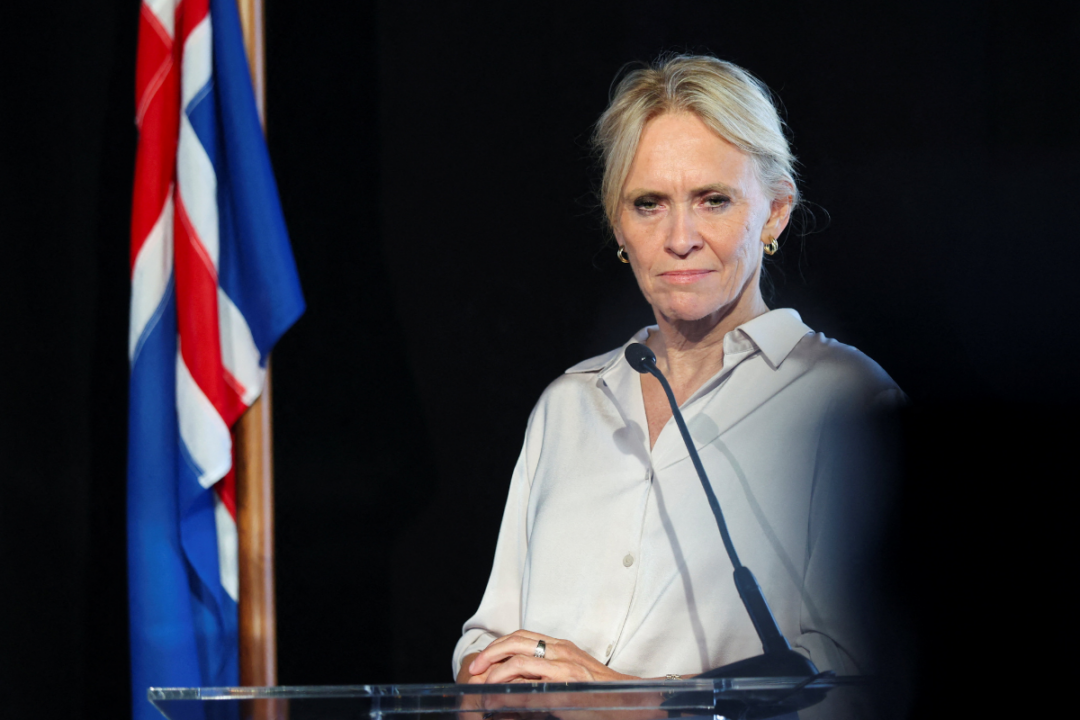
Iceland Focuses on Security Partnerships After Voters Reject Opening EU Membership Talks
Icelandic Minister for Foreign Affairs Thorgerdur Katrin Gunnarsdottir attends a press conference...
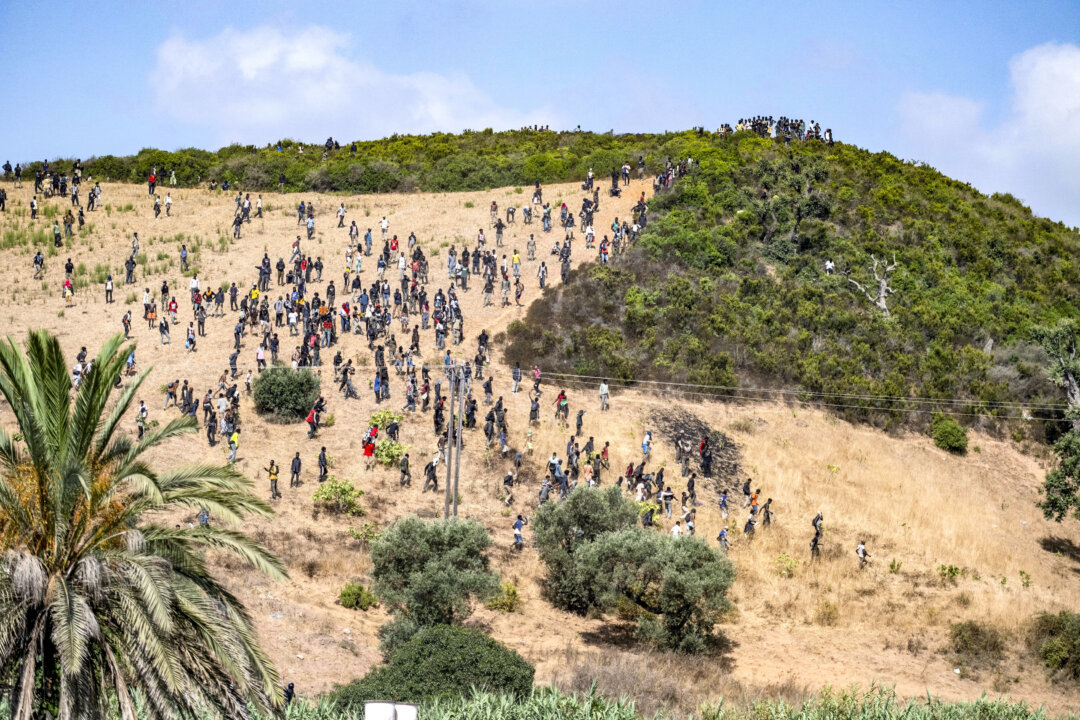
Italy, Spain Extend Tit-for-Tat Border Curbs After Ceuta Illegal Immigrant Crisis
Immigrants gather on a hill as they attempt crossing from the border...



Vaccine Maker Halts Trial on mRNA Cancer Shot
A pharmacist administers the Pfizer-BioNTech vaccine in Los Angeles, Calif., on October...
