

Secretary of War Pete Hegseth testifies before the Senate Committee on Appropriations in Washington on July 21, 2026. Madalina Kilroy/The Epoch TimesSecretary of War Pete Hegseth on Aug. 4 rejected a CNN report that featured unnamed sources saying U.S. military stockpiles of key missile interceptors had fallen to “dangerously low” levels amid the ongoing war with Iran.CNN earlier reported that, according to sources, the U.S. military had used up nearly 80 percent of its missile interceptors since the war with Iran began in late February.The CNN report also alleged that the U.S. Army has exhausted “virtually all” of its long-range surface-to-air weapons in military operations against Tehran.Hegseth took to social media to refute the report, calling it false news.“That banner is NOT TRUE, CNN. Shame on you,” the Pentagon chief said in a post on X. “We don’t hate the Fake News media enough.”Hegseth was referring to a CNN on-screen banner that read: “Sources: U.S. has used nearly 80% of key missile interceptors in Iran war, top commanders warn stockpiles dangerously low.”Ceasefire Falls ApartThe United States and Iran signed a preliminary agreement in June to halt the war and fully reopen the Strait of Hormuz, a vital global oil and gas shipping route. The ceasefire collapsed on July 7 after President Donald Trump declared it over and ordered strikes, as he accused Iran of attacking ships in the waterway. Iran’s armed forces retaliated by attacking Middle Eastern nations hosting U.S. military assets.The strikes lasted for 13 consecutive days before Trump ordered a pause to allow negotiations. The U.S. military later renewed attacks after Tehran attempted more missile attacks on U.S. forces in the Middle East.Trump said on Aug. 2 that he had called off major U.S. strikes after Gulf allies persuaded him that a deal with Iran involving the Strait of Hormuz was imminent.“Now what we’re doing is we’re talking to them in the form of a negotiation,” he told reporters. “It begins tomorrow afternoon, and we’ll see.”The United States and Israel first launched strikes aimed at neutralizing Iran’s nuclear threat on Feb. 28, killing Iran’s Supreme Leader Ayatollah Ali Khamenei. Tehran retaliated by attacking neighboring nations hosting U.S. military bases.Trump said on March 3 that the country had more than enough munitions to carry out the military operation.“The United States Munitions Stockpiles have, at the medium and upper medium grade, never been higher or better,” Trump said in a Truth Social post at the time. “As was stated to me today, we have a virtually unlimited supply of these weapons. Wars can be fought ‘forever,’ and very successfully, using just these supplies.”The president invoked the Defense Production Act in June to boost weapons production, saying that the existing conditions in the munitions industry pose a direct threat to national defense.In his memo, Trump cited “limited production capacity, fragile supply chains, long-lead dependencies, and related production bottlenecks” as factors hindering the nation’s ability to sustain and expand its munitions.










Ohio State Agrees to $2.1 Million Federal Settlement Over Undisclosed China Research Ties
Ohio State University has agreed to pay $2.1 million to resolve federal...
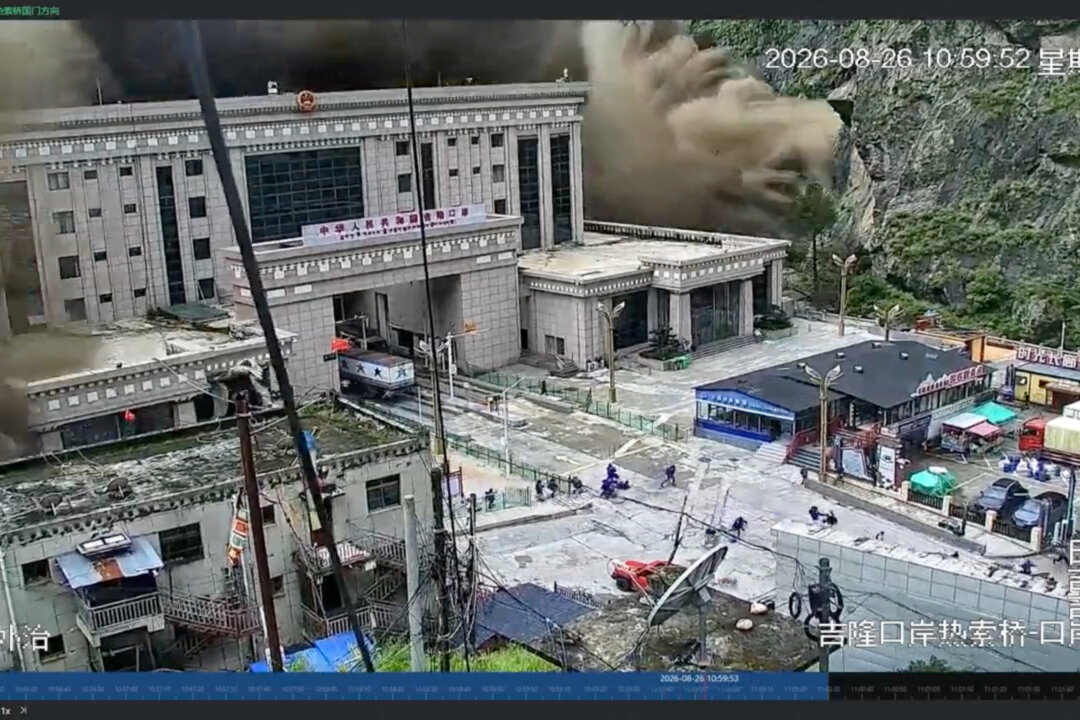
Chinese Scientists Flagged Glacial Flood Danger One Year Before Nepal Catastrophe
More than a year before the catastrophic flash flood devastated the China–Nepal...

USDA Unveils New Support for Ranchers to Rebuild Cattle Herds
The U.S. Department of Agriculture has unveiled a new package of measures...
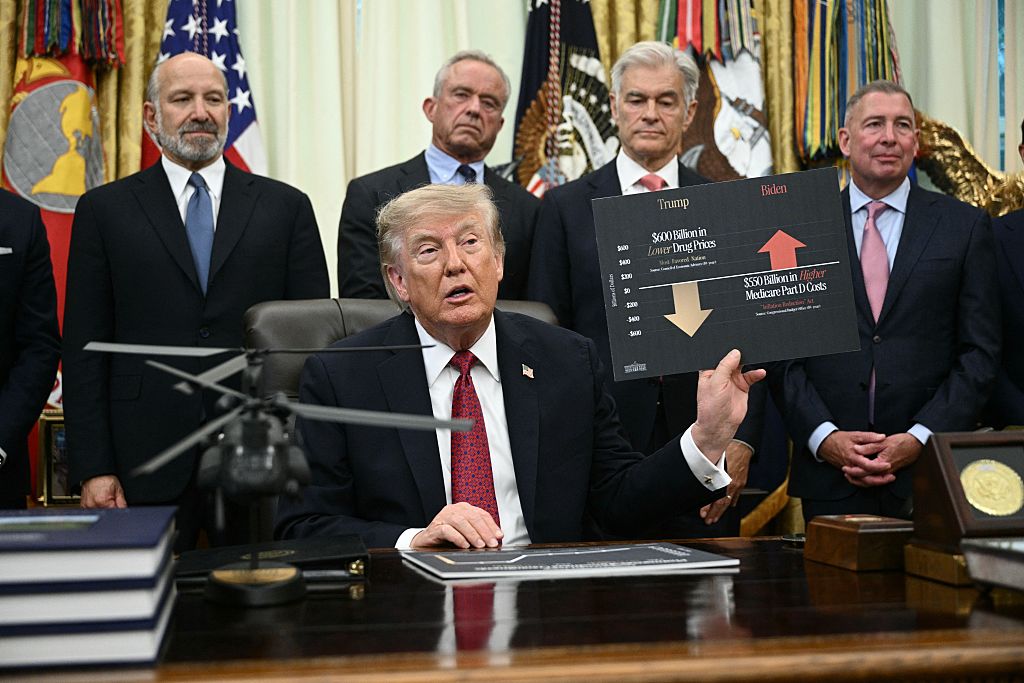


Trump Unveils New Drug Pricing Deals With 9 Pharmaceutical Companies
President Donald Trump on Aug. 31 announced agreements with nine midsize pharmaceutical...
