
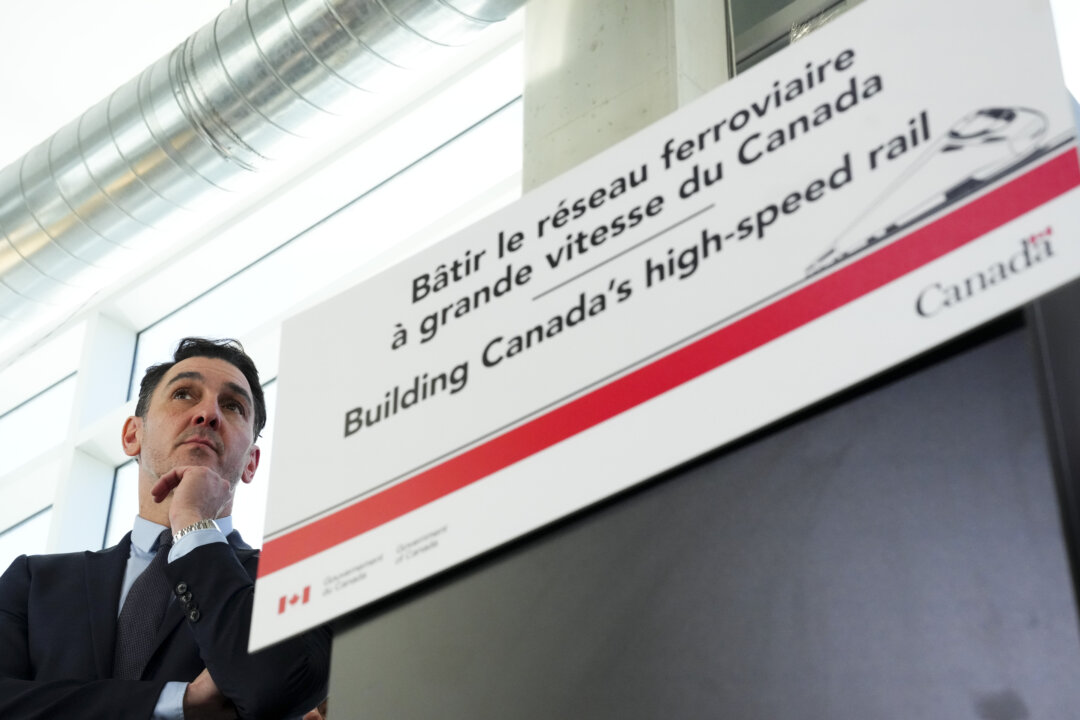
Martin Imbleau, president and CEO of Alto, takes part in an announcement about the next steps for the high-speed rail project, in Gatineau, Que., on Dec. 12, 2025. The Canadian Press/Sean KilpatrickCanadians living along the proposed Toronto-Quebec City high-speed rail route have expressed concerns about the project’s costs and questioned the need for it, given that transport options already exist between the two cities, according to in-house federal research.The report commissioned by the Privy Council Office and obtained by Blacklock’s Reporter indicated that, while residents living in the Ottawa-Montreal corridor acknowledged that the proposed Alto high-speed rail line would be “helpful” in reducing their travel time from Toronto to Quebec City, some viewed the project as incurring “high financial costs” to construct.The researchers also said participants in the study questioned whether the initiative was justified.“Among these participants, the view was expressed that there were already numerous ways to transit between Toronto and Quebec City relatively quickly, with some feeling that there were likely other projects that represented more urgent priorities for the Government of Canada to be focusing on,” said the report, titled “Continuous Qualitative Data Collection of Canadians’ Views,” delivered on March 4.The research was conducted as part of an $1,629,482.60 contract with The Strategic Counsel.The findings were based on a focus group held in late January, two months before the High-Speed Rail Network Act was enacted via Bill C-15. The Act allows Alto Corporation, the new federal Crown corporation created to oversee the venture, to expropriate land to build the rail corridor without going through the usual consent process.‘Apprehension’The high-speed rail corridor initiative was formally announced in February last year by then-Prime Minister Justin Trudeau. The plan entered the pre-construction phase in March this year, and Prime Minister Mark Carney now champions it as a nation-building project. It is expected to cost between $60 billion and $90 billion and take at least a decade to build.The project will span approximately 1,000 kilometres of dedicated and electrified tracks between Toronto and Quebec City, with trains that could reach speeds of up to 300 kilometres per hour, the government’s website says. Ottawa forecasted that the rail network would create 51,000 jobs over 10 years.According to data tabled in the House of Commons on June 5 by MP Mike Kelloway, parliamentary secretary for the transport minister, Alto Corporation has spent nearly $266 million of its $4.3 billion start-up budget since its establishment in 2022.Kelloway was responding to a series of questions by Conservative MP Michael Barrett in April, including asking for the total amount of funding the Crown corporation has received from the federal government thus far, and a breakdown of the expenditures and the staff employed.Kelloway’s data indicated that Alto Corporation has hired a president and CEO, nine chiefs, 13 vice-presidents, 44 directors, seven managers, and 126 professionals among its 216 employees.The project is opposed by the Conservatives, who say the cost is too high.Communities in Ontario and Quebec have also expressed concern about the federal government’s powers to expropriate land for the railway if Alto is unsuccessful in purchasing it from owners. They say they do not want to see the railway run through their communities. On June 10, hundreds of protesters headed to Parliament Hill in Ottawa to demonstrate against the proposed rail line.Alto acknowledged the concerns in its public consultation report, “What We Heard Report” released on June 22.“Many participants raised questions about the project and its timeline, and were skeptical that the project could be delivered within the anticipated budget and schedule,” the report said. “Opposition to and apprehension about land acquisition was voiced, especially in rural areas.”The report noted that the project should be guided by “transparent decision-making, ongoing dialogue, and concrete measures to avoid, reduce, or offset potential impacts.”Matthew Horwood and Paul Rowan Brian contributed to this report.








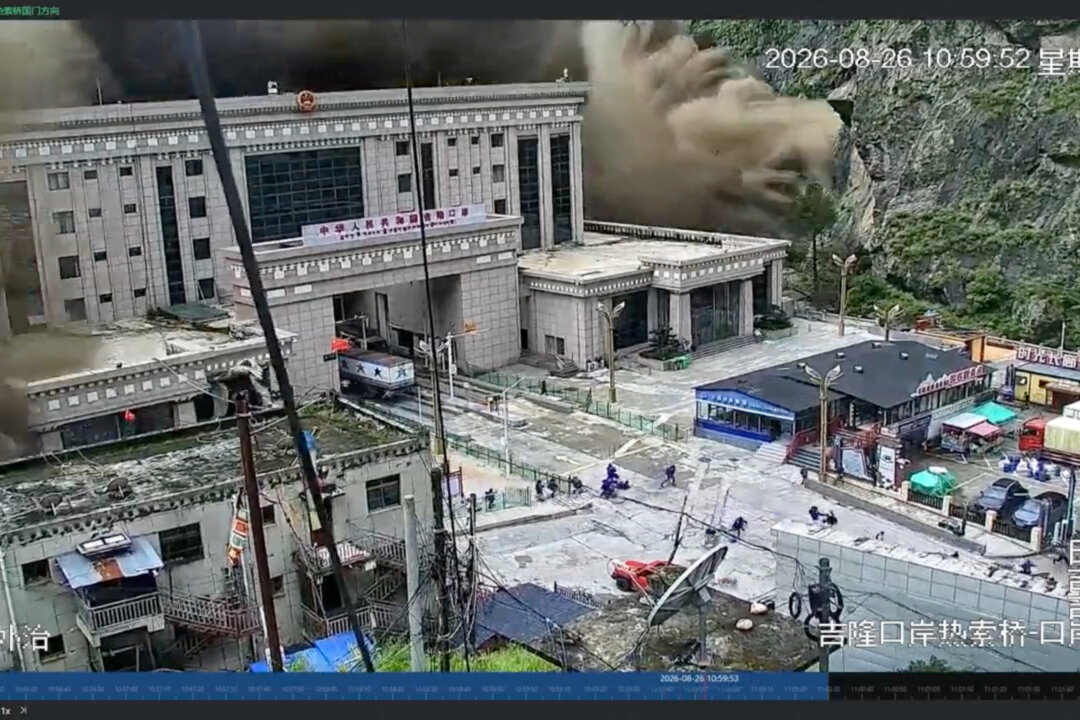
Chinese Scientists Flagged Glacial Flood Danger One Year Before Nepal Catastrophe
More than a year before the catastrophic flash flood devastated the China–Nepal...
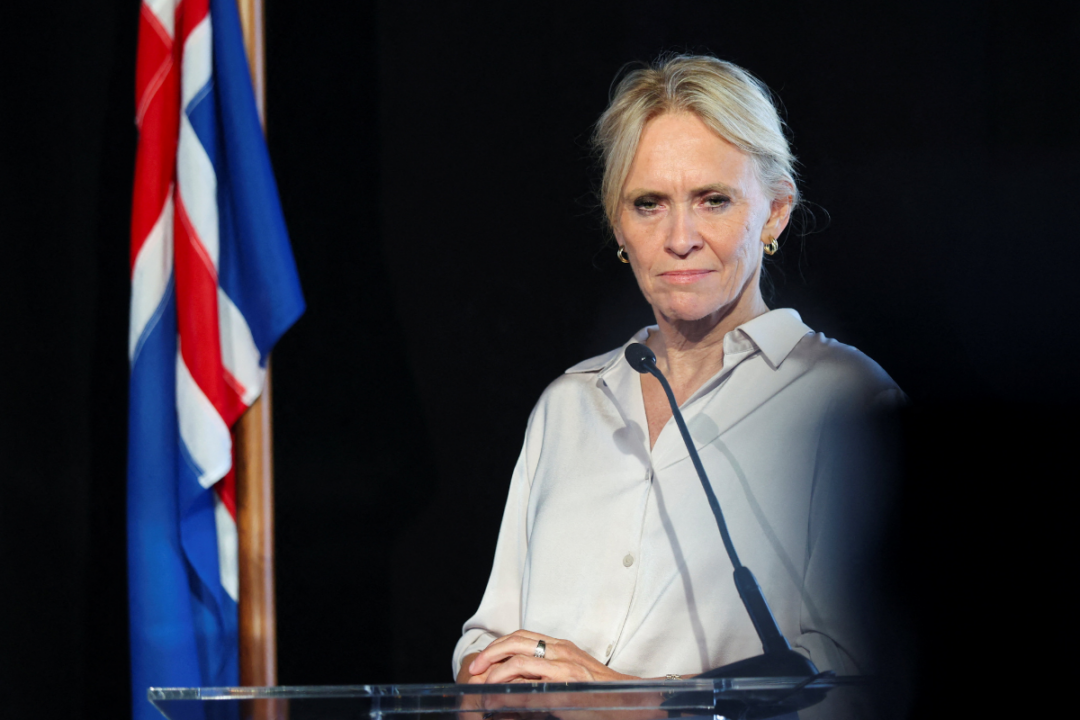
Iceland Focuses on Security Partnerships After Voters Reject Opening EU Membership Talks
Icelandic Minister for Foreign Affairs Thorgerdur Katrin Gunnarsdottir attends a press conference...

Italy, Spain Extend Tit-for-Tat Border Curbs After Ceuta Illegal Immigrant Crisis
Immigrants gather on a hill as they attempt crossing from the border...



Vaccine Maker Halts Trial on mRNA Cancer Shot
A pharmacist administers the Pfizer-BioNTech vaccine in Los Angeles, Calif., on October...
