
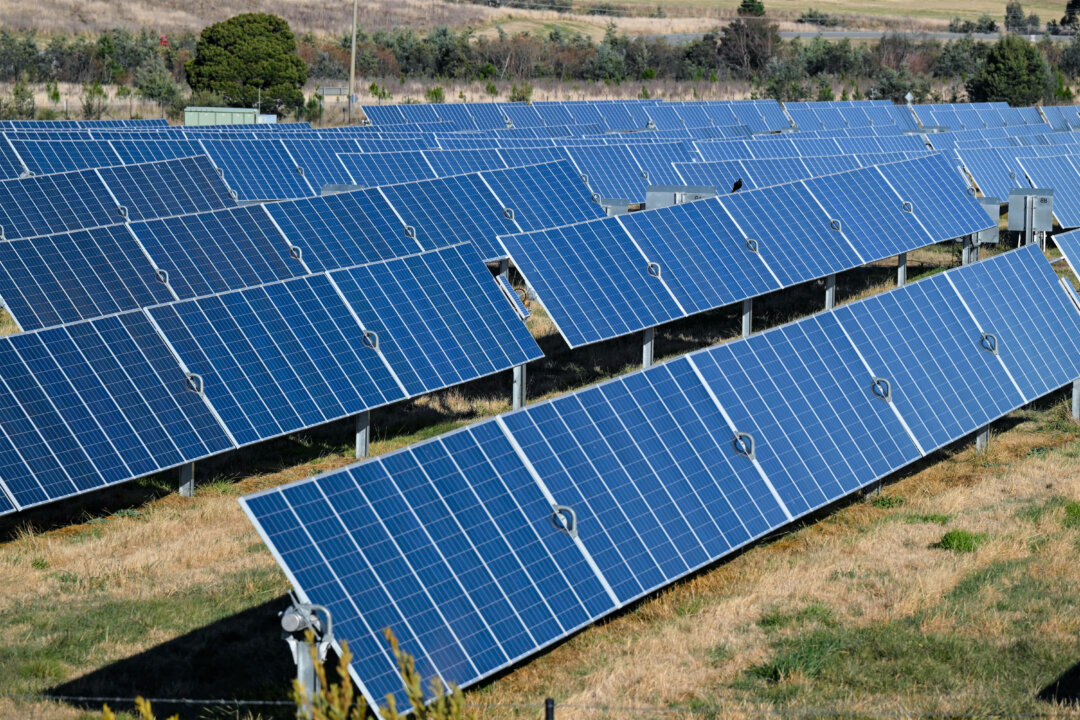
The head of a peak industry body has warned Australia’s aluminium sector could miss out on opportunities from the solar panel boom due to its limited involvement in the supply chain.At a parliamentary inquiry into solar panel reuse and recycling in Australia on Aug. 3, Australian Aluminium Council (AAC) CEO Marghanita Johnson said aluminium is a major component of solar panels and that demand for the metal will surge during the renewable energy transition. “Aluminium accounts for more than 88 percent of the metal in a solar panel. The aluminium frame and rail are examples of extrusions which can be made from mine to market using existing manufacturing capability right here in Australia,” she told the Standing Committee on Climate Change, Energy, Environment, and Water. “For every gigawatt of solar, we need 5.5 kilotons of extrusions for the frames, and for every gigawatt of rooftop, we’d need an additional 13 kilotons of extrusion for rails and mounting. “Installed solar in Australia will need more than 1.5 million tonnes of extrusion by 2050.” However, Johnson pointed out that Australian-produced aluminium has little presence in the solar panel supply chain. “Today, more than 70 percent of all the semi-finished aluminium in Australia is imported, and less than 3 percent of Australia’s extrusion capacity is supplied into solar rail and none virtually as solar frames,” she said. Australia imports over 90 percent of its solar panels from China.The CEO then highlighted the need to leverage opportunities to include Australian aluminium in the development of the local solar panel industry. “A domestic aluminium recycling and remelting industry, including a closed-loop solar value chain, would strengthen Australia’s industrial resilience and complete the existing value chain from mine through to finished product, adding a recycled option, including for solar panels, she said. “This would help retain more value in Australia rather than exporting it overseas.” Obstacles to Building a Closed-Loop Solar Value ChainIn its submission (pdf) to the committee, the AAC said the biggest threat to local manufacturers was imports priced below international market rates. The council noted that ensuring the successful delivery of Australian aluminium from mine to solar panels would require not only government support, but also a level playing field where local manufacturers could compete with overseas products. “While the supply chain exists in Australia, meeting growing demand would require investment to increase capacity within Australia’s supply chain. This would apply to both extrusions and the supply of billet from smelters to the domestic market,” the submission said. Another challenge to the proposed closed-loop solar value chain is Australia’s lack of aluminium recycling capacity.Australia once had remelt facilities that recycled scrap aluminium. However, after the country’s last two rolling mills closed in 2012 and 2014, the country now exports about 95 percent of its aluminium scrap. “If we were able to recycle just 40 kilotons of scrap domestically, which is around 10 percent of the current annual arisings and a practical starting point, we could support directly more than 130 jobs and create up to $300 million (US$210 million) in economic value,” Johnson said. “It would also help us create a scalable foundation for a circular aluminium industry capable of processing future aluminium salt from solar PV systems as volumes grow, keeping more of that value on shore.” Johnson said the industry is currently conducting small-scale trials in which scrap aluminium is recycled at select smelters through the retrofitting of existing facilities. However, she noted that the practice remained uneconomic and requires funding support to address issues such as transport costs. “If Australia doesn’t get in and create those policy settings that can help overcome the … the challenges …, if we don’t get in soon, we will miss the opportunity to get in ahead of that wave, and it will further disadvantage Australia in the future. And we won’t be making the most of the resources we have available to us,” she said.









Chinese Scientists Flagged Glacial Flood Danger One Year Before Nepal Catastrophe
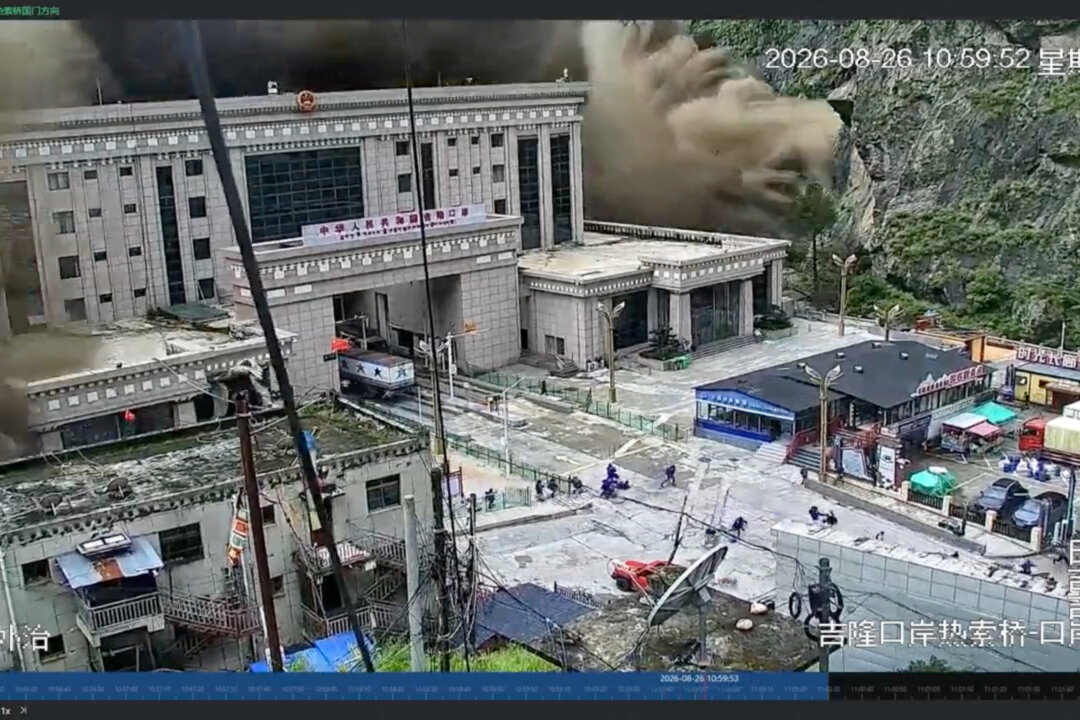
More than a year before the catastrophic flash flood devastated the China–Nepal...
USDA Unveils New Support for Ranchers to Rebuild Cattle Herds
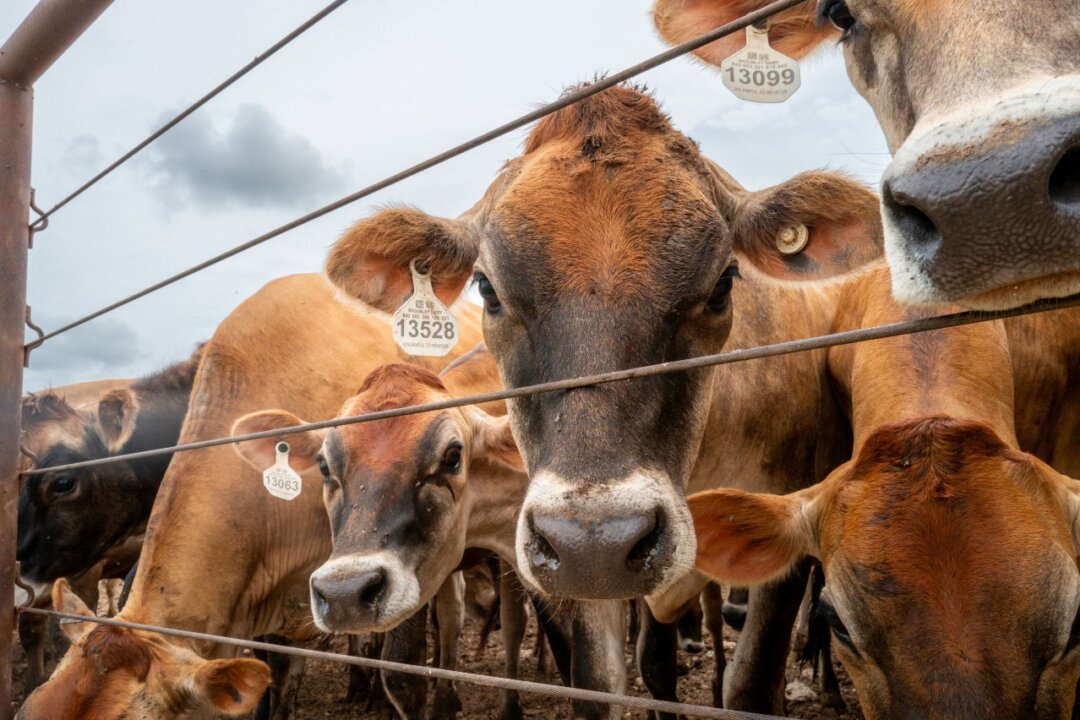
The U.S. Department of Agriculture has unveiled a new package of measures...

How Major US Stock Indexes Fared Aug. 31
Oil prices rose and U.S. stocks fell after American forces struck Iranian...



Trump Unveils New Drug Pricing Deals With 9 Pharmaceutical Companies
President Donald Trump on Aug. 31 announced agreements with nine midsize pharmaceutical...
