

Amazon has announced plans to invest more than $100 million to open a manufacturing facility in Greenwood, Indiana.A total of 300 new skilled engineering and manufacturing jobs are expected to be created at the facility. The roughly 585,000-square-foot site will manufacture products that power the company’s robotics and fulfilment network in North America. The facility is projected to launch by 2028, Amazon said in a Sept. 24 statement.Jobs created will include manufacturing engineers, program managers, Computer Numerical Control operators, assemblers, and quality assurance specialists, with these roles making an average of almost $100,000 annually.The facility will integrate advanced fabrication, assembly capabilities, and robotic welding, and will be supported by artificial intelligence-powered robotics and smart manufacturing systems.“This facility represents a significant investment in the Indianapolis community that will create jobs with a median salary well above the regional average,” Holly Sullivan, vice president of economic development at Amazon, said in the statement.According to Amazon, the company selected Greenwood as the site for the new facility due to Indiana’s manufacturing workforce, business-friendly policies, logistics infrastructure, and competitive cost advantages.Amazon has so far invested more than $40 billion in Indiana since launching operations in the state in 2008, and created over 27,000 jobs.In August, Amazon announced a new robotics manufacturing investment in Texas. The facility, located in Austin, is expected to generate 300–500 high-paying jobs and manufacture robotics systems that will operate alongside human workers to do some of the heavy lifting and handle repetitive tasks.Investments in US ManufacturingIn March, automation machinery manufacturing company Siemens announced it was investing more than $165 million to expand manufacturing capacity in the United States. The investment is expected to boost the company’s ability to manufacture the electrical infrastructure necessary to support the growth of large-scale data centers and artificial intelligence infrastructure in the United States.Chipmaker Taiwan Semiconductor Manufacturing Company (TSMC) said in July it was committing an additional $100 billion investment in Arizona, raising the company’s total commitment in the state to $265 billion. TSMC, based in Taiwan, is the largest dedicated semiconductor foundry in the world. The company manufactures a variety of products used in a wide range of items, including digital consumer electronics, smartphones, and autos.In a July 21 post, Nvidia announced that electronics manufacturer Wistron opened its first manufacturing facility in the United States, a plant manufacturing Nvidia’s superchips that power AI systems. The facility, located in Texas, represents a $700 million investment commitment and has created more than 500 new jobs, with the number of jobs projected to grow to 1,000 by the end of 2026.In August, Nvidia said it’s looking at establishing up to $500 billion worth of AI infrastructure in the United States with several partners. Wistron’s facility is included under the initiative.According to data from the National Association of Manufacturers, $1.7 trillion worth of domestically manufactured goods were exported last year.As of July 2026, there were around 580,000 manufacturing job openings. By 2033, about 3.8 million new manufacturing positions are expected, the association said. The manufacturing sector also accounts for 52 percent of all private sector research and development in the United States.A Sept. 23 report from S&P Global found that U.S. business activity growth hit its fastest rate in more than five years this month. The growth was accompanied by an intensification of supply chain delays, and price pressures continued to be a problem for businesses.Chris Williamson, chief business economist at S&P Global Market Intelligence, said in the report that input costs of businesses jumped this month at the steepest rate in four years. Despite this challenge, businesses continued to boom in both manufacturing and services sectors, he said.“To put the growth surge in context, barring the spike in demand following the opening up of the economy after the COVID-19 lockdowns, the latest improvement in business activity is the greatest recorded since early 2015,” Williamson said.









Iranian National Sentenced to 18 Months for Smuggling US Technology to Iran via China
Federal agents escort a 2014 China-Iran trade scheme suspect, Reza Dindar, also...
Trump Rejects Integrating With China on AI
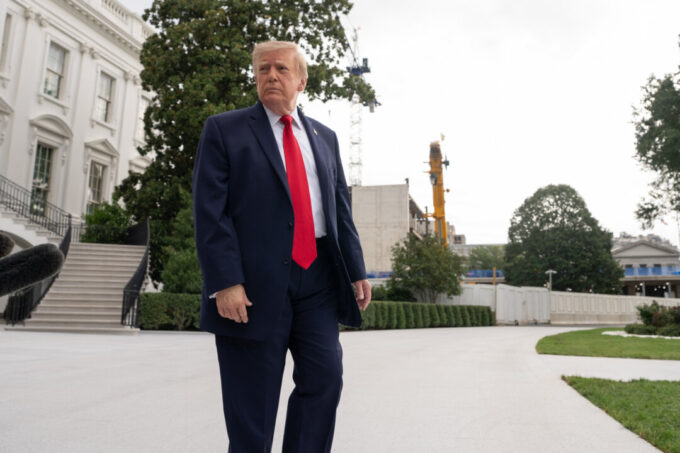
President Donald Trump on the South Lawn of the White House in...
US, China Release Product Lists for $30 Billion Reciprocal Tariff Reduction Deal
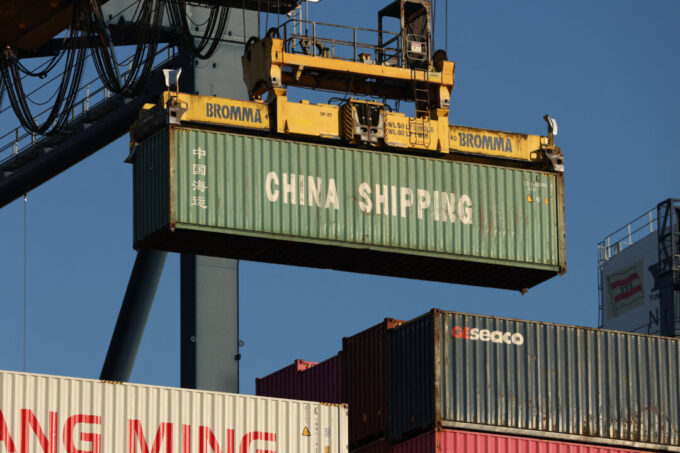
A China Shipping cargo container is unloaded by crane from a container...



2,500 Tip-Offs: Tax Office Swarms Melbourne Restaurants Amid Evasion Blitz
Australian Tax Office (ATO) staff prepare to investigate Melbourne CBD restaurants and...
