Most of us think nothing of accepting a receipt at the checkout. It is folded into a wallet, stuffed into a pocket, or handed to a child without a second thought. However, many thermal paper receipts are coated with bisphenol A (BPA) or bisphenol S (BPS), compounds widely recognized for their ability to interfere with the body’s hormone system. Unlike many other products that contain BPA, thermal paper is coated with the chemical on its surface so it can react to heat and produce text. This makes it especially easy to transfer onto the skin.The health concerns surrounding BPA have been studied for decades. However, more recently, researchers have begun asking a different question: what happens when these chemicals are absorbed through the skin rather than swallowed in food or drink? Several studies have now examined whether handling thermal paper receipts contributes to meaningful exposure, particularly among people who touch them every day at work.The evidence indicates that it can. Something as ordinary as a printed receipt can act as a source of endocrine-disrupting chemicals, raising questions about an everyday exposure that most people have never considered.The following studies examine what happens after a receipt leaves the checkout, from the transfer of bisphenol chemicals into the body to the potential health effects associated with those compounds.Before considering their potential health effects, it is important to establish if bisphenol chemicals from thermal paper actually enter the body during routine handling. The following studies examine whether these compounds can penetrate human skin and whether people who regularly handle receipts accumulate measurable levels of them.Skin Absorption of Bisphenol A and Its Alternatives in Thermal Paper. PMID: 33313651Researchers wanted to know whether BPA—and several of the chemicals increasingly being used to replace it in thermal paper—could pass through skin. Using human skin samples donated from surgical procedures and mounted in laboratory diffusion chambers, they applied the compounds BPA, BPS, D-8, and Pergafast 201. Then they measured how much of each crossed the skin over a 24-hour period.BPA readily penetrated the skin, with approximately 25% of the applied dose passing through during the experiment. D-8, another bisphenol-based thermal paper developer, also crossed the skin, at around 17%. BPS penetrated much more slowly, with only around 0.4% absorbed, while Pergafast 201 remained below the laboratory’s limit of quantification under the conditions tested.These findings demonstrate that some chemicals present on thermal paper do not simply remain on the surface of the skin. They can enter the body directly, establishing receipt handling as a plausible route of exposure.Bisphenol A, Bisphenol S, and 4-Hydroxyphenyl 4-Isopropoxyphenylsulfone (BPSIP) in Urine and Blood of Cashiers. PMID: 26309242Laboratory experiments show what is possible in a controlled setting, but this study asked whether receipt handling leads to measurable exposure in everyday life. Researchers compared 77 cashiers with 25 people who did not work as cashiers. They analyzed the chemicals present in the receipts handled by each worker and collected urine and blood samples before and after work shifts.The researchers found that thermal receipts contained between approximately 1% and 2% bisphenol chemicals by weight, meaning the coating itself was a substantial source of exposure. Cashiers handling BPS-containing receipts had significantly higher urinary concentrations of BPS after their shifts. Similarly, those handling BPA-containing receipts generally showed higher BPA levels than people who did not routinely handle receipts. The researchers also detected exposure to several newer bisphenol replacements, showing that occupational exposure can continue even as BPA is replaced.Taken together, these findings suggest that routine handling of thermal paper receipts can contribute to measurable internal exposure to bisphenol chemicals under real-world working conditions.Demonstrating that bisphenol chemicals enter the body is only part of the picture. Researchers have also spent decades investigating how these compounds interact with hormone signalling and other biological processes after they have been absorbed. The following reviews summarize the evidence on BPA’s health effects and examine whether newer replacement chemicals such as BPS represent a genuinely safer alternative.The Endocrine Disruptor Bisphenol A (BPA) Exerts a Wide Range of Effects in Carcinogenesis and Response to Therapy. PMID: 30848227This review examines the growing body of evidence linking BPA exposure to cancer development and progression. The authors analyzed experimental and epidemiological studies investigating how BPA interferes with hormone signalling, influences the behaviour of cancer cells, and affects the body’s response to cancer treatment.The review concludes that BPA acts as an endocrine disruptor capable of disrupting multiple biological processes involved in normal cell function. Across the studies reviewed, BPA was associated with changes that may promote the development and progression of several hormone-related cancers, including breast, ovarian, prostate, and colorectal cancer. The authors also discuss experimental evidence that BPA can stimulate cancer cell growth, encourage the spread of tumours, interfere with normal mechanisms for removing damaged cells, and reduce sensitivity to certain treatments in laboratory models.Taken together, the review concludes that BPA has a broad range of biological effects extending well beyond hormone disruption alone, highlighting its potential role in carcinogenesis and the need for continued research into its long-term health consequences.Bisphenol S in Food Causes Hormonal and Obesogenic Effects Comparable to or Worse than Bisphenol A: A Literature Review. PMID: 32092919As concerns about BPA have grown, many manufacturers have switched to BPS instead. This review examined whether that substitution actually reduces health risks. Rather than conducting new experiments, the authors analyzed published studies comparing the biological effects of BPA and BPS.The review concluded that BPS also acts as an endocrine disruptor. Across the studies reviewed, BPS produced hormonal and obesity-promoting effects similar to BPA and, in some cases, showed comparable or even greater effects on metabolism, reproduction, and hormone-related cancers.Taken together, the available evidence suggests that simply replacing BPA with another bisphenol does not necessarily eliminate health concerns. The authors argue that BPS should receive the same level of scientific and regulatory scrutiny as BPA rather than being assumed to be a safer alternative.Together, these papers show that some chemicals used in thermal receipts can cross human skin and that routine occupational handling can contribute to measurable internal exposure. Studies of cashiers found higher post-shift levels of certain bisphenols, particularly BPS, while reviews of the wider literature indicate that BPA and some of its replacement chemicals can interfere with hormone signalling. People who handle receipts repeatedly throughout the working day may face the greatest exposure, but minimizing unnecessary contact is a reasonable precaution for anyone.Though it is unfortunate that these precautions may be necessary, there are several practical ways to reduce exposure.If you need to keep a receipt, consider photographing it immediately after purchase and disposing of the paper instead of carrying it with you. If you frequently handle receipts or simply wish to avoid touching them, a small clothespin or similar tool can make it easy to hold the paper while taking a photo before discarding it.Keeping receipt photos in a dedicated album or folder on your phone, organized by date, can create a simple chronological record that is easy to transfer to a computer later for accounting or tax purposes.Electronic receipts could also be used to avoid thermal paper altogether, although they come with their own privacy considerations and are not always available when making certain purchases.No single step will eliminate exposure entirely, but simple changes such as minimizing unnecessary handling and disposing of receipts promptly can help to reduce one of the most common yet least recognized sources of everyday exposure to endocrine-disrupting chemicals.We’ve added a quick poll below to see if this article has been illuminating. Paid subscribers can leave comments. Please share your experiences, wins, challenges, or questions. I read every comment, and the community is usually very supportive. Your input also helps shape future content, so thank you in advance!

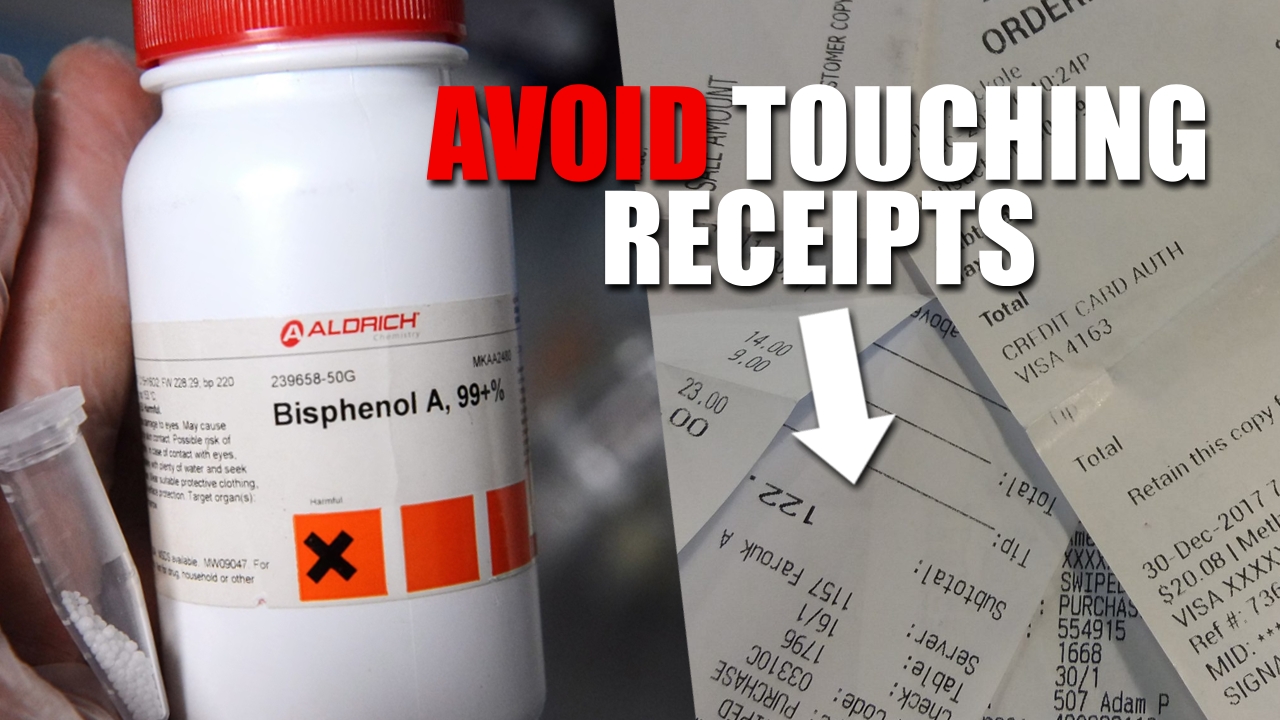
Are Thermal Paper Shopping Receipts Damaging Our Health?









Related Articles

Dr Mark Trozzi
Wins of the Week 148 with Glen Jung
This week’s developments highlight growing efforts to challenge institutional decisions, defend individual...

Dr Mark Trozzi
Influenza Season: What You Need to Know and How to Protect Yourself
Influenza season is upon us, and big pharma has lots of mistakes...

Dr Mark Trozzi
Wins of the Week 147 with Ted Kuntz
This week’s victories reflect growing efforts to expose conflicts of interest, strengthen...



Dr Mark Trozzi
Dr. Angus Dalgleish Warns of Aggressive Cancers After COVID Injection
COVID shots are causing aggressive cancers that are difficult to treat, including...
