
Spain PM Sanchez Visits Ceuta Amid Mass Illegal Immigration Crossing That Left at Least 19 Dead

Spanish Prime Minister Pedro Sánchez is visiting Ceuta on July 31 after thousands of illegal immigrants arrived at the Madrid-owned exclave on the Mediterranean coast of Africa by sea and land, with at least 19 dead bodies found in the water.The Spanish Department of National Security, citing the Interior Ministry, said on its website that about 49,000 migrants were estimated to have crossed into the exclave of Ceuta in North Africa over the past 24 hours. The statement was later deleted from the website with no immediate explanation.Sánchez is accompanied by Spanish Interior Minister Fernando Grande-Marlaska Gómez on his trip, and the pair will meet with Ceutan Mayor-President Juan José Vivas.“What has happened is an attack on Spain’s territorial integrity and deserves our most resounding and energetic condemnation,” Sanchez said in a July 31 post on X after his arrival.“All of Spain stands with the people of Ceuta.”In a follow-up post, the Spanish leader said the government “will guarantee the safety of the residents of Ceuta, intensifying the presence of the Security Forces and Corps on the city’s streets.”“Additionally, we will deploy a physical containment barrier in the sea to facilitate repatriation at the border, in compliance with the Supreme Court ruling,” he added.He said that the Spanish government would continue to fight against the mafias that “traffic in human beings.”The visit comes after Spain deployed military units to its North African exclave to reinforce security after thousands of illegal immigrants breached its border with Morocco.The military deployment came after the government of Ceuta declared the city was facing an “absolute humanitarian and social emergency” following the surge in illegal border crossings. The city asked the Spanish government to declare a national emergency, deploy the army to the exclave, and fully close the borders.While the Spanish government declined to declare a national emergency, stating that current legislation does not classify migration flows as a risk to national security, it did send 60 soldiers, police reinforcements, and a military vessel and diving unit.The Spanish Interior Ministry said in a July 30 statement that it was cooperating with Moroccan authorities to stop the flow of migrants into Ceuta.Ceuta is a Spanish autonomous city located in North Africa, similar to Melilla, which together represent the European Union’s only land borders with Africa and often face surges by illegal migrants seeking to reach Europe.Social media footage reviewed by The Epoch Times shows thousands of young men at Tarajal beach running, walking, and cheering on the beach and roads. The number of people present has not yet been independently confirmed.A Guardia Civil spokesperson said that the illegal immigrants were “massively entering from the sea” through the Tarajal breakwater, but could not provide any estimates for their numbers. State television TVE on July 30 reported that 2,000 to 3,000 people had crossed.Spanish Prime Minister Pedro Sanchez (C) and Minister of the Interior Fernando Grande Marlaska walk by the Tarajal border fence between Spain’s North Africa’s Ceuta exclave and Morocco during a visit to manage one of the largest illegal immigrant crises on the country’s border as thousands of migrants crossed overnight from Morocco on July 31, 2026. Jorge Guerrero/AFP via Getty ImagesSpanish Prime Minister Pedro Sánchez said that the government is “fully committed to providing an immediate response to the situation in Ceuta.”“We are mobilizing all necessary resources, working with Moroccan and international authorities, and preparing the necessary measures to restore normalcy as soon as possible,” he said in a July 30 post on X.French Interior Minister Laurent Nunez said in a July 31 post on X that, in response to the situation, he “issued instructions last night to strengthen checks at the Spanish border without delay,” adding that he was activating the Rapid Intervention Border Force” to conduct checks.Italian Prime Minister Giorgia Meloni said in a July 30 post on X that the images from Ceuta were “striking and demonstrate, once again, that uncontrolled illegal immigration poses a concrete threat to the security of Europe’s borders.”Members of Moroccan security forces gather at the site of clashes near Fnideq, on the Morocco–Spain border, on July 31, 2026. Abdel Majid Bziouat/AFP via Getty Images“I have spoken with Interior Minister Matteo Piantedosi. Italy will not stand by and watch. We are convening the relevant bodies, and following these meetings, we are prepared to intervene with extraordinary measures to defend the borders and the safety of citizens, including the suspension of the Schengen Area with Spain,” she added.Meloni’s statement was backed up by a post on X from Italian Deputy Prime Minister and Minister of Foreign Affairs Antonio Tajani, who said the same day that he was also “in favor of closing the Schengen Area to Spain,” adding that the images from Ceuta “show how the Madrid Government’s decision to grant Spanish, and therefore European, citizenship to over 500,000 irregular immigrants is profoundly wrong and encourages human trafficking.”Migrants swim through the waters close to the border with Morocco to enter Spain’s north African Ceuta exclave on July 31, 2026. Jorge Guerrero/AFP via Getty ImagesTajani’s intervention prompted a stern response from Spanish Foreign Minister José Manuel Albares, who called it “unbecoming of the foreign minister of a partner and friendly country, from which we expect European solidarity, not partisan demagoguery,” in a July 30 post on X.“Today’s events are related to a court ruling, having nothing to do with what the tweet says. I have summoned the Italian Ambassador tomorrow,” he added.Spanish Immigration PolicyThe surge follows two major policy shifts by Spain this year, including a mass granting of legal status to hundreds of thousands of illegal immigrants and a recent court ruling barring summary expulsions of immigrants who swim ashore.The Spanish Supreme Court ruled on June 29 that “hot returns,” or summary expulsions without formal proceedings, cannot be applied to migrants intercepted at sea who swim into Ceuta or Melilla.A member of Moroccan security forces gestures to a man carrying a child close to the site of clashes near Fnideq, on the Morocco–Spain border, on July 31, 2026. Abdel Majid Bziouat/AFP via Getty ImagesOn April 14, Sánchez’s government approved a royal decree to grant illegal immigrants already living and working in Spain legal status through an accelerated process. Those who meet certain conditions can now seek a one-year residency and work permit.After a year, those granted the temporary measure will be eligible to apply for other work or residency permits.Migrants try to swim through the waters close to the border with Morocco to enter Spain’s north African Ceuta exclave on July 31, 2026. Jorge Guerrero/AFP via Getty ImagesThe government estimates that half a million people living in the shadows of Spanish society could be eligible; analysts say the figure is likely higher. Spanish think tank Funcas estimates there are roughly 840,000 illegal immigrants living in Spain.Owen Evans and Reuters contributed to this report.









The EUs repair policies are changing the way tech is designed
In the late 1970s, concerned by resource use and scarcity, German industrial...
Ohio State Agrees to $2.1 Million Federal Settlement Over Undisclosed China Research Ties
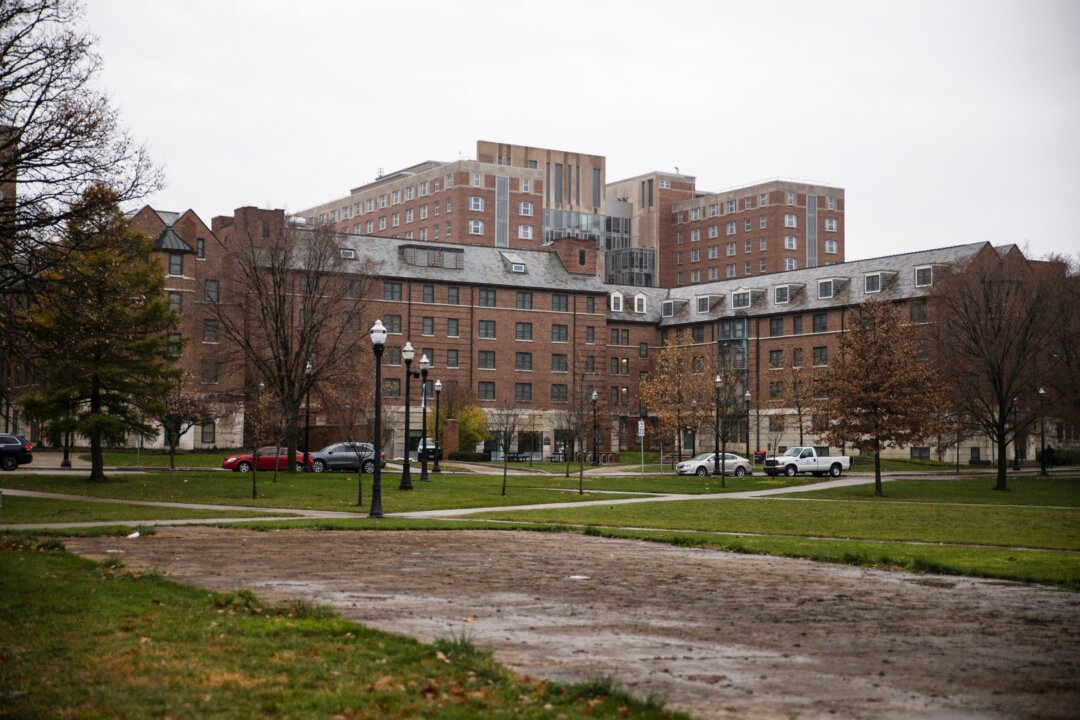
Ohio State University has agreed to pay $2.1 million to resolve federal...
Chinese Scientists Flagged Glacial Flood Danger One Year Before Nepal Catastrophe
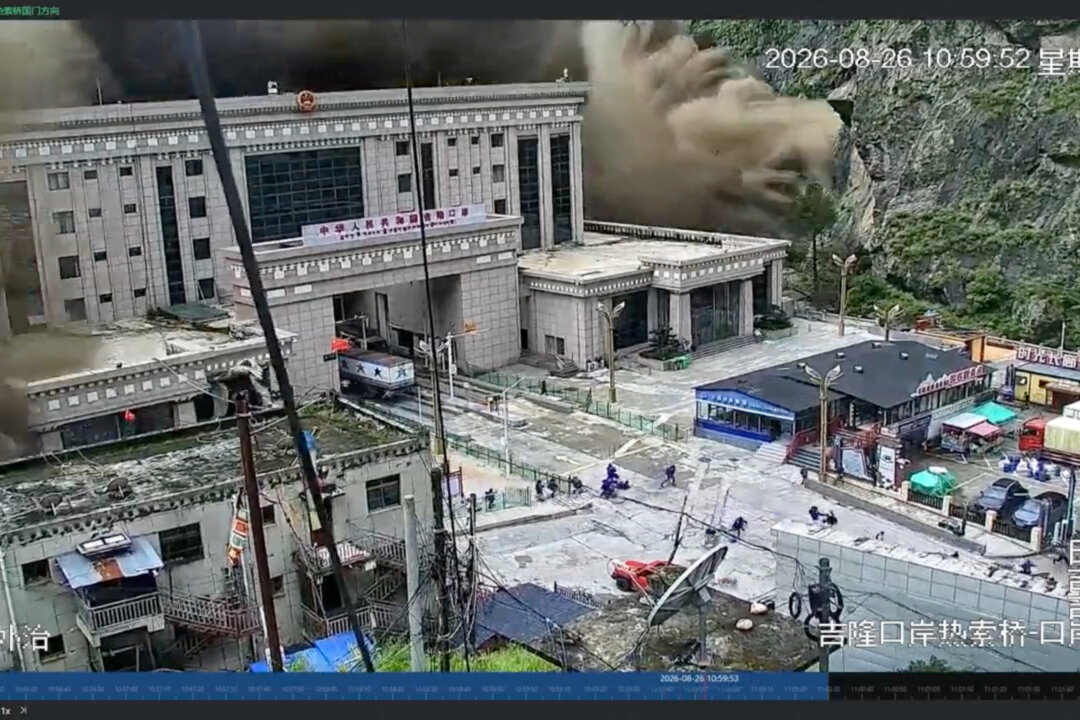
More than a year before the catastrophic flash flood devastated the China–Nepal...



Chinas Humanoid Robot Companies Face Reality Check
China is showcasing humanoid robots as symbols of its technological ambitions. However,...
