
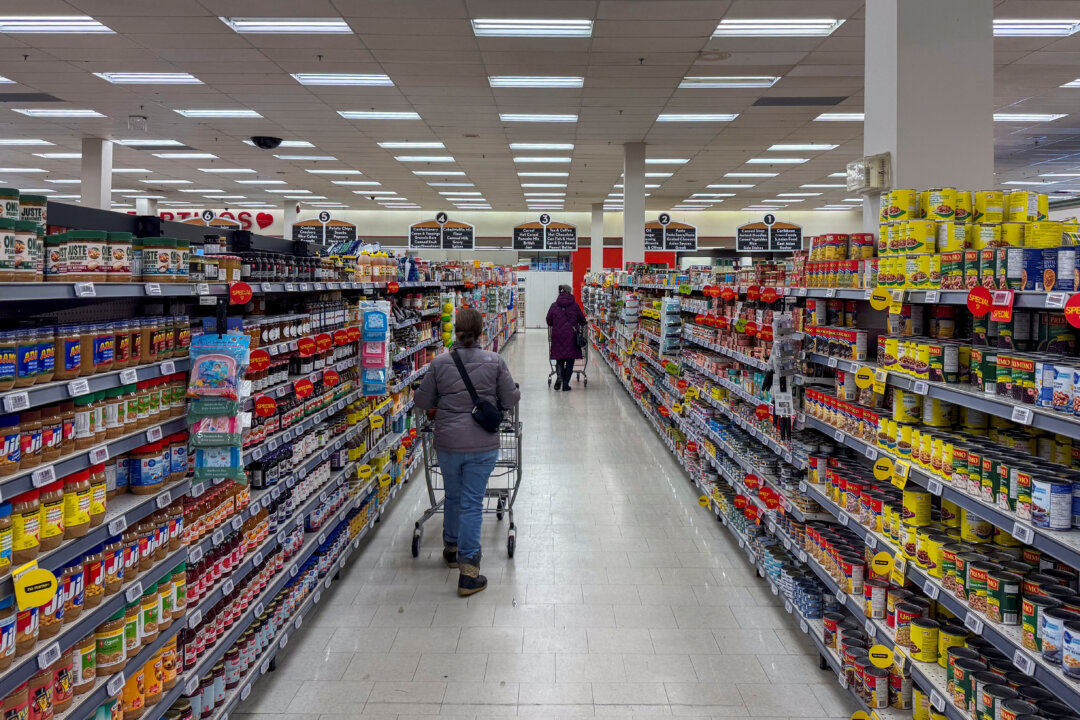
Shoppers push carts down an aisle at a grocery store in Hamilton, Ont., on Feb. 2, 2025. Carlos Osorio/ReutersA growing number of Canadians are eating less meat and skipping meals due to rising food prices, according to an in-house report by the department of agriculture.The Feb. 19 report, which was first obtained by Blacklock’s Reporter, found that 20 percent of respondents had skipped meals in the last six months, while 7 percent had either visited a food bank or received food from a charity.The survey of 3,000 Canadians found that 48.5 percent had bought “less meat, dairy or fresh produce” due to increased prices, while 44 percent said they had cut back on purchases overall, and 36 percent had brought more frozen or canned foods to save money.The report also found that 71 percent had changed their food purchasing habits because of increasing food prices over the last year. A total of 67 percent said they had looked for generic brands or discounted items while shopping.When asked about the affordability of food in Canada, 90 percent said they were “concerned” about costs, including 70 percent who said they were “very concerned.”The survey also asked Canadians about other food-related issues. It found that 81 percent of respondents were concerned about the impact of U.S. tariffs on Canadian farmers. Meanwhile, 70 percent expressed concern about access to healthy food, 67 percent about pesticide use, 65 percent about the use of hormones in livestock and poultry production, and 57 percent about genetically modified foods.The 2026 edition of Canada’s Food Price Report had projected overall food prices would rise by between 4 percent and 6 percent this year, which would lead the average family of four in Canada to pay an additional $994.63 for food in 2026.The Bank of Canada’s July Monetary Policy Report projected that inflation would stay elevated in June before easing to 2 percent by the start of 2027. The figures were based on a projection that energy prices would continue falling.The report said food inflation was expected to remain elevated due to higher gas, diesel, and fertilizer costs impacted by the war in Iran. It also said goods inflation is expected to rise as “war‑related input costs gradually work their way through supply chains and feed into prices,” noting that a lower Canadian dollar has also raised import prices.









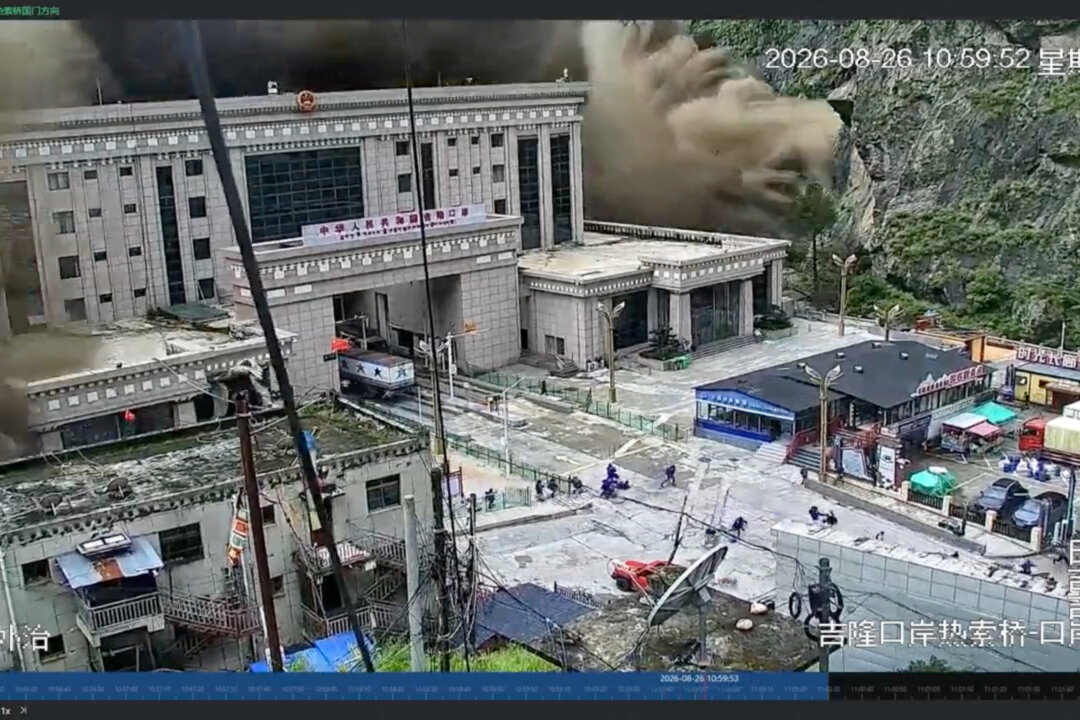
Chinese Scientists Flagged Glacial Flood Danger One Year Before Nepal Catastrophe
More than a year before the catastrophic flash flood devastated the China–Nepal...
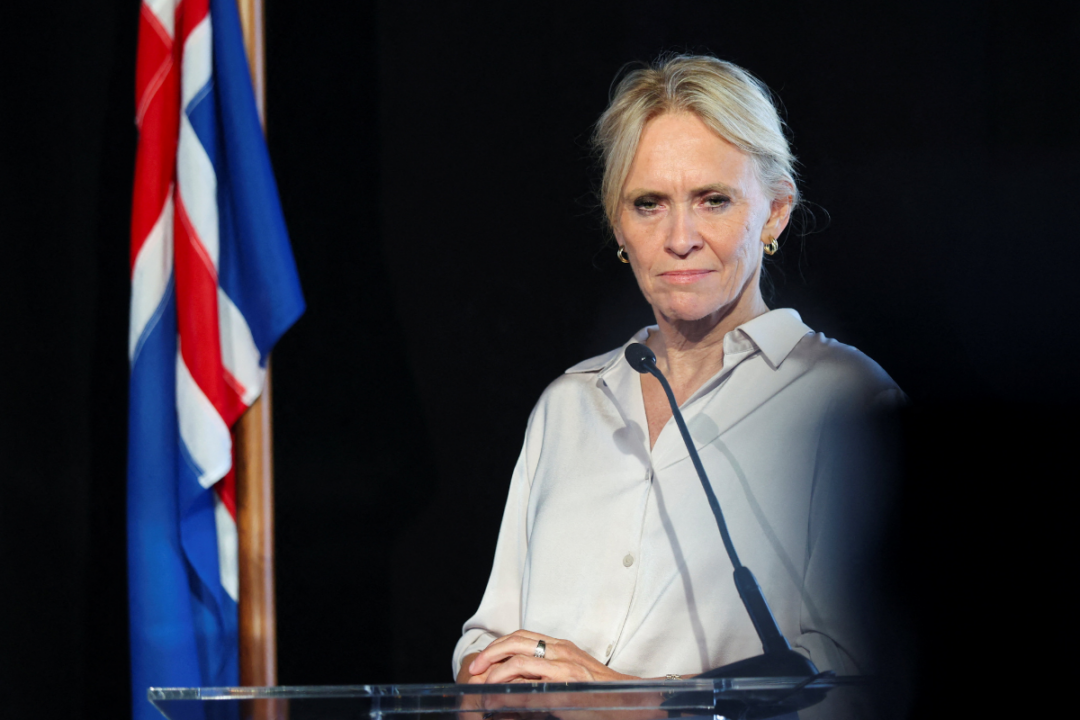
Iceland Focuses on Security Partnerships After Voters Reject Opening EU Membership Talks
Icelandic Minister for Foreign Affairs Thorgerdur Katrin Gunnarsdottir attends a press conference...
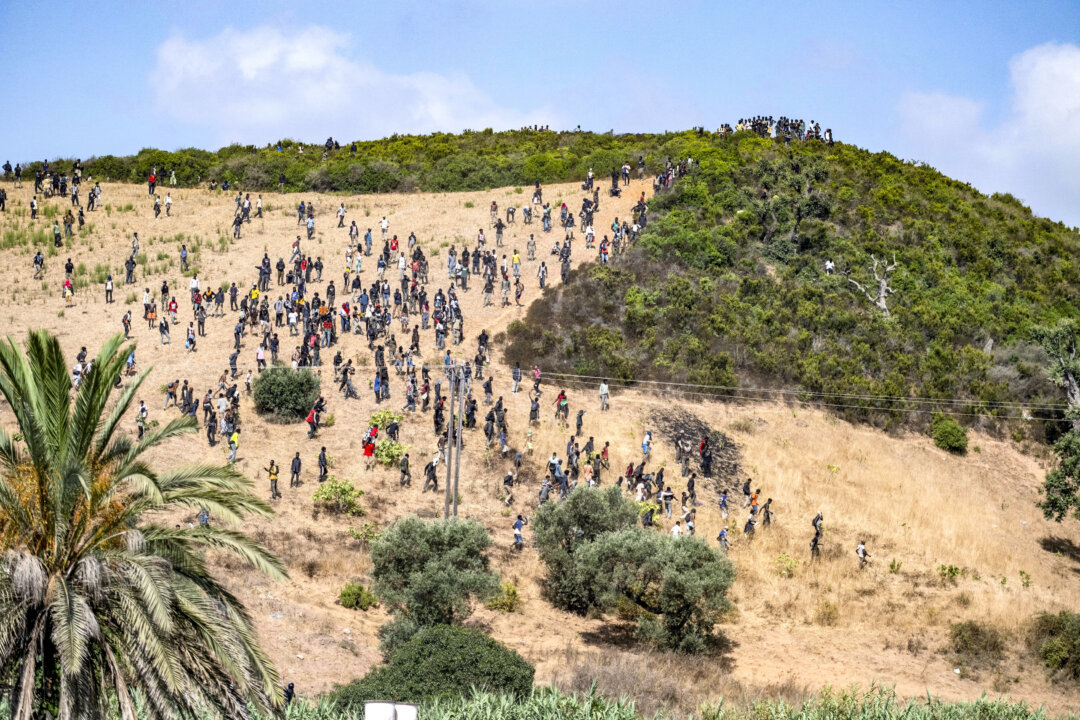
Italy, Spain Extend Tit-for-Tat Border Curbs After Ceuta Illegal Immigrant Crisis
Immigrants gather on a hill as they attempt crossing from the border...
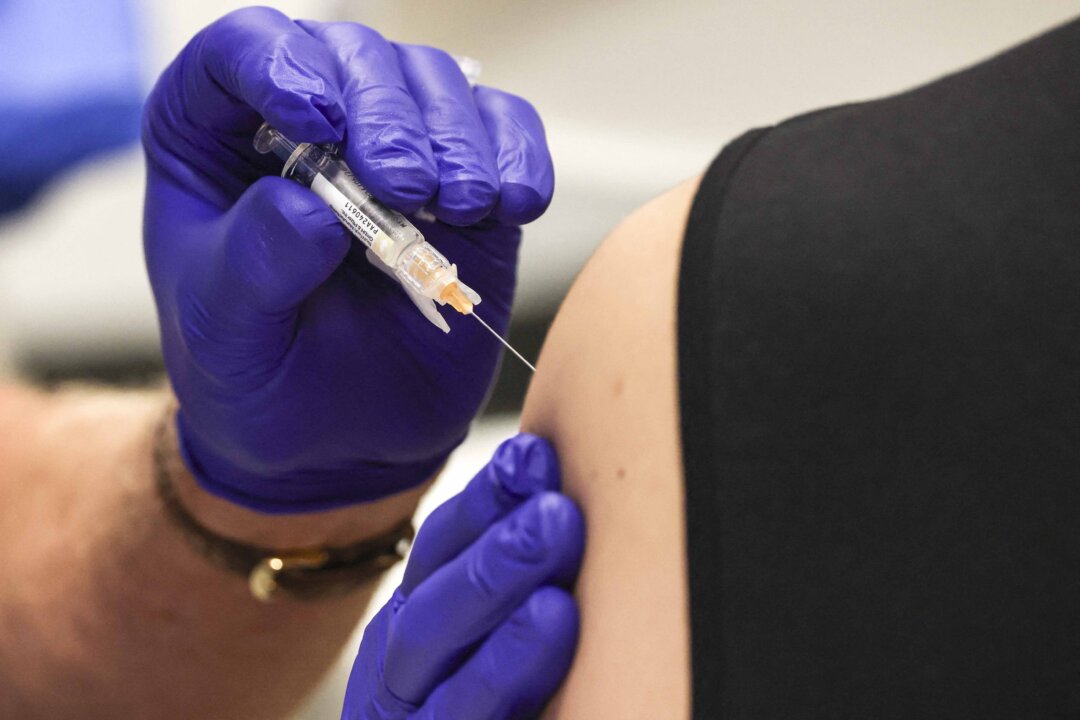


Vaccine Maker Halts Trial on mRNA Cancer Shot
A pharmacist administers the Pfizer-BioNTech vaccine in Los Angeles, Calif., on October...
