
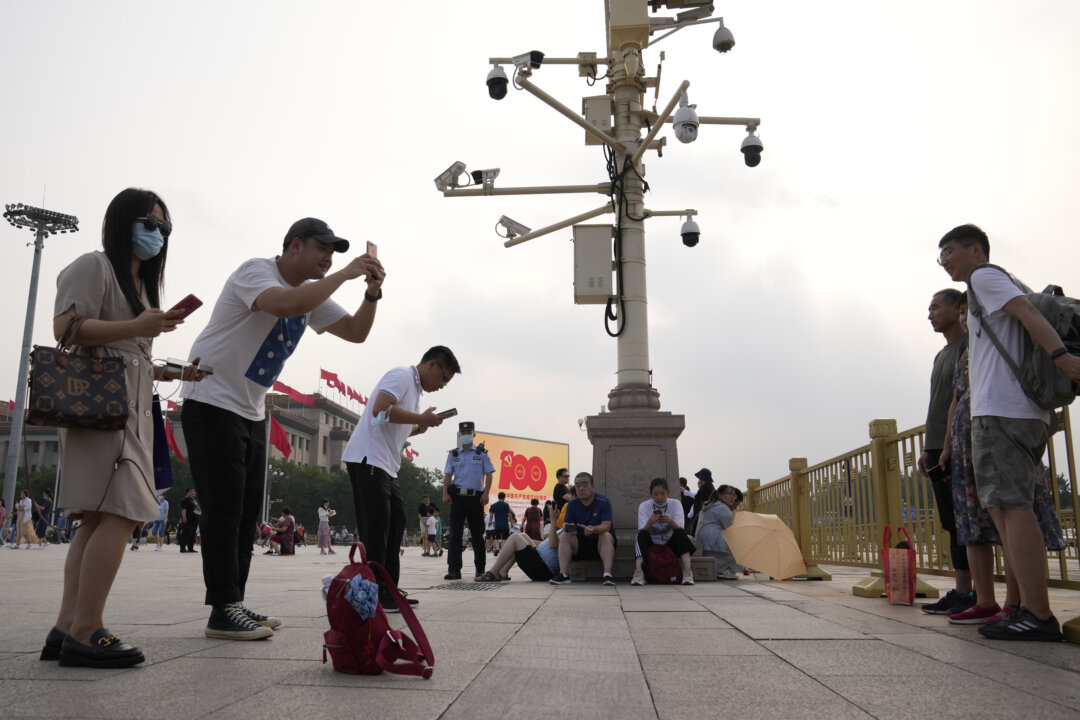
As China’s economic slowdown continues and reports of mass incidents increase across the country, the Chinese commusist regime has significantly expanded the scope of its so-called “stability maintenance” system—bringing finance, housing, labor disputes, online activity, and even neighborhood conflicts under tighter political supervision.Sources who spoke to The Epoch Times indicated that the widening framework reflects a shift in which everyday social and economic grievances are increasingly being reframed as political security risks. They spoke to the publication on condition of anonymity or only publishing their surnames out of fear of reprisal.In recent years, the Chinese Communist Party (CCP) has grouped broad areas under the “social stability” framework, including risks in finance and real estate, labor relations, cyberspace governance, grassroots community management, and dispute resolution mechanisms, according to a CCP insider.The insider told The Epoch Times that economic decline has intensified social pressure, with rising unemployment and unpaid wages contributing to violent incidents and collective protests.“Stability maintenance has become systematized,” he said. “The first step whenever something happens is to block information—that’s the main method now.”The CCP’s Central Political and Legal Affairs Commission held a national meeting on Jan. 18–19 in Beijing, according to Chinese state media outlet People’s Daily. The meeting called for “early intervention” and stronger risk prevention in areas such as finance, real estate, and labor relations.For many Chinese people, however, what are fundamentally economic disputes are increasingly treated as political risks.A rights activist in Hebei Province, surnamed Deng, told The Epoch Times that cases involving unpaid housing, frozen deposits, or financial fraud are often reclassified once collective action emerges.“When homebuyers can’t get their apartments, depositors can’t withdraw money, or investors are scammed, these should be resolved through law and regulation,” he said. “But once three or more people gather to defend their rights, it’s labeled a ‘mass incident.’ They block petitions and silence complaints online. Victims become the target of stability control.”Deng also described increasingly active neighborhood surveillance networks involving so-called “grid workers,” local community agents tasked with monitoring residents.“They create group chats for each building and for the whole community,” he said. “If someone complains, they’re immediately contacted. Now even street arguments are managed [by authorities], but missing children cases often go unaddressed.”Deng added that local officials are particularly sensitive to labor disputes involving factories, unpaid wages, and platform-based workers such as food delivery riders.“In many cases, instead of forcing employers to pay wages, police or community officials are sent to talk to the organizers,” he said. “You can seek your rights, but you cannot gather or post videos.”‘Clean Internet’ Campaigns, Information ControlA China studies researcher surnamed Shen told The Epoch Times that the expansion of stability maintenance now extends deeply into China’s already heavily censored social media platforms.“Without social media, people cannot communicate or share information, and collective action becomes much harder,” he said.Official policy documents show that the Central Political and Legal Affairs Commission has promoted a “clean internet” campaign targeting what it describes as online rumors, violence, paid commenters, and cyberattacks, while also tightening platform accountability.Shen said that the campaign is effectively about restricting information flows.“The so-called ‘clean internet’ is essentially about blocking channels of communication,” he said. “At the grassroots level, many mass incidents begin with small disputes. If they spread online, they escalate quickly.”He pointed to a recent case in Chongqing involving alleged animal abuse, where animal welfare advocates were detained after gathering at the scene, suggesting authorities were concerned about escalation.According to Shen, the expanding scope of “stability maintenance” now covers not only financial distress and labor disputes but also online expression and even domestic or neighborhood disagreements.“The trend shows that more and more social problems are being redefined by the CCP as political control targets,” Shen said.Sun Chen contributed to this report.









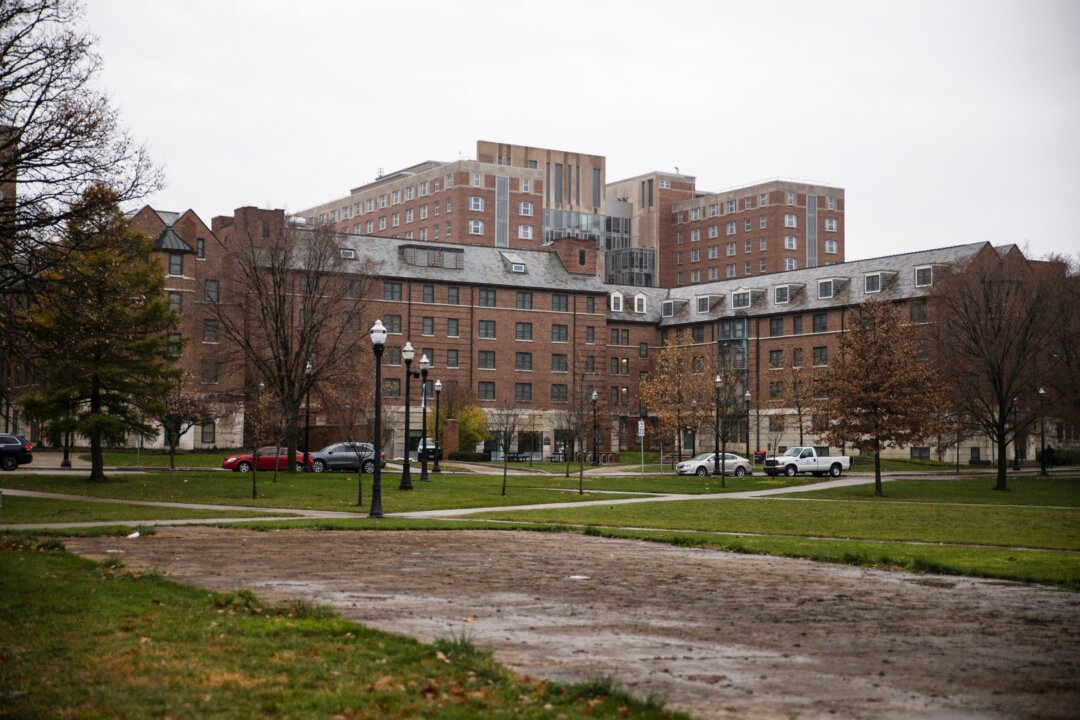
Ohio State Agrees to $2.1 Million Federal Settlement Over Undisclosed China Research Ties
Ohio State University has agreed to pay $2.1 million to resolve federal...
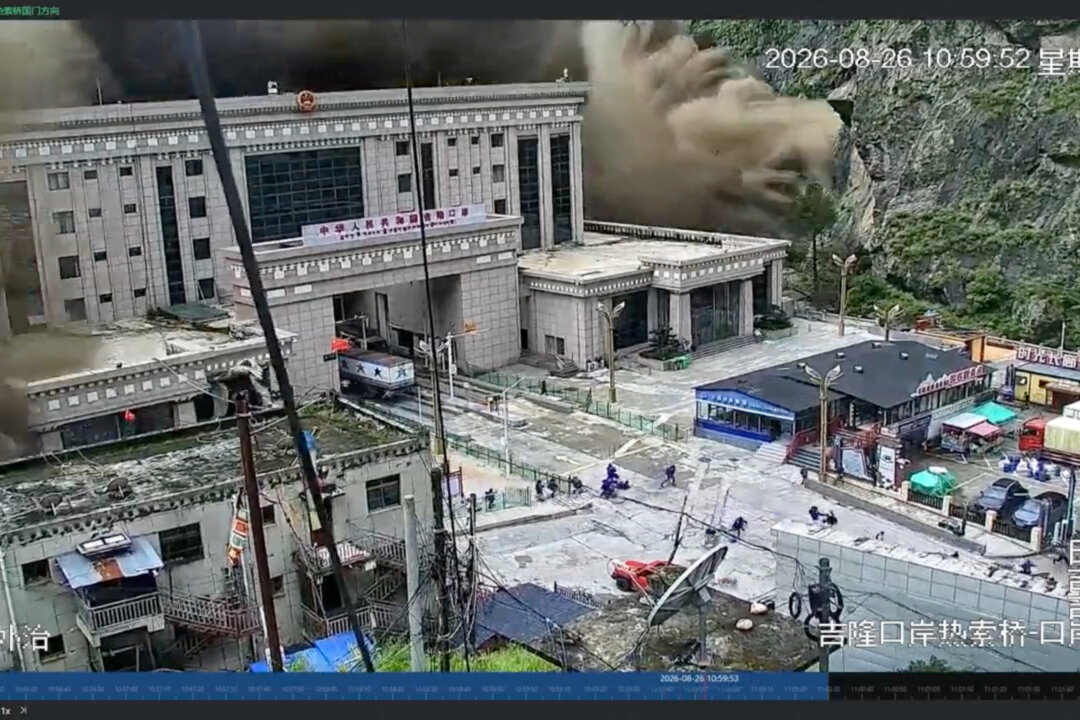
Chinese Scientists Flagged Glacial Flood Danger One Year Before Nepal Catastrophe
More than a year before the catastrophic flash flood devastated the China–Nepal...
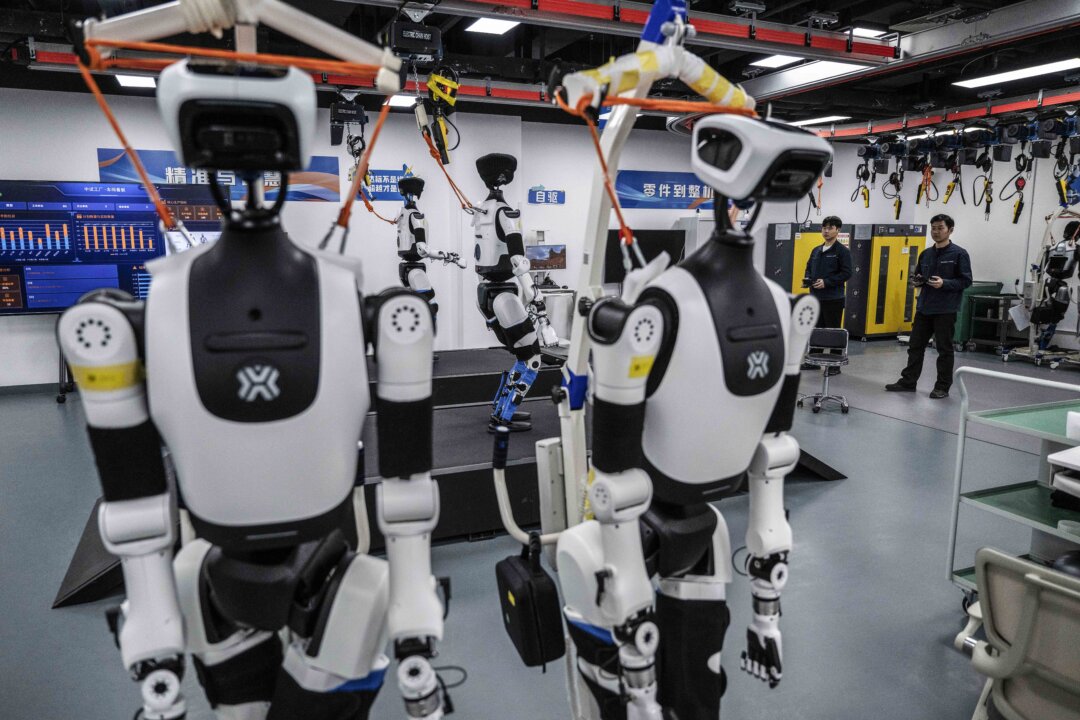
Chinas Humanoid Robot Companies Face Reality Check
China is showcasing humanoid robots as symbols of its technological ambitions. However,...
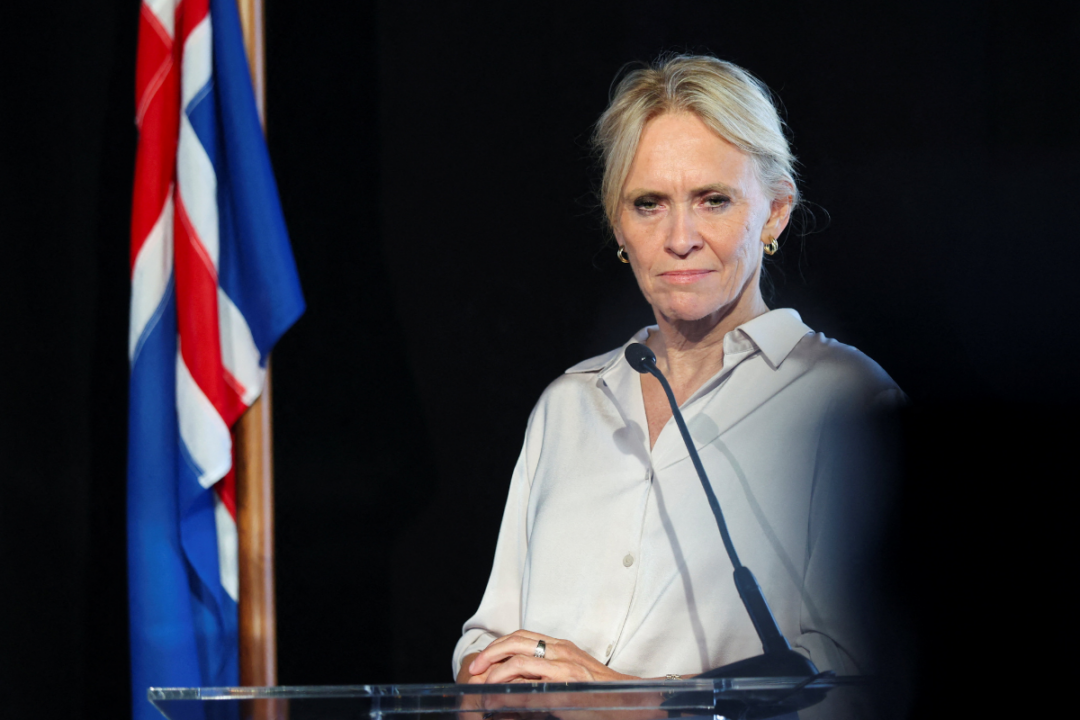


Iceland Focuses on Security Partnerships After Voters Reject Opening EU Membership Talks
Icelandic Minister for Foreign Affairs Thorgerdur Katrin Gunnarsdottir attends a press conference...
